

Pillows are often overlooked when it comes to home maintenance, but they play a crucial role in providing comfort and support during sleep. Over time, pillows can lose their shape, become less effective in promoting good posture, and even collect dust mites, allergens, and bacteria. Understanding when to replace different types of pillows can significantly improve your sleep quality and overall health. In this article, we’ll explore the various types of pillows, how often they should be replaced, and the pros and cons of each type. Additionally, we’ll address some frequently asked questions (FAQs) to help you make informed decisions about your pillow care.
Why Replacing Pillows Regularly is Important
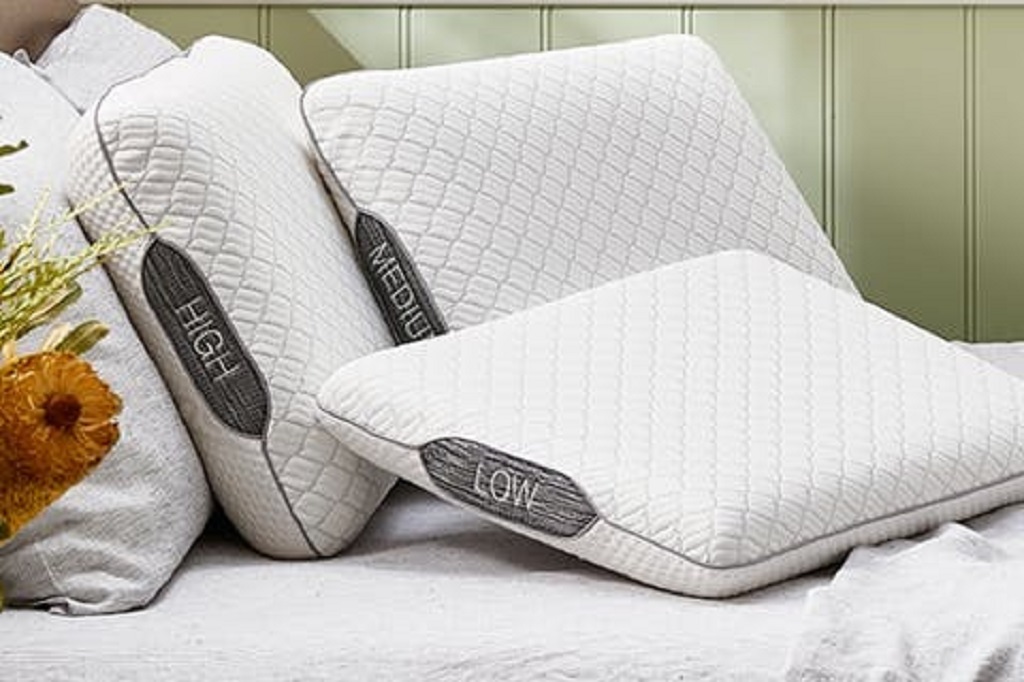
Before we dive into specific pillow types, let’s first discuss why it’s essential to replace your pillows regularly. The average person spends about one-third of their life sleeping, making the quality of sleep an important factor in overall health. A worn-out pillow can contribute to poor sleep posture, which can lead to neck, back, and shoulder pain. Additionally, pillows can accumulate dust mites, allergens, and bacteria over time, which may trigger allergies and respiratory issues. Replacing your pillow ensures you get the proper support, hygiene, and comfort for a better night’s rest.
1. Down Pillows: How Often to Replace and Pros & Cons
Down pillows are filled with the soft undercoating of ducks or geese, providing a plush, luxurious feel. They are known for their lightness, warmth, and breathability. However, they do require special care to maintain their loft and comfort.
How Often Should You Replace Down Pillows?
Typically, down pillows should be replaced every 1 to 2 years. Over time, the down filling can lose its loft, leading to a flatter and less supportive pillow. The filling may also shift within the pillow, creating lumps and uneven support. Additionally, down pillows are more prone to dust mites and allergens, which can accumulate in the down feathers.
Pros of Down Pillows
- Softness and comfort: Down pillows are known for their soft, luxurious feel that contours to your head and neck.
- Breathability: Down allows for air circulation, making these pillows ideal for hot sleepers.
- Durability: High-quality down pillows can last for many years with proper care.
Cons of Down Pillows
- Allergen risk: Down pillows may trigger allergies in some people, especially if they are not properly cleaned and maintained.
- Cost: Down pillows tend to be more expensive compared to synthetic options.
- Requires maintenance: Down pillows require regular fluffing and proper care to maintain their shape and loft.
2. Memory Foam Pillows: How Often to Replace and Pros & Cons
Memory foam pillows are designed to contour to your head and neck, providing personalized support. Made from viscoelastic foam, these pillows have become a popular choice for many people due to their ability to relieve pressure points and provide excellent support.
How Often Should You Replace Memory Foam Pillows?
Memory foam pillows typically last between 2 to 3 years. Over time, the foam may start to lose its ability to contour properly, leading to a decrease in support. Additionally, memory foam can trap heat, which may make the pillow less comfortable over time, especially for those who sleep hot. Signs of wear include flattened areas and loss of the pillow’s original shape.
Pros of Memory Foam Pillows
- Excellent support: Memory foam contours to the shape of your head and neck, offering exceptional support and alignment.
- Pressure relief: The material helps reduce pressure points, making it an excellent choice for people with neck or back pain.
- Durable: Memory foam is generally more durable than down, and it doesn’t lose its shape as quickly.
Cons of Memory Foam Pillows
- Heat retention: Some memory foam pillows can retain heat, making them uncomfortable for hot sleepers.
- Firmness: Memory foam can feel too firm for some people, especially those who prefer softer pillows.
- Chemical odor: New memory foam pillows can have a chemical smell, which may be off-putting to some users.
3. Latex Pillows: How Often to Replace and Pros & Cons
Latex pillows are made from either natural latex (derived from rubber trees) or synthetic latex. Known for their firmness and durability, latex pillows provide excellent support and are resistant to dust mites and allergens.
How Often Should You Replace Latex Pillows?
Latex pillows have a longer lifespan than many other types, typically lasting between 3 to 4 years. High-quality latex pillows maintain their shape and support for a long time. However, like other pillows, they can still show signs of wear, such as flattening or loss of firmness, over time.
Pros of Latex Pillows
- Durability: Latex pillows are highly durable and can last longer than many other pillow types.
- Firm support: Latex provides firm support, which is beneficial for individuals who prefer a solid surface for their neck and head.
- Hypoallergenic: Natural latex is resistant to dust mites, mold, and bacteria, making it an excellent choice for people with allergies.
Cons of Latex Pillows
- Firmness: Some people find latex pillows too firm, especially if they prefer softer pillows.
- Cost: High-quality latex pillows can be quite expensive compared to other pillow options.
- Weight: Latex pillows tend to be heavier than other types, which may not be suitable for everyone.
4. Synthetic Fiber Pillows: How Often to Replace and Pros & Cons
Synthetic fiber pillows are filled with polyester or other man-made materials. These pillows are often more affordable than down or memory foam pillows and are a popular choice for budget-conscious consumers.
How Often Should You Replace Synthetic Fiber Pillows?
Synthetic fiber pillows generally need to be replaced every 1 to 2 years. They lose their shape and loft more quickly than other types of pillows, especially if they are used frequently. The synthetic fibers may become matted over time, reducing the pillow’s comfort and support.
Pros of Synthetic Fiber Pillows
- Affordable: Synthetic pillows are generally less expensive than natural fill options like down or latex.
- Hypoallergenic: These pillows are less likely to harbor allergens compared to down pillows.
- Easy to care for: Synthetic fiber pillows are typically machine washable, making them low-maintenance.
Cons of Synthetic Fiber Pillows
- Less durable: These pillows may lose their shape and support more quickly than natural fill pillows.
- May feel less comfortable: Some people find synthetic fiber pillows to be less plush or supportive than other materials.
- Heat retention: Synthetic materials can trap heat, which may be uncomfortable for some users.
5. Buckwheat Pillows: How Often to Replace and Pros & Cons
Buckwheat pillows are filled with the hulls of buckwheat seeds. These pillows are known for their firm support and ability to conform to the shape of the head and neck.
How Often Should You Replace Buckwheat Pillows?
Buckwheat pillows can last for several years, but they still require maintenance. The hulls may break down or compress over time, so it’s essential to replace the filling every 2 to 3 years. The outer cover may also need replacement if it becomes worn out.
Pros of Buckwheat Pillows
- Firm support: Buckwheat pillows provide excellent support for the neck and head, making them ideal for people with neck pain.
- Breathability: The hulls allow air to circulate, preventing heat buildup.
- Adjustable: You can adjust the filling to customize the firmness and loft of the pillow.
Cons of Buckwheat Pillows
- Noise: Buckwheat pillows can be noisy due to the movement of the hulls inside the pillow.
- Weight: These pillows are heavier than most other types.
- Not as plush: Buckwheat pillows are firmer and may not be suitable for people who prefer a softer, more plush pillow.
FAQs About Pillow Replacement
1. How can I tell if my pillow needs to be replaced?
Signs that your pillow needs replacing include visible lumps or flattened areas, discomfort while sleeping, or waking up with neck or back pain. Additionally, if your pillow has developed an odor or if you experience allergy symptoms, it may be time for a replacement.
2. Can I wash my pillow to extend its life?
Yes, washing your pillow can help extend its life, but it’s essential to follow the care instructions. Some pillows, like memory foam and latex, cannot be machine washed, while others, like synthetic fiber and down pillows, can be cleaned.
3. How do I maintain my pillow’s loft?
Regular fluffing and rotating your pillow can help maintain its shape and loft. For down pillows, consider putting them in the dryer on a low heat setting with a few clean tennis balls to help restore their loft.
4. Are expensive pillows worth it?
Expensive pillows can be worth the investment if they provide better support, durability, and comfort. However, the right pillow for you depends on your specific needs, such as sleeping position, comfort preference, and any allergies.
5. Can pillow protectors help extend the life of my pillow?
Yes, pillow protectors can help protect against dust mites, allergens, and stains, ultimately extending the lifespan of your pillow.
Conclusion
Replacing pillows regularly is an essential part of maintaining good sleep hygiene and overall health. By understanding the lifespan and care requirements of different pillow types, you can make an informed decision that enhances your sleep quality. Whether you prefer the softness of down, the support of memory foam, or the durability of latex, knowing when to replace your pillow will help ensure that you get the rest you need for a healthier, more restful night.