

If you’re a stomach sleeper, you know the struggle of waking up with a stiff neck or aching shoulders. The problem often lies with your pillow. Most pillows are designed for back or side sleepers, leaving stomach sleepers unsupported. A thin pillow can make all the difference by keeping your spine aligned and reducing strain.
I spent years battling discomfort until I discovered the power of a thin pillow. The change was immediate—no more morning pain, just restful sleep. This guide will help you understand why a thin pillow is essential for stomach sleepers and how to choose the right one for your needs.
Why Stomach Sleepers Need a Thin Pillow
Stomach sleeping is the least common sleep position, with only about 7% of people preferring it, according to the Sleep Foundation. However, it’s also the position most likely to cause spinal misalignment. When you sleep on your stomach, your head is turned to the side, which can strain your neck and spine. A thick pillow only worsens this issue by elevating your head too much.
A thin pillow for stomach sleepers helps maintain a neutral spine position, reducing pressure on your neck and shoulders. It also prevents your head from tilting too far forward or backward, which can lead to discomfort. Additionally, a thin pillow minimizes the risk of developing chronic pain over time.
For stomach sleepers, the goal is to keep the head as close to the mattress as possible. This alignment ensures that your spine stays straight, allowing your muscles to relax fully during sleep.
Key Features to Look for in a Thin Pillow
Material Matters
The material of your pillow affects its support, breathability, and durability. Memory foam is a popular choice for thin pillows because it contours to your head and neck, providing personalized support. However, it can retain heat, which may be uncomfortable for some sleepers.
Latex is another excellent option. It’s naturally breathable, hypoallergenic, and durable. Latex pillows also offer a slight bounce, which can help maintain proper alignment. If you prefer a softer feel, down or down-alternative pillows are lightweight and compress easily, making them ideal for stomach sleepers.
Cotton and polyester fills are budget-friendly but may not offer the same level of support as memory foam or latex. Consider your personal preferences and any allergies when choosing a material.
Loft and Firmness
Loft refers to the height of the pillow. For stomach sleepers, a low-loft pillow—typically under 3 inches—is ideal. This keeps your head close to the mattress, reducing strain on your neck and spine.
Firmness is equally important. A pillow that’s too firm can push your head upward, while one that’s too soft may not provide enough support. Medium-soft to soft pillows are usually best for stomach sleepers. If you’re unsure, look for pillows with adjustable loft, allowing you to customize the height to your liking.
Breathability and Cooling
Stomach sleepers often press their faces into the pillow, which can lead to overheating. To combat this, choose a pillow with good airflow. Materials like latex and gel-infused memory foam are excellent for temperature regulation.
Some pillows also feature cooling technologies, such as phase-change materials or breathable covers. These can help dissipate heat and keep you comfortable throughout the night. If you tend to sleep hot, prioritize breathability when selecting your pillow.
The Health Benefits of Using a Thin Pillow
Using the right pillow can significantly improve your sleep quality and overall health. For stomach sleepers, a thin pillow helps prevent neck and shoulder pain by maintaining proper spinal alignment. According to a study published in The Journal of Physical Therapy Science, poor sleeping posture can contribute to chronic pain and discomfort. A thin pillow reduces the risk of these issues by keeping your head and neck in a neutral position.
Additionally, a thin pillow can reduce the likelihood of developing tension headaches. When your neck is strained during sleep, it can lead to morning headaches. By keeping your spine aligned, a thin pillow helps you wake up feeling refreshed and pain-free.
Another benefit is improved breathing. Stomach sleeping can sometimes restrict airflow, especially if your head is elevated too high. A thin pillow keeps your airways open, promoting better breathing and reducing the risk of snoring.
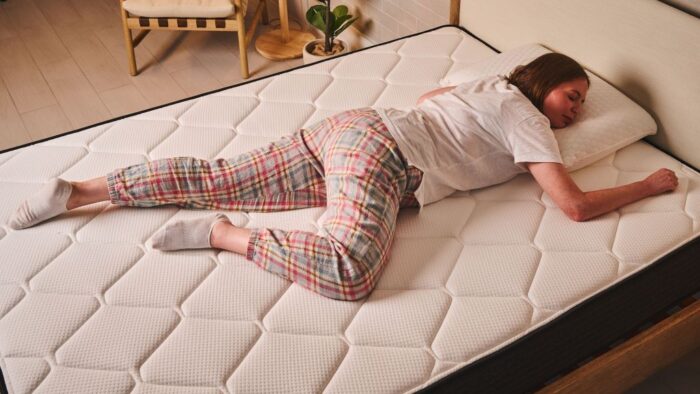
How to Test a Thin Pillow Before Buying
Testing a pillow before purchasing is crucial, especially for stomach sleepers. Start by lying down on your stomach in your usual sleeping position. The pillow should keep your head and neck in a straight line with your spine. If your head tilts upward or downward, the pillow is either too thick or too thin.
Pay attention to how the pillow feels against your face. It should be soft enough to be comfortable but supportive enough to prevent sinking. If you’re shopping online, look for brands that offer a sleep trial. This allows you to test the pillow at home and return it if it doesn’t meet your needs.
Additionally, check the pillow’s edge support. A good thin pillow should maintain its shape even at the edges, ensuring consistent support throughout the night.
Common Mistakes to Avoid When Choosing a Thin Pillow
One of the biggest mistakes stomach sleepers make is choosing a pillow that’s too thick. Even if a pillow is labeled as “thin,” it may still be too high for your needs. Always check the loft measurements before purchasing.
Another mistake is ignoring the material. Some materials, like memory foam, can retain heat, which may be uncomfortable if you sleep hot. If temperature regulation is a concern, opt for breathable materials like latex or cooling gel-infused foam.
Lastly, don’t overlook the return policy. Even the best pillows may not suit everyone, so a trial period is essential. If the pillow doesn’t improve your sleep, you should be able to return it without hassle.
Personal Experience: My Journey to Comfortable Stomach Sleeping
For years, I struggled with neck pain and poor sleep as a stomach sleeper. I tried countless pillows, but none seemed to work—until I switched to a thin, memory foam pillow. The difference was night and day. My neck pain disappeared, and I finally started waking up feeling rested.
What surprised me the most was how much better I breathed. With my old pillow, I often woke up with a stuffy nose. The thin pillow kept my airways open, allowing me to breathe easily all night. I also loved how cool it stayed, thanks to its breathable cover.
If you’re a stomach sleeper, I highly recommend trying a thin pillow. It’s a small change that can make a big difference in your sleep quality and overall comfort.
Conclusion
Choosing the right thin pillow can transform your sleep as a stomach sleeper. By focusing on material, loft, and breathability, you can find a pillow that supports your spine and keeps you comfortable all night. Remember, the best pillow is one that aligns with your body and sleeping habits.
If you’ve found a thin pillow that works for you, share your experience in the comments below. Or, if you’re still searching, pass this guide along to someone who might benefit from better sleep. Here’s to restful nights and pain-free mornings!
FAQs
Why do stomach sleepers need a thin pillow?
Stomach sleepers need a thin pillow to keep their head and neck aligned with their spine, reducing strain and preventing pain.
What is the best material for a thin pillow?
Memory foam, latex, and down-alternative fills are all excellent choices, depending on your preferences for support, breathability, and softness.
How thick should a pillow be for stomach sleepers?
A pillow with a loft of under 3 inches is ideal for stomach sleepers to maintain proper spinal alignment.
Can a thin pillow help with neck pain?
Yes, a thin pillow can help reduce neck pain by keeping your head and neck in a neutral position, preventing strain.
Are thin pillows suitable for all sleeping positions?
Thin pillows are best for stomach sleepers. Back and side sleepers typically need thicker pillows for proper support.