

Pillows are a crucial part of our daily lives, offering comfort and support during sleep. Over time, however, they tend to collect dust, sweat, bacteria, and odors. These elements can lead to a less-than-fresh experience, potentially affecting your sleep quality. While washing pillows regularly is essential, sometimes a deeper clean is needed to refresh their scent and cleanliness. This is where a DIY pillow deodorizer using essential oils and baking soda can be a game-changer.
This natural deodorizing method is not only cost-effective but also non-toxic and easy to create. In this guide, we’ll explore how you can make your own pillow deodorizer, the benefits of using essential oils and baking soda, and the pros and cons of this DIY remedy. We’ll also address frequently asked questions to help you make the most out of your pillow deodorizing routine.
Understanding Pillow Odors
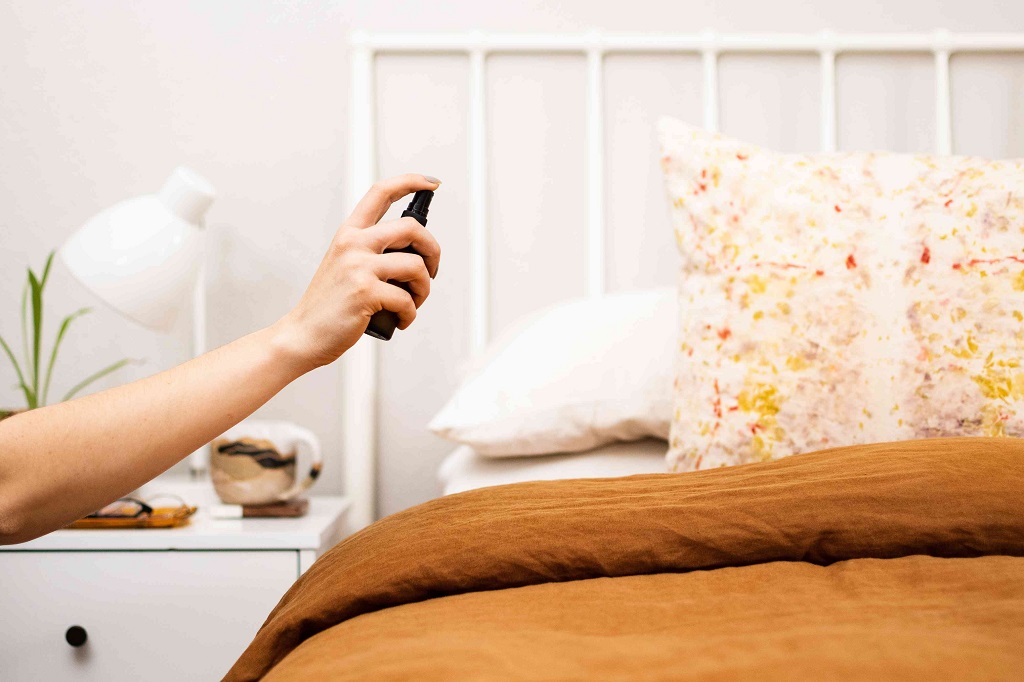
Before diving into the deodorizing process, it’s helpful to understand why pillows develop odors in the first place. Your pillow absorbs sweat, oils from your skin, saliva, dust mites, dead skin cells, and other bodily fluids throughout the night. The combination of these factors creates an ideal environment for bacteria to thrive, leading to unpleasant smells.
Traditional pillow cleaning methods such as washing can’t always remove all the bacteria or neutralize the odor completely. That’s why deodorizing your pillow is essential for a truly fresh, clean sleep environment.
Benefits of Using Essential Oils and Baking Soda
Both essential oils and baking soda are natural, effective ingredients that work together to deodorize and refresh your pillows. Let’s explore their benefits in detail:
1. Baking Soda: The Natural Deodorizer
Baking soda, or sodium bicarbonate, is renowned for its ability to absorb odors. Its chemical structure allows it to neutralize acidic and alkaline odors, making it effective at eliminating smells like body odor, sweat, and dust mites. Additionally, baking soda acts as a gentle abrasive, which can help lift dirt and grime from your pillow fabric without causing damage.
2. Essential Oils: A Scented Touch
Essential oils not only provide a pleasant fragrance, but many also have antimicrobial properties. For example:
- Lavender Oil: Known for its soothing and relaxing scent, lavender oil is often used to promote better sleep. It also has antibacterial and antifungal properties, helping to kill off any bacteria or fungi on your pillow.
- Tea Tree Oil: Tea tree oil is a potent antimicrobial agent that can kill bacteria, fungi, and viruses. It’s ideal for deodorizing and sanitizing pillows that may have absorbed moisture or sweat.
- Peppermint Oil: Peppermint oil has a refreshing, invigorating scent and is also known for its antifungal and antibacterial properties. Its cooling effect can provide added comfort.
- Lemon Oil: The fresh, clean scent of lemon oil can eliminate odors while also acting as a natural disinfectant.
By combining essential oils with baking soda, you get the dual benefits of odor absorption and pleasant, natural fragrance.
How to Make a DIY Pillow Deodorizer Using Essential Oils and Baking Soda
Making your own pillow deodorizer at home is simple and inexpensive. Follow this step-by-step guide to create your own natural deodorizing solution:
Materials Needed:
- Baking soda (1 cup)
- Essential oils (10–20 drops, depending on preferred strength)
- A small glass jar or container with a lid
- A mesh strainer or sifter (optional)
- A small bowl or dish for mixing
Instructions:
- Prepare the Base: Begin by pouring 1 cup of baking soda into a small bowl. Baking soda acts as the main ingredient for neutralizing odors and refreshing your pillows.
- Add Essential Oils: Choose your preferred essential oil (or blend of oils). Add 10–20 drops of essential oil into the baking soda. For a more aromatic experience, you can experiment with different combinations of oils, such as lavender and lemon or peppermint and tea tree oil.
- Mix Thoroughly: Use a spoon or whisk to mix the baking soda and essential oils together. Ensure the oils are evenly distributed throughout the powder. If you prefer a finer mixture, you can sift the powder through a mesh strainer for a smooth, fluffy texture.
- Store in a Container: Once mixed, transfer the deodorizing powder into a small glass jar or container with a lid. A mason jar or an airtight container works well. Store it in a cool, dry place.
- Application: To use the deodorizer, sprinkle a small amount of the powder onto your pillow or pillowcase. Be sure to distribute it evenly. Let it sit for about 15 to 30 minutes to allow the baking soda to absorb any odors.
- Remove the Powder: After allowing the deodorizer to sit, use a vacuum cleaner with an upholstery attachment or a handheld brush to remove the baking soda from the pillow. If using a vacuum, gently run the nozzle over the pillow’s surface to ensure the powder is fully removed.
- Enjoy Fresh Pillows: Your pillow will now be deodorized and infused with the pleasant aroma of essential oils, providing a fresh and comfortable sleep environment.
Pros and Cons of Using DIY Pillow Deodorizer
Pros:
- Natural and Non-Toxic: Unlike commercial air fresheners and deodorizing sprays, which may contain harmful chemicals, this DIY method uses only natural ingredients. Both baking soda and essential oils are safe and non-toxic, making them ideal for households with children and pets.
- Cost-Effective: Essential oils and baking soda are inexpensive and widely available. With just a small amount of each ingredient, you can create several batches of pillow deodorizer for a fraction of the cost of store-bought alternatives.
- Customizable Scents: One of the best things about making your own deodorizer is the ability to customize the scent. You can experiment with various combinations of essential oils to create a fragrance that suits your preferences.
- Effective at Odor Neutralization: Baking soda is a proven odor neutralizer, and when combined with the antimicrobial properties of essential oils, it effectively eliminates unwanted smells from your pillows.
- Easy to Make: The process of making a DIY pillow deodorizer is simple and doesn’t require specialized equipment or a lot of time. It’s a fun and easy project that anyone can do.
Cons:
- Not a Substitute for Washing: While this deodorizing method is excellent for freshening up your pillows, it’s not a substitute for regular washing. Pillows should be washed and dried periodically to remove bacteria, oils, and dirt that may accumulate over time.
- May Not Remove Deep Stains: Baking soda and essential oils will help eliminate odors, but they may not remove deeply ingrained stains or dirt. For these issues, a more thorough cleaning may be necessary.
- Potential Allergies to Essential Oils: Some people may be sensitive or allergic to certain essential oils. It’s important to perform a patch test on your skin before using a particular oil to ensure no adverse reactions occur. If you have allergies, you may need to choose hypoallergenic oils.
- Requires Additional Time: The deodorizing process, though easy, does take time. You need to allow the powder to sit on the pillow for 15-30 minutes, which may not always be convenient if you’re in a rush.
Frequently Asked Questions (FAQs)
1. How often should I deodorize my pillow?
It’s a good idea to deodorize your pillow every 2–4 weeks, depending on usage. If you notice any lingering smells or if your pillow is particularly dirty, you can deodorize it more frequently.
2. Can I use this method on all types of pillows?
Yes, this method is generally safe for most types of pillows, including memory foam, down, and synthetic pillows. However, be sure to check the care label on your pillow before applying any powder, as some pillows may have specific cleaning instructions.
3. Is it safe to use essential oils on my pillow if I have pets?
Yes, as long as the essential oils are used in moderation and the pillow is well aired out after application. Some essential oils can be toxic to pets if ingested or if they come into contact with their skin in large amounts, so be sure to use pet-safe oils and allow the pillow to dry completely before your pet comes into contact with it.
4. Can I add other ingredients to the deodorizer?
Yes, you can experiment with other ingredients such as dried herbs (e.g., lavender buds), activated charcoal, or even a little bit of cornstarch to help absorb moisture. However, be careful not to add too many ingredients, as it may alter the deodorizing effect.
5. Will this method work for other household items?
Absolutely! This DIY deodorizing powder can be used on other fabric items such as mattresses, couches, rugs, and pet beds. Just be sure to vacuum up the powder thoroughly afterward.
Conclusion
A DIY pillow deodorizer made with essential oils and baking soda is a simple, effective, and natural way to freshen up your pillows and ensure a cleaner, more comfortable sleep environment. It’s an affordable solution that not only neutralizes odors but also adds a pleasant, soothing scent to your bedding. By incorporating this method into your regular cleaning routine, you can enjoy the benefits of cleaner, fresher pillows without the need for harmful chemicals or expensive commercial products.