
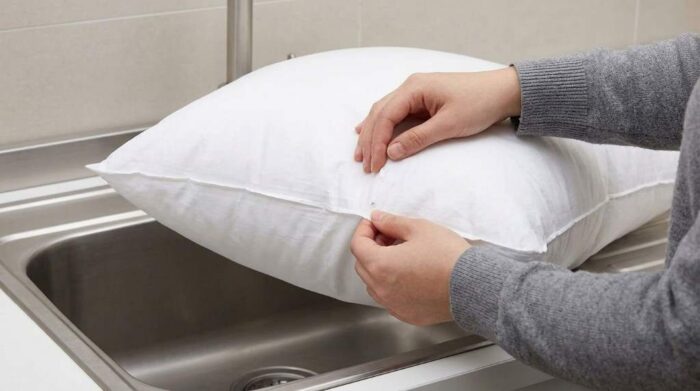
Yes, you can wash a Basic Home goose feather pillow insert safely when its care label permits machine washing. Use cold water, a gentle cycle, mild detergent, and thorough drying to protect the feathers. The basic home goose feather pillow insert typically features a 100% cotton cover and roughly 4-inch thickness. Those details make proper cleaning important for preserving loft, softness, and shape. Basic Home care information recommends cold machine washing and complete tumble drying.
Key Takeaways
- Check the sewn-in care label before washing the insert.
- Wash with cold water and a gentle machine cycle.
- Use a small amount of mild, low-residue detergent.
- Balance the washer before starting the cleaning cycle.
- Never store or use the insert while damp inside.
- Tumble dry thoroughly and restore loft between cycles.
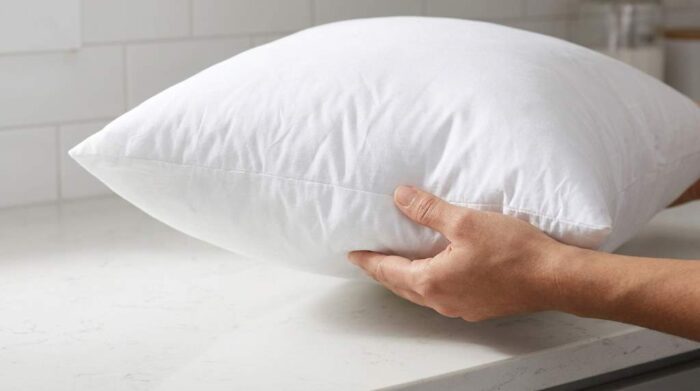
Why Proper Washing Matters for Feather Inserts
Goose feathers behave differently from synthetic pillow filling during washing and drying. Water can temporarily compress the fill and create dense clumps. Therefore, careless cleaning can leave the insert uneven, flat, or musty.
Basic Home inserts combine goose feather and down with a cotton cover. Their downproof construction helps contain the filling during normal use.
However, washing places more stress on seams and filling distribution than everyday use. A controlled cleaning process therefore protects both the shell and internal loft. The goal involves removing dirt without leaving moisture trapped around the feathers.
Check the Pillow Before Putting It in the Washer
Read the Care Label First
Start by checking the care instructions attached directly to your specific insert. Basic Home listings commonly specify cold machine washing and thorough tumble drying.
Do not assume every feather pillow follows identical instructions. Manufacturers can change construction, stitching, fabric, and recommended cleaning methods between products.
Inspect Seams and the Cover
Examine every seam for loose stitching, tears, or openings before washing. Small openings can release feathers during agitation and create a difficult cleanup.
Also check the insert for stains, unusual odors, or damp areas. Treat localized problems first when the entire insert does not require washing.
What You Need for Safe Cleaning
Gather your supplies before starting the washing process. Preparation reduces handling time and prevents rushed drying decisions later.
- A front-loading or sufficiently large washing machine
- Mild liquid laundry detergent
- Clean dryer balls or similar drying aids
- A clean, dry surface for inspection
- A pillow protector for future maintenance
Avoid bleach, fabric softener, and aggressive stain chemicals unless the care label specifically permits them. Strong additives can affect natural filling and leave unwanted residue inside the fabric.
How to Wash the Basic Home Goose Feather Pillow Insert
Step 1: Remove the Decorative Cover
Take off the removable decorative cover before washing the insert. Wash that cover separately according to its own fabric instructions.
Removing the outer cover exposes the insert to cleaner water movement. It also prevents dyes, zippers, or decorative materials from creating unnecessary friction.
Step 2: Check the Insert Again
Inspect the insert once more after removing its cover. Look closely around corners, seams, piping, and zipper areas for damage.
Repair significant openings before washing whenever possible. Otherwise, feathers may escape and complicate the entire cleaning process.
Step 3: Balance the Washing Machine
Place the feather insert into a spacious washer without tightly packing the drum. Add another similar pillow when appropriate to improve balance.
A balanced load helps reduce excessive vibration during the spin cycle. It also allows water and detergent to move more evenly through the insert.
Step 4: Select Cold Water and Gentle Settings
Choose cold water and the gentlest suitable washing cycle. Basic Home product listings specifically identify machine washing with cold water.
Keep the spin setting moderate when your machine provides that option. Excessive mechanical force can stress seams and compress the feather filling unnecessarily.
Step 5: Add Mild Detergent
Use a modest amount of mild liquid detergent for the load. Too much detergent can remain inside the dense feather filling.
Liquid detergent also dissolves readily during a cold cycle. Avoid powders that may leave visible residue when the wash temperature remains low.
Step 6: Run an Additional Rinse
Consider an extra rinse if your machine offers that setting. The additional water movement helps remove detergent trapped around feathers.
After washing, inspect the insert before moving directly into drying. A clean insert should feel evenly saturated without obvious detergent slickness.
How to Dry a Goose Feather Pillow Insert Properly
Drying Matters More Than Washing
Thorough drying represents the most important part of feather pillow maintenance. Remaining moisture can encourage clumping, unpleasant odors, and mildew growth.
Some feather pillow manufacturers recommend professional cleaning because incomplete drying creates serious problems. Therefore, never rush the drying stage simply because the exterior feels dry.
Use a Low or Suitable Heat Setting
Place the washed insert into a dryer when its care instructions permit tumble drying. Use a low or manufacturer-approved heat setting throughout the process.
Basic Home listings specifically recommend thorough tumble drying after cold machine washing.
Add Dryer Balls
Add clean dryer balls to help break apart developing feather clumps. They also encourage the filling to redistribute during repeated tumbling.
Pause the dryer periodically and remove the insert for manual fluffing. Then return it to the dryer until the interior feels completely dry.
Check the Center Before Finishing
Do not judge dryness only by touching the outer shell. Press several areas around the center and corners to detect hidden moisture.
If any section feels cool, heavy, or slightly damp, continue drying. Feather filling must dry completely before you store or use the insert.
How to Restore Loft After Washing
Freshly washed feather filling can look flatter than expected immediately afterward. That temporary appearance does not necessarily indicate permanent damage.
Shake the insert firmly from several directions after drying. Then massage dense areas gently with your hands to redistribute the feathers.
Repeat short drying sessions when necessary instead of using excessive heat for a long period. This approach gives the filling time to separate while limiting unnecessary thermal exposure.
How to Remove Common Problems Without Rewashing
For Small Stains
Spot cleaning often makes more sense than washing the entire insert for minor marks. Apply mild soapy water to the fabric surface without soaking the filling.
Blot the affected area gently rather than scrubbing aggressively. Allow that section to dry completely before covering the insert again.
For Feather Odor
Natural feather products can sometimes develop an odor after prolonged moisture exposure. Complete drying usually represents the first solution.
Air the fully dry insert in a well-ventilated space before using it. Never mask persistent dampness with fragrance products.
For Flattened Filling
Flattened filling usually responds better to redistribution than repeated washing. Shake, knead, and tumble the insert gently until the feathers separate.
Give compressed areas additional attention during fluffing. Avoid pulling individual feathers through the shell because that can enlarge openings.
Common Washing Mistakes to Avoid
- Using hot water without label approval
- Overloading a small washing machine
- Adding excessive detergent
- Using bleach or harsh fabric treatments
- Leaving the insert damp overnight
- Stopping the dryer while the center remains moist
- Storing the insert inside an airtight container while damp
- Ignoring loose seams before washing
Each mistake creates a different risk for the shell or feather filling. Together, they can shorten the insert’s useful life and reduce its original loft.
When You Should Skip Home Washing
Do not machine wash an insert with damaged seams or significant fabric deterioration. Washing can turn a small opening into substantial feather loss.
Also reconsider home washing when the care label prohibits machine cleaning. Some natural feather products require professional cleaning because manufacturers prioritize controlled drying.
When professional cleaning becomes necessary, choose a cleaner experienced with down and feather bedding. Tell the cleaner about the insert’s natural filling before service begins.
How Often Should You Wash the Insert?
Do not wash a feather insert on an unnecessarily frequent schedule. Regular pillowcases and protective covers reduce direct exposure to skin oils, sweat, dust, and spills.
For general pillow maintenance, some guidance recommends cleaning the actual pillow approximately every four to six months. However, usage, household conditions, and manufacturer instructions should determine your schedule.
Wash sooner after significant spills, contamination, or persistent odors. Otherwise, focus on routine airing, fluffing, cover washing, and spot cleaning between deeper washes.
A Simple Maintenance Routine Between Washes
Keep the insert protected with a washable pillow cover whenever practical. Wash that protective layer regularly according to its care instructions.
Fluff the insert periodically to prevent prolonged compression. Also air it in a dry, ventilated room when it needs refreshing.
Finally, inspect seams during routine cover changes. Early repairs can prevent feather leakage and avoid unnecessary full washing.
Quick Care Checklist
| Care Stage | Recommended Action |
|---|---|
| Before washing | Check label, seams, stains, and cover |
| Water temperature | Use cold water unless the label states otherwise |
| Cycle | Select a gentle machine cycle |
| Detergent | Use a small amount of mild liquid detergent |
| Rinsing | Add an extra rinse when practical |
| Drying | Tumble dry thoroughly using approved heat |
| Fluffing | Shake and redistribute filling between drying sessions |
| Storage | Store only after the insert becomes completely dry |
Frequently Asked Questions
Can you machine wash a Basic Home goose feather pillow insert?
Yes, Basic Home listings specify cold machine washing for these goose feather and down inserts.
What detergent should you use on a feather pillow?
Use a small amount of mild liquid detergent that rinses clean without leaving heavy residue.
Can you put the insert in the dryer?
Yes, Basic Home care instructions recommend thorough tumble drying after machine washing.
How do you stop feather filling from clumping?
Use gentle washing, thorough drying, dryer balls, and repeated manual fluffing to separate the filling.
What happens if a feather pillow stays damp?
Trapped moisture can encourage clumping, unpleasant odors, and mildew, so complete drying remains essential.
Final Verdict
Washing a Basic Home goose feather pillow insert does not require complicated equipment or harsh cleaning products. The safest approach combines cold water, gentle agitation, mild detergent, balanced loading, and complete drying.
Most importantly, never rush the drying stage or ignore the manufacturer’s care label. Follow this process whenever your insert needs deeper cleaning, then protect it between washes with a washable cover.
Ready to refresh your insert? Check its care label first, gather the right supplies, and follow each cleaning step carefully from wash through final fluffing.