

Finding the best pillow for a 3-year-old can feel like navigating a minefield of options. You want to ensure your little one sleeps soundly and safely, but with so many choices, where do you start? This comprehensive guide will walk you through everything you need to know, from safety considerations to material choices, helping you make an informed decision for your child’s comfort and well-being.
Why a Proper Pillow Matters for Your Toddler
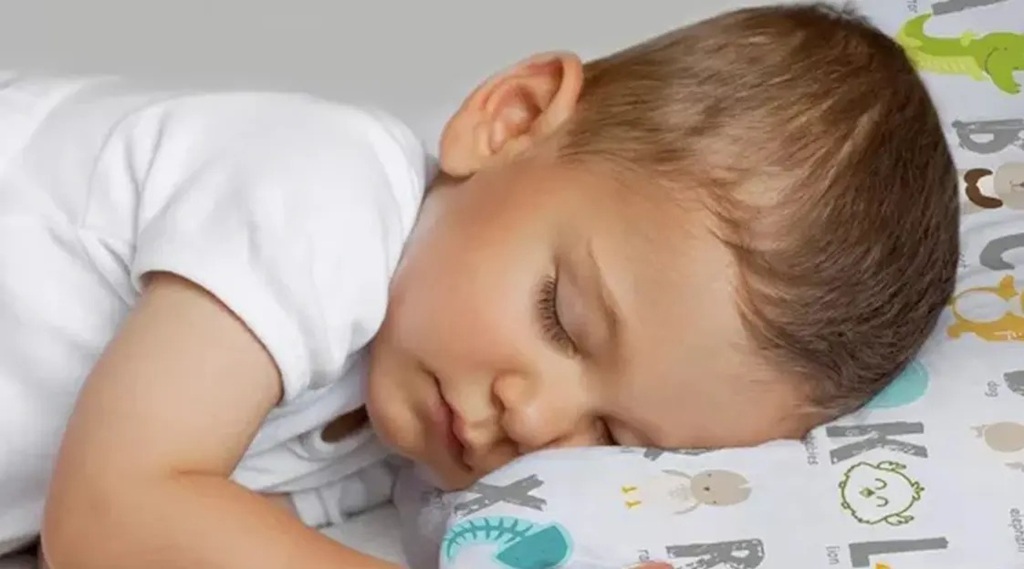
While some children transition to a pillow earlier, around age three, many are ready to make the switch. A good pillow can support proper spinal alignment, prevent neck pain, and contribute to a more restful night’s sleep. It’s not just about comfort; it’s about promoting healthy development.
Key Factors to Consider When Selecting a Toddler Pillow
When searching for the best pillow for 3-year-old children, several crucial factors must be considered. These elements play a significant role in ensuring your child’s safety and comfort.
-
Safety First: Prioritizing Your Child’s Well-Being
Safety is paramount when choosing a pillow for your toddler. Here’s what to keep in mind:
- Firmness: Avoid pillows that are too soft, as they can pose a suffocation risk. A firm, yet comfortable pillow is ideal.
- Hypoallergenic Materials: Toddlers are prone to allergies, so opt for hypoallergenic materials to minimize the risk of reactions. Look for pillows labeled as dust mite resistant.
- Breathability: Ensure the pillow allows for proper airflow to prevent overheating and discomfort. Natural fibers like cotton or bamboo are excellent choices.
- Certifications: Look for certifications like OEKO-TEX® Standard 100, which guarantees the pillow is free from harmful substances.
-
Size and Loft: Finding the Perfect Fit
The size and loft (thickness) of the pillow are critical for proper support.
- Size: A smaller, toddler-sized pillow is best. Avoid standard or queen-sized pillows, as they can be too large and bulky.
- Loft: A low-loft pillow is recommended for toddlers. A loft of 2-3 inches is usually sufficient to provide adequate support without elevating the head too much.
- Neck Alignment: The goal is to maintain neutral spinal alignment. The pillow should support the head and neck without causing them to tilt forward or backward.
-
Material Matters: Choosing the Right Fill and Cover
The materials used in the pillow’s fill and cover significantly impact comfort and safety.
Pillow Fill Options:
- Organic Cotton: A natural, hypoallergenic, and breathable option. It’s gentle on sensitive skin and provides good support.
- Bamboo: Another excellent natural option. Bamboo is naturally hypoallergenic, moisture-wicking, and breathable.
- Polyester Fiberfill: A common and affordable option. Ensure it’s hypoallergenic and free from harmful chemicals.
- Latex: Natural latex is hypoallergenic and provides excellent support. However, ensure your child doesn’t have a latex allergy.
- Buckwheat Hulls: While less common for toddlers, buckwheat pillows offer firm support and breathability. Ensure the hulls are finely milled and the pillow is properly constructed.
Pillow Cover Options:
- Organic Cotton: Soft, breathable, and gentle on the skin.
- Bamboo: Naturally moisture-wicking and hypoallergenic.
- Tencel: A sustainable and soft material that is also hypoallergenic.
-
Durability and Washability: Practical Considerations
Toddlers can be messy, so durability and washability are essential.
- Machine Washable: Opt for a pillow that is machine washable for easy cleaning. Check the care label for specific instructions.
- Durable Construction: Look for reinforced seams and high-quality materials to ensure the pillow withstands frequent washing and use.
- Pillow Protectors: Consider using a waterproof and hypoallergenic pillow protector to extend the pillow’s lifespan and provide extra protection.
-
Assessing Your Child’s Sleeping Habits
Understanding your child’s sleeping habits can help you choose the right pillow.
- Sleeping Position: Side sleepers may need a slightly higher loft than back sleepers. Stomach sleepers should generally avoid pillows or use a very thin one.
- Temperature Preferences: If your child tends to overheat, choose breathable materials like cotton or bamboo.
- Allergies or Sensitivities: If your child has allergies or sensitive skin, prioritize hypoallergenic and natural materials.
Comparing Popular Pillow Types for Toddlers
To help you make an informed decision, here’s a quick comparison of popular pillow types:
| Pillow Type | Pros | Cons |
| Organic Cotton | Natural, hypoallergenic, breathable | Can be pricier |
| Bamboo | Hypoallergenic, moisture-wicking, breathable | May be less widely available |
| Polyester Fiberfill | Affordable, widely available | May not be as breathable as natural fibers |
| Latex | Excellent support, hypoallergenic | Can be expensive, potential latex allergy |
Tips for Introducing a Pillow to Your Toddler
Introducing a pillow can be a gradual process.
- Start Slowly: Introduce the pillow during naptime or playtime to allow your child to get used to it.
- Make it Fun: Choose a pillow with a fun design or character to make it more appealing.
- Observe Your Child: Pay attention to how your child sleeps with the pillow. Adjust the loft or material if needed.
Maintaining Your Toddler’s Pillow
Proper maintenance is crucial for keeping your child’s pillow clean and safe.
- Wash Regularly: Follow the care label for washing instructions.
- Use a Pillow Protector: Protect the pillow from spills and stains.
- Air it Out: Regularly air out the pillow to prevent dust mites and odors.
- Replace as Needed: Replace the pillow if it becomes lumpy, flat, or shows signs of wear and tear.
Read More Also: The Best Pillow for Acne: Sleep Without Breakouts
Finding the Right Balance for Restful Nights
Choosing the best pillow for 3-year-old children involves careful consideration of safety, comfort, and practicality. By understanding your child’s needs and preferences, you can select a pillow that promotes healthy sleep and development.
Call to Action:
Ready to give your little one the gift of comfortable sleep? Explore our recommended toddler pillows and find the perfect fit for your child. Don’t hesitate to reach out if you have any questions. Invest in their restful nights, and they will reward you with happier, healthier days.