

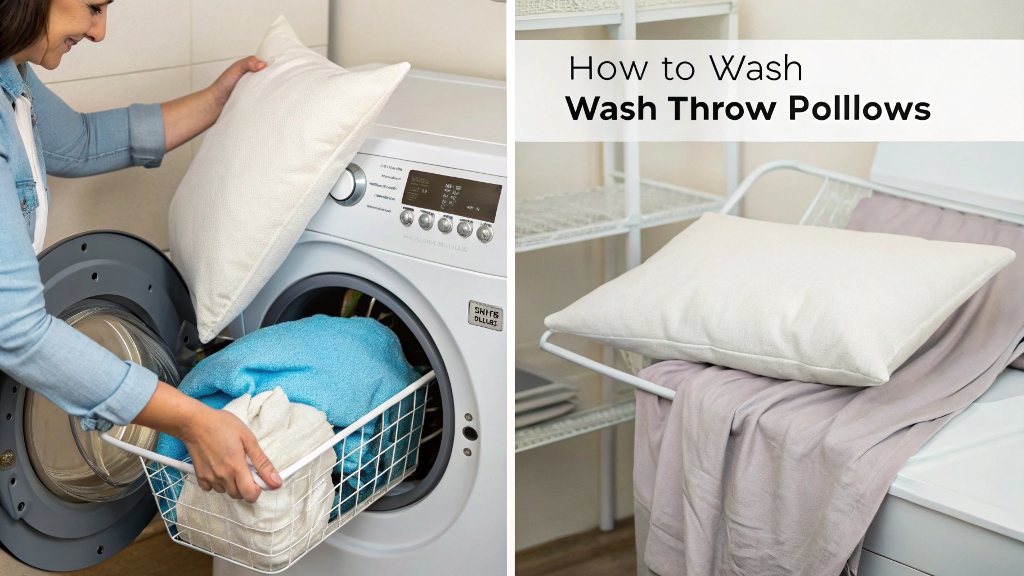
wash throw pillows are a staple in home décor, adding comfort, style, and personality to living spaces. However, their maintenance particularly washing—requires careful consideration to preserve their appearance, functionality, and longevity. The current best practices for washing them, key concepts, benefits, challenges, and emerging trends. Whether you’re a homeowner, interior designer, or cleaning enthusiast, this guide provides actionable insights and advanced techniques to ensure your throw pillows remain pristine.
History of Throw Pillows
Origins and Evolution
Throw pillows, also known as decorative or accent pillows, have a rich history dating back centuries:
-
Ancient Civilizations: Pillows were used in ancient Egypt and Mesopotamia, often made of stone or wood for head support. Soft fabric pillows emerged later in wealthier households.
-
Medieval Europe: By the Middle Ages, pillows became more decorative, with embroidered fabrics signifying status. They were often filled with feathers or straw.
-
Industrial Revolution: The 19th century saw mass production of textiles, making throw pillows more accessible. Cotton, wool, and synthetic fillings became common.
-
Modern Era: Today, throw pillows are ubiquitous, available in countless materials, shapes, and designs, with washing considerations becoming a key aspect of their care.
Cultural Significance
-
In many cultures, pillows symbolize comfort and hospitality.
-
Decorative pillows in Asian and Middle Eastern traditions often feature intricate patterns, requiring specialized cleaning to preserve craftsmanship.
-
The rise of fast fashion in home décor has led to affordable, machine-washable pillows, shifting cleaning practices.
Current State of Throw Pillow Care
Materials and Construction
Throw pillows vary widely in materials, affecting washing methods:
-
Cover Fabrics:
-
Cotton: Durable, often machine-washable.
-
Silk/Velvet: Delicate, requiring hand-washing or dry cleaning.
-
Synthetic Blends: Common in budget pillows, typically machine-washable.
-
Outdoor Fabrics: UV- and water-resistant, designed for easy cleaning.
-
-
Fillings:
-
Polyester Fiberfill: Common, retains shape, washable.
-
Down/Feather: Luxurious but prone to clumping if improperly washed.
-
Foam: Found in structured pillows, often not washable; spot-clean only.
-
-
Construction Types:
-
Removable Covers: Zippered or envelope-style, easier to wash.
-
Non-Removable Covers: Require whole-pillow washing or spot-cleaning.
-
Common Cleaning Practices
Most households clean throw pillows infrequently, leading to dust, allergen, and stain buildup. Modern cleaning methods include:
-
Machine washing for durable covers and fillings.
-
Hand-washing for delicate fabrics.
-
Dry cleaning for specialty materials.
-
Spot-cleaning for quick maintenance.
Key Concepts for Washing Throw Pillows
Understanding Care Labels
Care labels are the first step in determining washing methods:
-
Symbols to Know:
-
Machine Wash: Indicates water temperature (e.g., cold, warm).
-
Hand Wash: Suggests gentle cleaning with mild detergent.
-
Dry Clean Only: Common for silk or embellished pillows.
-
Do Not Wash: Requires spot-cleaning or professional care.
-
-
No Label? Test a small, hidden area with water and detergent to check for colorfastness or fabric damage.
Tools and Supplies
Effective cleaning requires the right tools:
-
Detergents:
-
Mild liquid detergent for general washing.
-
Enzyme-based cleaners for stains like food or pet messes.
-
Wool-safe detergent for down or feather pillows.
-
-
Equipment:
-
Front-loading washing machine (gentler than top-loaders).
-
Soft-bristled brush for spot-cleaning.
-
Vacuum with upholstery attachment for dust removal.
-
-
Protective Gear:
-
Pillow protectors to prevent future stains.
-
Mesh laundry bags for machine washing delicate covers.
-
Washing Techniques
Different techniques suit different pillow types:
-
Machine Washing:
-
Use cold water and a gentle cycle.
-
Wash two pillows at a time to balance the load.
-
Add a small amount of detergent to avoid residue.
-
-
Hand-Washing:
-
Fill a basin with lukewarm water and mild detergent.
-
Submerge and gently agitate the cover or pillow.
-
Rinse thoroughly to remove all soap.
-
-
Spot-Cleaning:
-
Dab stains with a damp cloth and mild detergent.
-
Avoid soaking to prevent filling damage.
-
Blot, don’t rub, to preserve fabric texture.
-
-
Dry Cleaning:
-
Best for delicate fabrics or intricate designs.
-
Choose a reputable cleaner familiar with home decor items.
-
Drying Methods
Proper drying prevents mold, clumping, and fabric damage:
-
Machine Drying:
-
Use low heat or air-dry settings.
-
Add tennis balls or dryer balls to fluff fillings.
-
-
Air Drying:
-
Place pillows in a well-ventilated area, preferably in sunlight for natural sanitizing.
-
Fluff periodically to maintain shape.
-
-
Special Considerations:
-
Down pillows require longer drying to prevent feather clumping.
-
Foam pillows should never be machine-dried; air-dry only.
-
Benefits of Properly Washing Throw Pillows
Health and Hygiene
Regular cleaning improves indoor air quality and health:
-
Allergen Reduction:
-
Removes dust mites, pet dander, and pollen.
-
Especially beneficial for allergy sufferers.
-
-
Bacteria and Odor Control:
-
Eliminates sweat, oils, and food residues.
-
Prevents musty smells in humid climates.
-
Aesthetic Preservation
-
Maintains vibrant colors and fabric texture.
-
Prevents stains from setting, extending pillow lifespan.
-
Keeps embellishments like embroidery intact.
Cost Savings
-
Proper care reduces the need for frequent replacements.
-
Cleaning at home is more affordable than professional services.
Challenges of Washing Throw Pillows
Fabric and Filling Damage
-
Common Issues:
-
Color bleeding in non-colorfast fabrics.
-
Shrinkage in cotton or wool covers.
-
Clumping in down or feather fillings.
-
-
Solutions:
-
Test for colorfastness before washing.
-
Use cold water and gentle cycles.
-
Dry thoroughly to prevent mold.
-
Time and Effort
-
Hand-washing and air-drying are labor-intensive.
-
Spot-cleaning requires patience to avoid spreading stains.
-
Professional cleaning can be costly and inconvenient.
Environmental Concerns
-
Washing consumes water and energy.
-
Synthetic fillings and fabrics may release microplastics.
-
Eco-Friendly Tips:
-
Use eco-friendly detergents.
-
Wash full loads to maximize efficiency.
-
Opt for air-drying to reduce energy use.
-
Comparison of Washing Methods
|
Method |
Best For |
Pros |
Cons |
Cost |
|---|---|---|---|---|
|
Machine Washing |
Cotton, synthetic covers/fillings |
Fast, convenient, effective for durable items |
Risk of damage to delicate fabrics |
Low (detergent) |
|
Hand-Washing |
Silk, velvet, delicate fabrics |
Gentle, preserves fabric integrity |
Time-consuming, requires careful rinsing |
Low (detergent) |
|
Spot-Cleaning |
Non-washable pillows, quick fixes |
Targeted, minimal water use |
May not remove deep stains |
Low (cleaner) |
|
Dry Cleaning |
Embellished or specialty pillows |
Professional results, safe for delicate items |
Expensive, less eco-friendly |
High ($10–$30) |
Advanced Techniques for Expert Cleaners
Stain Removal Strategies
-
Oil-Based Stains (e.g., makeup):
-
Apply cornstarch or talcum powder to absorb oil.
-
Brush off and clean with a mild detergent solution.
-
-
Protein-Based Stains (e.g., blood):
-
Use cold water and an enzyme cleaner.
-
Avoid hot water, which sets protein stains.
-
-
Dye Stains (e.g., wine):
-
Dab with white vinegar and water.
-
Follow with a color-safe bleach for stubborn marks.
-
Odor Elimination
-
Sprinkle baking soda on pillows and let sit for 12 hours before vacuuming.
-
Add a few drops of essential oils (e.g., lavender) to detergent for a fresh scent.
-
Use activated charcoal sachets in storage to prevent musty odors.
Restoring Shape and Loft
-
For polyester fiberfill: Fluff in the dryer with low heat and dryer balls.
-
For down/feather: Massage gently during drying to redistribute filling.
-
For foam: Avoid washing; vacuum and spot-clean to maintain structure.
Future Trends in Throw Pillow Care
Sustainable Materials
-
Eco-Friendly Fabrics:
-
Organic cotton and hemp are gaining popularity.
-
Recycled polyester reduces environmental impact.
-
-
Biodegradable Fillings:
-
Kapok and buckwheat hulls are natural alternatives to synthetic fiberfill.
-
These materials require specialized cleaning but are eco-conscious.
-
Smart Fabrics
-
Stain-resistant and antimicrobial coatings are becoming common.
-
Self-cleaning fabrics using nanotechnology may reduce washing needs.
-
Smart pillows with sensors could alert users to cleaning requirements.
Automation in Cleaning
-
Robotic vacuum attachments for upholstery cleaning are in development.
-
Smart washing machines with fabric-specific cycles could simplify pillow care.
-
Subscription-based cleaning services for home décor items are emerging.
Review: Proven Methods for Washing Throw Pillows
The most effective washing methods combine care label guidance with tailored techniques:
-
Machine Washing: Ideal for durable cotton or synthetic pillows, using cold water and gentle cycles. Proven to remove dirt and allergens when paired with proper drying.
-
Hand-Washing: Best for delicate fabrics like silk or velvet. Gentle agitation and thorough rinsing preserve fabric integrity.
-
Spot-Cleaning: Effective for quick maintenance or non-washable pillows. Enzyme cleaners and soft brushes yield excellent results.
-
Dry Cleaning: Reliable for specialty pillows, though less eco-friendly. Choose cleaners experienced with home decor.
Proven Mahout: A Step-by-Step Example
For a cotton-covered, polyester-filled throw pillow:
-
Check Care Label: Confirm machine-washable status.
-
Pre-Treat Stains: Dab with enzyme cleaner for food or pet stains.
-
Machine Wash: Place in a mesh bag, use cold water, gentle cycle, and mild detergent.
-
Dry: Tumble dry on low with dryer balls to fluff filling.
-
Inspect: Ensure no residual stains or dampness before returning to use. This method consistently delivers clean, fresh pillows without damage.
Read More Also: The Best Pillow Protectors for Polish Goose Down Pillows: A Comprehensive Guide
Conclusion
Washing throw pillows is both an art and a science, requiring knowledge of materials, techniques, and tools. From their historical roots as status symbols to their modern role in home decor, throw pillows demand careful maintenance to remain functional and beautiful. By understanding care labels, choosing appropriate washing methods, and adopting advanced stain-removal strategies, you can extend the life of your pillows while enhancing your living space. As sustainable materials and smart fabrics shape the future, staying informed about emerging trends will ensure your cleaning practices remain effective and eco-conscious. With the right approach, your throw pillows will continue to elevate your home for years to come.