
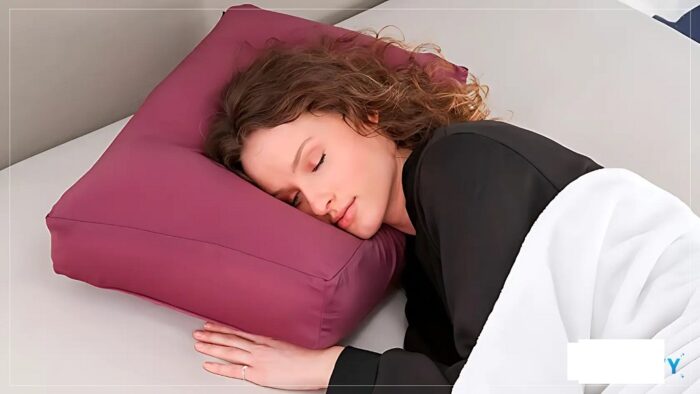
In recent years, microbead pillows have gained considerable attention in the world of bedding and comfort products. Known for their distinct texture, soft yet supportive structure, and versatility, microbead pillows are becoming increasingly popular among people seeking better sleep, relaxation, and ergonomic support. But what exactly is a microbead pillow, and how does it compare to other traditional pillow options? This article will explore the microbead pillow in-depth, covering its composition, benefits, drawbacks, and providing answers to frequently asked questions. By the end of this article, you’ll have a clear understanding of whether a microbead pillow could be the right fit for you.
What is a Microbead Pillow?

A microbead pillow is a type of pillow filled with tiny, smooth beads that are typically made from polystyrene. These beads are much smaller than traditional pillow stuffing, such as cotton or foam, which allows them to mold to the shape of your head, neck, and body more effectively. The beads inside the pillow provide a soft yet firm support, making them a popular choice for people looking for ergonomic solutions, especially those with neck or back pain.
Microbead pillows are also known for being lightweight and breathable, unlike memory foam pillows which may retain heat. The unique structure of the microbeads allows air to circulate, keeping the pillow cool and comfortable throughout the night. These pillows are used for various purposes, including sleep support, neck cushions, travel pillows, and even decorative throw pillows.
How Are Microbead Pillows Made?
The process of creating microbead pillows involves the filling of a durable, soft pillowcase with millions of tiny polystyrene beads. These beads are typically smaller than a grain of rice and are sealed inside the pillow. The outer fabric of the pillow is often made of soft materials like cotton, velvet, or polyester to enhance comfort and provide a smooth texture against the skin. Some microbead pillows even have a removable cover for easy cleaning.
The beads are typically treated to ensure they are smooth and even, preventing any sharp edges or uncomfortable pressure points when the pillow is used. The pillowcase is then sealed tightly, ensuring that the beads stay in place, but also allowing for slight movement to adapt to the user’s body shape.
Pros of Microbead Pillows
Microbead pillows have many benefits that make them appealing to a wide range of consumers. Here are some of the main pros:
1. Comfort and Support
One of the biggest reasons people gravitate towards microbead pillows is their unique comfort and support. The tiny beads inside the pillow allow it to mold to the shape of your head, neck, and body, offering personalized support. This adaptive nature can help relieve pressure points, which is especially beneficial for individuals with neck pain or other musculoskeletal issues.
2. Lightweight and Portable
Microbead pillows are typically lighter than other types of pillows, like those filled with memory foam or down feathers. This makes them a great option for travel. Many people use microbead pillows as neck supports for flights or long car rides because they are easy to carry and provide good head and neck alignment.
3. Breathable and Cool
Unlike memory foam pillows, which can trap heat and cause discomfort during warm nights, microbead pillows are more breathable. The structure of the beads allows air to circulate freely, helping to keep the pillow cool throughout the night. This can be particularly advantageous for people who tend to overheat while sleeping.
4. Durable and Long-Lasting
Microbead pillows are known for their durability. The beads inside do not lose their shape or flatten out over time like traditional pillow fillings might. This helps the pillow maintain its original support and comfort level for a long period, making it a solid investment in terms of longevity.
5. Hypoallergenic
The synthetic beads used in microbead pillows are generally hypoallergenic. This makes them an excellent choice for people with allergies or sensitivities to natural fillings like feathers or down. Additionally, the smooth beads do not trap dust mites, mold, or bacteria as easily, further promoting a cleaner and healthier sleeping environment.
6. Variety of Uses
While microbead pillows are commonly used for sleep, they are also versatile enough for a variety of other uses. Many people use them as decorative throw pillows, neck pillows for travel, or even as seat cushions for additional comfort. The versatility makes them a popular choice for various settings, such as home, office, and travel.
Cons of Microbead Pillows
While microbead pillows offer a range of benefits, they also have some downsides that potential users should be aware of. Here are some of the main cons:
1. Noise
One of the most commonly cited drawbacks of microbead pillows is the noise they make. When you move or shift your position while sleeping, the beads inside the pillow can create a rustling sound. This can be disruptive to some people, particularly those who are light sleepers.
2. Less Firm Support for Some People
While microbead pillows offer a soft and malleable feel, they may not provide enough firmness for everyone. People who prefer a more rigid, solid support may find the beads too soft or not supportive enough. This may be especially true for individuals who require more neck or spinal alignment for therapeutic reasons.
3. Potential for Bead Leakage
Although microbead pillows are typically durable, they are not immune to damage. Over time, the stitching in the pillowcase can weaken, which may cause the beads to leak out. If this happens, the pillow may become less comfortable and the beads may create a mess. Proper care and maintenance are essential to prevent this issue.
4. Limited Customization Options
While microbead pillows conform to the shape of your head and neck, they may not offer the same level of customization as other types of pillows. For example, memory foam pillows often allow you to adjust the filling or firmness to your liking, whereas microbead pillows do not offer as many options for individual adjustments.
5. Can Be Too Soft for Some
Despite their comfort, microbead pillows can be too soft for some users. People who prefer a firmer, more supportive pillow may not find microbeads to be the right choice. Additionally, they may not offer the best support for stomach sleepers who need a flatter pillow.
6. Environmental Concerns
Some people may have concerns about the environmental impact of microbead pillows. The polystyrene beads are made from plastic, which is a non-biodegradable material. This raises concerns about the long-term sustainability of these products, especially in the context of growing environmental awareness and plastic waste reduction.
FAQs About Microbead Pillows
1. Are microbead pillows good for neck pain?
Yes, many people find that microbead pillows help with neck pain. The beads conform to the shape of your neck and head, providing personalized support. However, it’s essential to choose the right pillow that suits your specific needs. If you have severe neck issues, consulting with a healthcare provider about the best pillow for your condition is recommended.
2. Can microbead pillows be washed?
Most microbead pillows come with removable covers that can be washed. However, it is not recommended to wash the pillow itself (the bead-filled inner part), as doing so may damage the beads and affect the pillow’s structure. Always check the care instructions before washing to ensure proper maintenance.
3. How long do microbead pillows last?
Microbead pillows are generally quite durable and can last several years with proper care. However, their lifespan depends on factors like usage, quality, and how well the pillow is maintained. To ensure the longevity of your pillow, make sure to follow the manufacturer’s care instructions and avoid excessive wear.
4. Can I use a microbead pillow for travel?
Yes, are often used as travel pillows due to their portability and comfort. Their lightweight nature and ability to provide neck support make them ideal for use on airplanes, cars, or buses.
5. Are microbead pillows eco-friendly?
Microbead are not the most eco-friendly option, as they are made from polystyrene, a type of plastic. Polystyrene is not biodegradable, and many environmentalists have raised concerns about plastic pollution. If sustainability is a priority for you, you might want to consider alternative pillows made from more eco-friendly materials.
6. Can I adjust the firmness of a microbead pillow?
Microbead pillows do not have the same level of adjustability as foam or down . The beads inside the pillow will mold to your head and neck, but you cannot add or remove beads to adjust the firmness. If you require more customization, a different type of pillow may be more suitable.
Conclusion
Microbead pillows provide a unique combination of comfort, support, and versatility that makes them an attractive choice for many people. They offer several advantages, such as being lightweight, breathable, and hypoallergenic, making them ideal for various uses like travel and neck support. However, they do come with some drawbacks, including noise, potential bead leakage, and environmental concerns. Whether a microbead pillow is right for you depends on your personal preferences, sleeping habits, and any specific needs related to comfort or health. By considering the pros and cons outlined in this article, you can make an informed decision about whether this popular comfort accessory is the perfect addition to your bedding setup.