

We invest in countless serums, treatments, and styling tools for healthier hair, but often overlook a crucial element in our nightly routine: our pillowcase. What you lay your head on for eight hours a night can significantly impact the health, appearance, and even growth potential of your pillowcase materials for hair growth. The constant friction, moisture absorption, and material composition of your pillowcase can either nurture your strands or contribute to breakage, frizz, and dryness.
If you’ve been battling bedhead, inexplicable hair breakage, or a lack of luster, it’s time to consider an upgrade. This comprehensive guide will delve deep into the world of pillowcase materials, examining their pros and cons for hair health and helping you discover the best option to unlock your hair’s true growth potential.
The Silent Saboteur: How Your Current Pillowcase Might Be Harming Your Hair
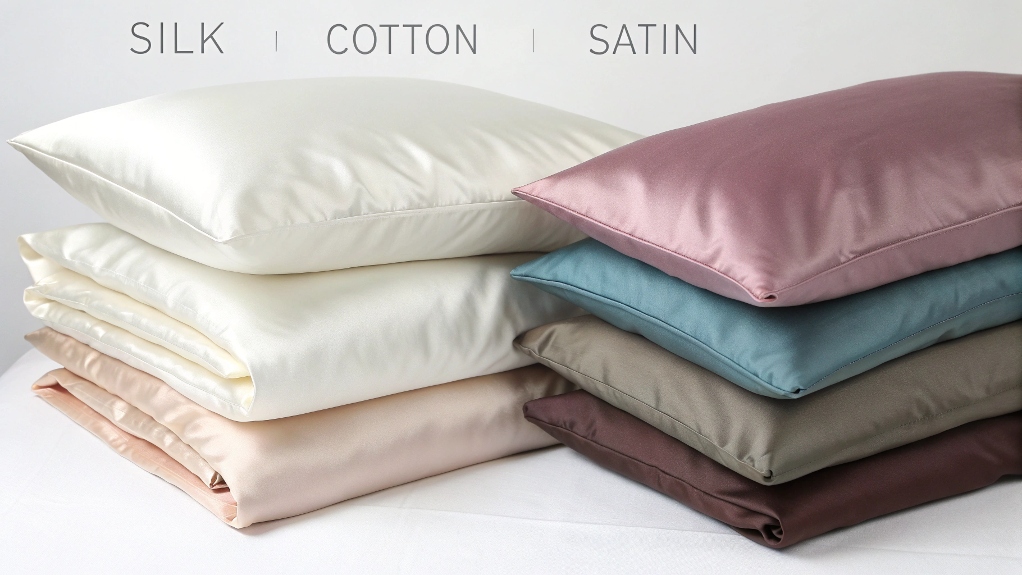
Before we explore the best options, let’s understand why certain pillowcase materials can be detrimental to your hair. The primary culprits are friction and moisture absorption.
Friction: Imagine rubbing your hair against a rough surface for hours on end. That’s essentially what happens with many common pillowcase materials. Fabrics like standard cotton, microfiber, and even certain low-quality sateen weaves create significant friction as you toss and turn in your sleep. This friction can:
- Roughen the Hair Cuticle: Your pillowcase materials for hair growth strands are covered in an outer layer of overlapping scales called the cuticle. Friction lifts, chips, or even breaks these scales, leaving the hair shaft exposed and vulnerable.
- Lead to Tangles and Knots: When cuticles are roughened, individual hair strands snag on each other, resulting in frustrating tangles and knots, especially for those with curly, coily, or fine hair.
- Cause Breakage and Split Ends: The constant tugging and pulling from friction weakens the pillowcase materials for hair growth shaft, leading to breakage, split ends, and overall hair thinning over time. You might notice more hair on your pillow in the morning.
- Increase Frizz: Damaged cuticles cannot lie flat, causing hair to appear frizzy and unmanageable.
Moisture Absorption: Many common pillowcase materials are highly absorbent. While this might seem beneficial for wicking away sweat, it’s a double-edged sword when it comes to your pillowcase materials for hair growth and skin.
- Drying Out Hair and Scalp: Cotton, for instance, is notorious for its absorbency. It readily soaks up the natural oils (sebum) produced by your scalp and hair, as well as any leave-in conditioners or hair treatments you apply before bed. This can lead to dry, brittle hair and a dry, irritated scalp.
- Reducing Product Efficacy: If your pillowcase is absorbing your expensive hair serums and creams, they’re not staying on your hair to do their job, essentially wasting your investment.
- Contributing to Oiliness: Paradoxically, a dry scalp can sometimes overproduce oil to compensate, leading to a greasy scalp and hair, especially for those with oily hair types.
The Contenders: A Deep Dive into Pillowcase Materials for Hair Health
Now that we understand the enemy, let’s look at the allies. Here are the most popular pillowcase materials and their impact on your pillowcase materials for hair growth :
-
Silk Pillowcases: The Gold Standard for Hair Health
Without a doubt, silk is consistently hailed by hairstylists, dermatologists, and beauty enthusiasts as the best pillowcase material for hair health. It’s a luxurious natural fiber produced by silkworms, known for its incredibly smooth, soft, and breathable properties.
Why Silk Wins for Hair Growth & Health:
- Minimal Friction: Silk’s smooth surface allows hair to glide effortlessly, significantly reducing friction. This means:
- Less Breakage and Split Ends: Your hair experiences less tugging and pulling, leading to fewer broken strands and split ends. This preservation of hair integrity is crucial for promoting length retention and healthier growth.
- Reduced Frizz and Tangles: Hair cuticles remain smoother, preventing snagging and minimizing frizz and morning tangles. You wake up with smoother, more manageable hair.
- Preserves Hairstyles: If you spend time styling your hair, silk helps maintain your blowout or curls overnight, extending the life of your hairstyle.
- Retains Moisture: Unlike cotton, silk is far less absorbent. It helps your hair and scalp retain their natural moisture and the benefits of your hair products. This is especially vital for dry, damaged, curly, coily, or chemically treated hair.
- Naturally Hypoallergenic: Silk is naturally resistant to dust mites, mold, fungus, and other allergens, making it an excellent choice for those with sensitive scalps or skin conditions. A cleaner sleep environment can also contribute to a healthier scalp, which is foundational for hair growth.
- Temperature Regulating: Silk is breathable and helps regulate temperature, keeping your head cool and comfortable throughout the night. This prevents overheating, which can contribute to scalp sweating and potential irritation.
- Protein-Based Fibers: Silk fibers are protein-based, containing amino acids that are gentle on delicate hair strands and can even contribute to the overall health of your hair.
What to Look For in a Silk Pillowcase:
- 100% Mulberry Silk: This is the highest quality silk, known for its long, smooth fibers.
- Momme Weight (mm): Similar to thread count for cotton, momme measures the silk’s weight and density. Look for a momme weight of 19mm or higher (22mm is often considered ideal) for durability and optimal benefits.
- Grade 6A: This indicates the highest quality silk fibers.
- OEKO-TEX® Certified: This certification ensures the fabric is free from harmful chemicals.
-
Satin Pillowcases: The Affordable Alternative
Satin is often confused with silk, but it’s important to remember that satin refers to a weave of fabric, not a material. While satin can be made from silk (silk satin), most commonly, satin pillowcases are made from synthetic materials like polyester or rayon.
Why Satin is a Good Option:
- Reduced Friction: Like silk, satin has a smooth, slippery surface that significantly reduces friction compared to cotton. This offers similar benefits in terms of minimizing breakage, frizz, and tangles.
- More Affordable: Satin pillowcases are generally much more budget-friendly than genuine silk, making them an accessible option for those wanting to experience the benefits of a smooth sleeping surface without the higher price tag.
- Easier to Care For: Many satin pillowcases are machine washable, making them more convenient for daily use.
Limitations of Satin:
- Less Breathable: Synthetic satin can be less breathable than natural silk, potentially leading to a warmer sleep experience.
- Less Absorbent (but not as good as silk): While better than cotton, synthetic satin still might absorb more moisture than pure silk, meaning slightly less moisture retention for your hair and skin.
- Not Hypoallergenic by Nature: Unlike silk, synthetic satin doesn’t inherently possess hypoallergenic properties.
- Durability: Lower quality satin may not be as durable as high-quality silk and might pill or lose its smoothness over time.
-
Bamboo Pillowcases: The Eco-Friendly & Hair-Friendly Choice
Bamboo is gaining popularity as an eco-friendly and hair-friendly alternative. Bamboo fabric is often made from bamboo rayon or lyocell, which are soft, smooth, and breathable.
Why Bamboo is a Strong Contender:
- Smooth Texture: Bamboo fibers are naturally softer and smoother than cotton, providing a gentle surface for your hair to glide over, thus reducing friction, frizz, and breakage.
- Moisture-Wicking & Breathable: Bamboo is highly porous, allowing for excellent airflow and moisture-wicking properties. This helps to prevent sweat and heat buildup, keeping your scalp comfortable. While it wicks moisture, it’s generally considered less absorbent of natural oils than cotton, helping hair retain hydration.
- Hypoallergenic & Antimicrobial: Bamboo possesses natural antimicrobial and hypoallergenic properties, making it beneficial for those with sensitive skin or allergies, and contributing to a cleaner sleep surface.
- Eco-Friendly: Bamboo is a rapidly renewable resource that requires less water and no harmful pesticides to grow compared to cotton.
Considerations for Bamboo:
- Processing: The process of turning bamboo into fabric can sometimes involve chemicals, so look for certifications like OEKO-TEX® to ensure it’s free from harmful substances.
- Cost: Bamboo pillowcases can be more expensive than cotton, though generally less than high-quality silk.
-
Cotton Pillowcases: The Common Culprit
Cotton is the most common pillowcase material due to its affordability and breathability. However, when it comes to hair health, it often falls short.
Why Cotton Can Be Detrimental:
- High Friction: Even high-thread-count cotton can create significant friction against your hair due to its short, coarse fibers. This leads to frizz, tangles, and breakage.
- Highly Absorbent: Cotton is incredibly absorbent, soaking up moisture from your hair and scalp, leaving them dry and prone to damage.
- Not Ideal for Maintaining Styles: Because of the friction and moisture absorption, cotton pillowcases can quickly undo your hairstyle overnight.
When Cotton Might Be Acceptable (with caveats):
- Very High Thread Count Cotton (400+): While still not as good as silk or satin, a very high thread count cotton can be smoother and slightly less damaging than lower quality cotton.
- If You Have Oily Hair (sometimes): In some cases, if you have extremely oily hair, the absorbency of cotton might be perceived as a benefit. However, it’s more likely to exacerbate the issue by stripping natural oils and encouraging overproduction. For oily hair, a silk pillowcase is still recommended as it won’t absorb and re-transfer oils.
- Other Materials to Be Wary Of:
- Microfiber: While soft to the touch, microfiber can create friction and may not be breathable, potentially leading to hair damage and heat retention.
- Flannel and Linen: These materials are often rougher in texture and highly absorbent, making them unsuitable for hair health.
- Sateen (if cotton-based): Be cautious of “sateen” pillowcases that are cotton-based. While they have a smoother weave than standard cotton, they still retain cotton’s moisture-wicking properties and can still cause friction.
The Link to Hair Growth: It’s All About Prevention
It’s important to clarify that no pillowcase material will directly cause hair to grow faster. Hair growth originates from the follicles in your scalp. However, the right pillowcase material plays a crucial role in preventing damage and preserving hair health, which in turn supports optimal hair growth.
Think of it this way: if your hair is constantly breaking off due to friction and dryness, you’ll never see the length you desire, even if your scalp is producing new hair at a healthy rate. By minimizing breakage, split ends, and frizz, a good pillowcase allows your hair to retain its length and look healthier and fuller. This effectively creates an environment conducive to noticing and enjoying your hair’s natural growth.
Furthermore, a healthy scalp is vital for healthy hair growth. Materials that are breathable, hypoallergenic, and don’t strip your scalp of its natural oils contribute to a healthier scalp environment, which can indirectly support stronger, more resilient hair.
How to Choose the Best Pillowcase for Your Hair
When selecting a pillowcase for hair health, consider these factors:
- Prioritize Smoothness and Low Friction: This is the most critical factor. Silk, high-quality satin, and bamboo are excellent choices.
- Consider Moisture Retention: Opt for materials that don’t excessively absorb your hair’s natural oils and products. Silk is superior here.
- Breathability: Especially if you tend to overheat at night, choose a breathable material like silk or bamboo to prevent scalp sweat and irritation.
- Hypoallergenic Properties: If you have a sensitive scalp or allergies, silk and bamboo offer natural benefits.
- Durability and Care: Consider how easy the material is to care for and its longevity. While silk often requires delicate washing, some varieties are machine washable.
- Budget: While silk is an investment, the long-term benefits for your hair and skin often outweigh the initial cost. Satin offers a good budget-friendly alternative.
Beyond the Pillowcase: Complementary Hair Care Tips
While choosing the right pillowcase is a significant step, it’s part of a holistic approach to hair health and growth. Complement your new pillowcase with these practices:
- Gentle Detangling: Always detangle your hair gently, starting from the ends and working your way up, using a wide-tooth comb or a brush designed for wet hair.
- Minimize Heat Styling: Excessive heat can damage hair, making it more prone to breakage. Use heat protectants and air dry whenever possible.
- Nourishing Hair Products: Incorporate leave-in conditioners, hair masks, and serums that provide hydration and strength to your strands.
- Balanced Diet: A nutritious diet rich in vitamins, minerals, and proteins supports healthy hair growth from within.
- Stay Hydrated: Drinking enough water is crucial for overall health, including the health of your hair.
- Regular Trims: While seemingly counterintuitive for growth, regular trims remove split ends, preventing them from traveling further up the hair shaft and causing more damage.
Read More Also: Transform Your Sleep: Top Pillows to Banish Shoulder Pain
Conclusion: Investing in Your Nightly Hair Care Routine
The impact of your pillowcase on your hair’s health and growth potential is undeniable. By making a simple switch from a common cotton pillowcase to a smoother, less absorbent material, you can significantly reduce friction, prevent moisture loss, and create an optimal environment for your hair to thrive.
While silk stands out as the ultimate choice for its unparalleled benefits, high-quality satin and bamboo offer excellent alternatives that deliver significant improvements. Investing in a silk, satin, or bamboo pillowcase is not just a luxury; it’s a smart, effortless addition to your nightly beauty routine that can lead to noticeably healthier, shinier, and stronger hair, allowing you to finally achieve the luscious locks you desire. Say goodbye to bedhead and hello to your best hair days, starting tonight.
Discover More: Can I Wash My Pillow in the Washing Machine?