

Flat head syndrome, or positional plagiocephaly, is more common than most parents realize. Studies show it affects nearly 47% of infants to some degree by the time they’re two months old (Seattle Children’s Hospital). This condition often develops when a baby spends extended time lying on their back. With the rise in awareness, many parents turn to specially designed baby pillows for sleeping to prevent flat spots. But do they really work?
Understanding Flat Head Syndrome in Newborns
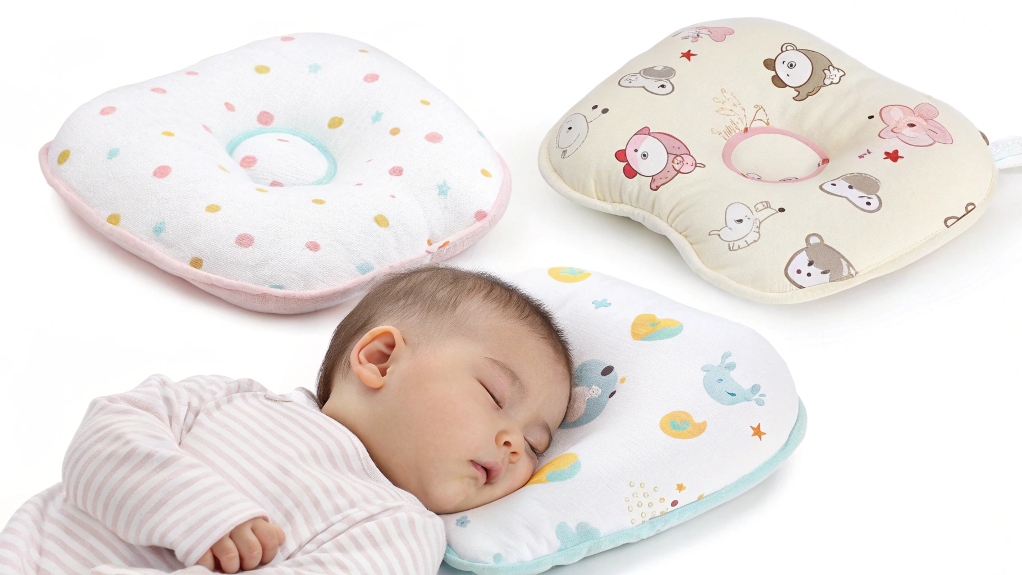
Flat head syndrome occurs when an infant’s soft skull becomes flattened in one area, typically due to pressure on the same part of the head over time. This is especially common during the first few months when the baby’s bones are still soft and moldable. Pediatricians often recommend that babies sleep on their backs to reduce the risk of SIDS (Sudden Infant Death Syndrome), but this positioning can increase the risk of flat head development.
The logic is simple: when babies rest on one spot of their head day and night, the skull can flatten. Preventing this doesn’t mean compromising on safe sleep recommendations. It means supporting the head in a way that distributes pressure more evenly—something baby pillows claim to do.
What Are Baby Pillows for Flat Head?
Baby pillows designed for flat head prevention often feature a concave center, promoting better alignment of the head and neck. These pillows are usually made from breathable memory foam or cotton, shaped to cradle the skull without exerting pressure on one point.
There are several types on the market, but not all are created equal. The right pillow is ergonomic, firm enough to support, and free from suffocation hazards. Brands like Babymoov and Mimos are frequently recommended by pediatricians and parents alike due to their proven safety records and supportive designs.
Do Baby Pillows Actually Prevent Flat Head Syndrome?
There’s some controversy here. While many parents report visible improvements in their baby’s head shape, health professionals urge caution. According to the American Academy of Pediatrics (AAP), baby pillows are not officially recommended for infants under 12 months due to the potential risk of suffocation.
However, many pediatric physiotherapists argue that when used under supervision or during awake time (e.g., in a stroller or during naps when the parent is present), these pillows can help prevent or reduce mild flattening.
Anecdotal evidence supports this claim. Thousands of reviews across parenting forums and marketplaces report improvements in head shape within weeks of using flat head prevention pillows.
Benefits of Using Baby Pillows for Sleeping
When used responsibly, baby pillows may offer several benefits:
- Pressure distribution: The design helps prevent concentration of weight on one area.
- Neck alignment: A slight elevation can assist with posture and comfort.
- Flat head prevention: Continuous head support during early weeks reduces asymmetry risk.
Additionally, parents appreciate the soft, cozy feeling these pillows provide, which often calms fussy babies during sleep or rest.
Expert Tips: How to Use Baby Pillows Safely
Professional tips for using baby pillows safely include:
- Use during supervised naps or playtime, not overnight sleep.
- Choose breathable, hypoallergenic materials.
- Pair with tummy time to reduce constant head pressure.
- Consult your pediatrician before regular use.
Remember, baby pillows are a tool, not a substitute for regular movement and repositioning.
Other Solutions to Prevent Flat Head Syndrome
Beyond baby pillows, consider these actionable solutions:
- Tummy time: Aim for at least 30 minutes daily, starting from birth.
- Repositioning: Alternate your baby’s head direction during sleep.
- Hold your baby: Reduce crib time by carrying your infant more often.
- Physical therapy: For moderate cases, guided exercises can help reshape the skull.
These techniques are often recommended in combination with a supportive baby pillow for enhanced results.
Real-World Examples of Success
Emily, a mother from Chicago, noticed a flat spot on her baby’s head at 6 weeks. After consulting her pediatrician, she introduced a flat head pillow during supervised naps. “Within a month, we saw a dramatic improvement,” she says. Stories like Emily’s are common, highlighting that with proper care and the right tools, flat head syndrome is often reversible.
Pediatric Opinions on Baby Pillows
Opinions vary widely. Some pediatricians avoid recommending pillows entirely due to suffocation concerns. Others, especially pediatric physical therapists, view them as helpful when integrated into a broader strategy. The key is balanced use—never leaving the baby unattended on the pillow and ensuring it meets safety standards.
Featured Snippet: Are Baby Pillows Safe and Effective for Preventing Flat Head?
Baby pillows designed for flat head prevention can be helpful when used during supervised awake time. These specially shaped pillows redistribute pressure on an infant’s soft skull, which may help prevent flattening. However, they should never be used in cribs overnight or without supervision. Pediatricians generally recommend alternative methods like tummy time and repositioning. Always consult a healthcare provider before introducing a pillow into your baby’s routine. When used wisely, baby pillows can support healthy head development and offer peace of mind to parents. Choose high-quality, breathable designs that comply with safety standards.
Frequently Asked Questions
Are baby pillows safe for overnight use?
No. Baby pillows should never be used for unsupervised or overnight sleep due to suffocation risk.
When can I start using a baby pillow?
Use only after consulting a pediatrician, typically during supervised naps or while the baby is awake.
Do all babies need a flat head pillow?
Not necessarily. Only those showing early signs of asymmetry or at risk due to prolonged back sleeping may benefit.
Can a baby pillow fix an existing flat spot?
It can help improve mild cases, but severe flat spots may require physical therapy or helmet treatment.
What’s the best position to prevent flat head?
Alternate your baby’s head position during sleep, and incorporate daily tummy time.
Are memory foam baby pillows safe?
If breathable and designed for infants, they may be safe under supervision. Avoid thick or adult-style memory foam.
How long does it take to see results from a baby pillow?
Some parents report visible changes within 2-4 weeks when combined with other preventive measures.
Read More Also: Cervical Pillows for Neck Pain: Your Guide to Proper Alignment and Support
Final Thought
Baby pillows for sleeping to prevent flat head for newborns can be a helpful addition to a parent’s toolkit, but only when used correctly. While not a miracle cure, they can aid in distributing head pressure and offer support during early development. Safety should always come first—never leave your baby unattended, and always consult your pediatrician.
By combining supervised pillow use with regular repositioning, tummy time, and attentive care, parents can take confident steps toward preventing flat head syndrome. The solution lies not in any one product, but in informed, balanced parenting choices that prioritize safety and support.