

Your pillow plays a big role in how well you sleep. A good pillow supports your neck, aligns your spine, and boosts comfort. However, pillows wear out over time, losing shape and hygiene. Replacing your pillow matters because it affects your health and sleep quality. Old pillows can harbor allergens, causing discomfort or illness. Knowing when to replace them ensures better rest. This article explains why replacing your pillow is key, signs it’s time for a new one, and how often to make the switch. With practical tips and research, you’ll learn to improve your sleep environment. Let’s dive in!
Why Pillows Wear Out Over Time
Pillows endure nightly pressure from your head and neck. Over months, their materials break down. Foam flattens, feathers clump, and fibers lose loft. This reduces support, leading to neck pain or poor sleep. Additionally, pillows absorb sweat, oils, and dead skin, creating a breeding ground for bacteria and dust mites. According to a 2018 study by the National Sleep Foundation, old pillows can contain up to 16 species of fungi. This impacts hygiene and health, especially for allergy sufferers.
Worn-out pillows also lose their ability to align your spine. Poor alignment strains muscles, causing discomfort. Replacing your pillow matters because it restores proper support and cleanliness. For example, I once ignored a flat pillow, waking up with stiff necks daily. Switching to a new one transformed my sleep. Regularly checking your pillow’s condition prevents these issues and promotes restful nights.
Signs It’s Time to Replace Your Pillow
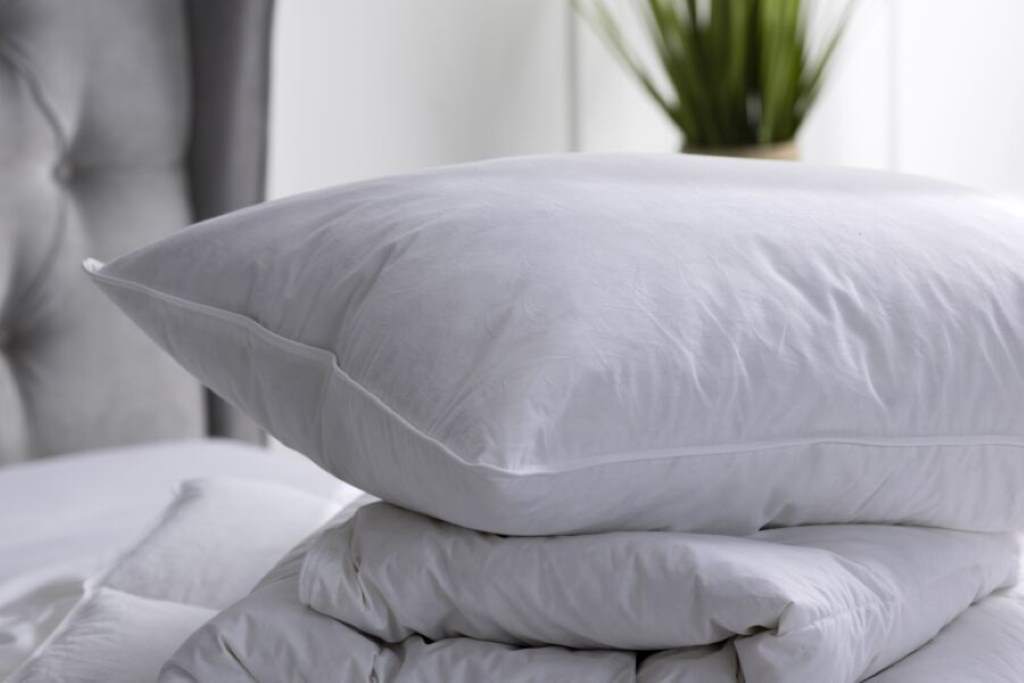
Not sure when to replace your pillow? Look for clear signs. If it’s lumpy, flat, or no longer holds shape, it’s time for a change. Fold your pillow in half; if it doesn’t spring back, it’s worn out. Yellow stains or odors also signal the need for replacement, as they indicate accumulated sweat and bacteria. Additionally, waking up with neck pain, headaches, or allergies often points to an old pillow.
These signs affect more than comfort. A 2021 study by the American Academy of Sleep Medicine found that poor pillow support increases neck pain by 43%. Replacing your pillow matters when these issues arise. I noticed sneezing fits every morning until I swapped my old pillow. Checking for these signs every few months helps you decide when to act.
Quick Signs to Watch For
- Lumps or flatness: The pillow feels uneven or doesn’t support your head.
- Stains or smells: Yellowing or odors indicate hygiene issues.
- Pain or allergies: Neck pain or sneezing may stem from an old pillow.
How Often Should You Replace Your Pillow?
Most experts recommend replacing your pillow every 1-2 years. However, this varies by material. Memory foam lasts longer, around 2-3 years, while feather pillows may need replacing yearly. Synthetic pillows often fall in between. Usage and care also matter. If you sleep heavily or skip washing pillowcases, replacement may come sooner. Regular cleaning extends life, but not indefinitely.
Why does replacing your pillow matter on this schedule? Old pillows lose support and collect allergens, harming sleep and health. A 2019 study by the Sleep Research Society noted that 68% of people reported better sleep after replacing old pillows. Personally, I replace mine every 18 months to avoid discomfort. Check your pillow’s material and condition to set a replacement timeline that suits your needs.
How Old Pillows Affect Your Health
Old pillows can harm your health in surprising ways. Dust mites, mold, and bacteria thrive in them, triggering allergies or asthma. The National Sleep Foundation reports that pillows can double in weight after three years due to dust mite buildup. This can cause sneezing, itchy eyes, or breathing issues. Additionally, poor support leads to neck and back pain, disrupting sleep.
Replacing your pillow matters for both physical and mental health. Poor sleep from an unsupportive pillow affects mood and focus. I once struggled with morning grogginess until I replaced a lumpy pillow, noticing an immediate mood lift. Washing pillowcases weekly and using protectors helps, but replacement is key when hygiene or support declines. Prioritizing a fresh pillow keeps your sleep environment healthy.
Choosing the Right Pillow for You
Selecting a new pillow is crucial for comfort and health. Consider your sleep position. Side sleepers need firmer, thicker pillows for neck support. Back sleepers benefit from medium-loft options, while stomach sleepers require thinner ones. Material matters too. Memory foam contours well, while feather pillows offer softness but may flatten faster. Hypoallergenic options suit allergy sufferers.
Replacing your pillow matters because the right choice improves sleep quality. Test pillows in stores or check return policies online. I switched to a memory foam pillow after years of feather ones, and my neck pain vanished. Research your needs and preferences. A 2020 survey by Consumer Reports found 75% of users slept better with a pillow matched to their sleep style. Choose wisely for lasting comfort.
Tips for Picking a Pillow
- Match your sleep position: Firm for side, medium for back, soft for stomach.
- Consider allergies: Hypoallergenic materials reduce dust mite issues.
- Test before buying: Ensure the pillow feels supportive and comfortable.
How to Extend Your Pillow’s Lifespan
You can delay replacing your pillow by caring for it properly. Use a pillow protector to shield against sweat and oils. Wash pillowcases weekly and clean the pillow itself every 4-6 months, following care instructions. For example, memory foam needs spot-cleaning, while synthetic pillows may be machine-washable. Fluffing daily maintains shape and prevents clumping.
Proper care reduces health risks and saves money. However, even with care, pillows eventually wear out. Replacing your pillow matters when it no longer responds to maintenance. I learned this after washing a pillow that still felt flat afterward. According to SleepFoundation.org, regular cleaning can add 6-12 months to a pillow’s life. Combine care with timely replacement for the best sleep experience.
Environmental Impact of Replacing Pillows
Replacing pillows frequently raises environmental concerns. Most pillows aren’t recyclable due to mixed materials like foam or feathers. Landfills accumulate millions of discarded pillows yearly. However, eco-friendly options exist. Some brands offer biodegradable or recyclable pillows made from natural fibers like cotton or buckwheat. Donating gently used pillows to shelters can also reduce waste.
Why does replacing your pillow matter for the planet? Choosing sustainable options minimizes your footprint. I started using a bamboo pillow, which is more eco-friendly and still supportive. Research brands with green certifications. A 2022 report by the Environmental Protection Agency noted that sustainable bedding reduces landfill waste by 15%. Balance health needs with environmental responsibility when replacing your pillow.
Conclusion
Replacing your pillow matters for better sleep, health, and comfort. Old pillows lose support, harbor allergens, and disrupt rest, leading to pain or illness. By recognizing signs like lumps, stains, or discomfort, you can decide when to replace them, typically every 1-2 years. Choosing the right pillow and maintaining it properly enhances sleep quality and extends its life. Additionally, eco-friendly choices reduce environmental impact. Prioritize your well-being by keeping your pillow fresh. Share your pillow replacement tips in the comments or spread this article to help others sleep better!
FAQs
Why does replacing my pillow improve sleep quality?
A new pillow restores support, aligns your spine, and reduces allergens, leading to better rest.
How can I tell if my pillow is causing neck pain?
Lumpy or flat pillows often cause neck pain. Test by folding; if it stays folded, replace it.
Can I wash my pillow to extend its life?
Yes, wash every 4-6 months per care instructions, but replace when support or hygiene fades.
Are eco-friendly pillows worth it?
Eco-friendly pillows reduce waste and are often hypoallergenic, making them a smart choice for health and sustainability.
Where can I find reliable pillow replacement advice?
Check trusted sources for expert tips on pillow care and replacement.