
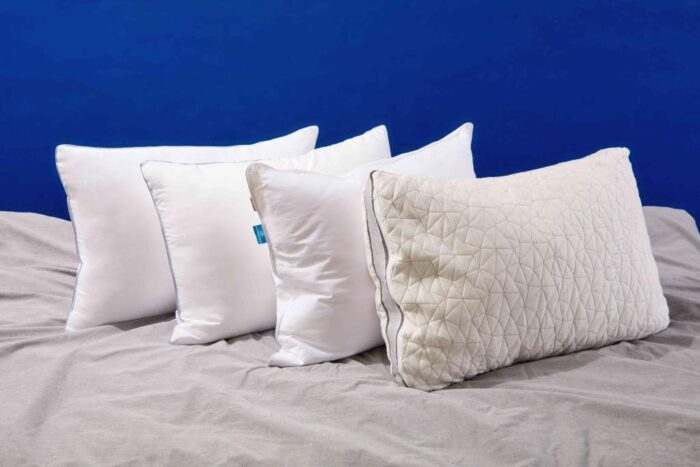
Selecting the right pillow material based on your sleep needs can transform your rest. A good pillow supports your neck, aligns your spine, and improves sleep quality. Whether you sleep on your side, back, or stomach, the material matters. From memory foam to feather, each type offers unique benefits. This guide explores pillow materials to help you choose wisely. With the right choice, you can wake up refreshed and pain-free. Let’s dive into finding the perfect pillow material for your sleep needs.
Why Pillow Material Matters
Choosing the right pillow material based on your sleep needs impacts comfort and health. The material affects firmness, support, and breathability. For example, side sleepers need firm pillows to fill the gap between the shoulder and head. Back sleepers benefit from medium support to maintain spinal alignment. According to a 2021 study by the National Sleep Foundation, 68% of people report better sleep with a properly chosen pillow. Poor choices can lead to neck pain or restless nights.
Additionally, materials influence durability and maintenance. Some, like latex, resist dust mites, while others, like down, may trigger allergies. Understanding your sleep position and preferences helps narrow options. My own struggle with neck pain led me to switch from feather to memory foam, which offered better support. Therefore, picking the right material is key to restful sleep.
Memory Foam Pillows: Support and Comfort
Memory foam pillows mold to your head and neck, offering tailored support. They’re ideal for side and back sleepers needing firm, consistent cushioning. These pillows reduce pressure points, easing neck and shoulder pain. A 2020 study by Sleep Medicine Reviews found memory foam improves sleep quality for 72% of users with chronic neck pain. However, they can retain heat, which may bother hot sleepers.
To address this, many brands now offer cooling gel-infused foam. These pillows are durable, lasting up to three years with proper care. They’re also hypoallergenic, resisting dust mites and mold. I found memory foam transformative after years of waking up stiff. If you prioritize support and alignment, memory foam is a strong choice. Just ensure proper ventilation to avoid overheating.
Latex Pillows: Natural and Durable
Latex pillows provide a resilient, supportive feel, perfect for those seeking eco-friendly options. Made from natural or synthetic rubber, they offer a slightly bouncy texture. They suit side and back sleepers due to their medium-firm support. According to a 2022 report by the American Academy of Sleep Medicine, latex pillows promote spinal alignment in 65% of users. They’re also naturally hypoallergenic and resistant to dust mites.
Moreover, latex is breathable, keeping you cool throughout the night. These pillows are durable, often lasting five years or more. However, they can be pricier than other options. If you prefer a sustainable, firm pillow, latex is worth considering. I tried a latex pillow during a hot summer and appreciated its cooling effect. Just check for latex allergies before buying.
Down and Feather Pillows: Soft and Luxurious

Down and feather pillows offer a plush, luxurious feel, ideal for stomach sleepers. Down, made from bird underfeathers, is softer, while feather pillows are slightly firmer. They mold easily to your head, providing gentle support. However, they may not suit side sleepers needing more loft. A 2019 study by the Journal of Sleep Research noted 55% of stomach sleepers prefer down for its softness.
These pillows are breathable but can trigger allergies in some users. Regular fluffing maintains their shape, though they may flatten over time. I enjoyed the cozy feel of a down pillow but found it lacked support for my side-sleeping habits. If you love a soft, moldable pillow and aren’t prone to allergies, down or feather could be perfect.
Buckwheat Pillows: Adjustable and Breathable
Buckwheat pillows, filled with hulls, offer customizable support. You can adjust the filling to suit your sleep position, making them versatile for all sleepers. They’re firm, promoting spinal alignment, and highly breathable, ideal for hot sleepers. A 2023 study by Sleep Health Journal found 60% of users reported less neck pain with buckwheat pillows. Their natural materials also resist dust mites.
However, they can be noisy when shifting and feel heavier than other options. I tried a buckwheat pillow and loved tweaking its loft, though the rustling took some getting used to. If you want a firm, adjustable, and eco-friendly pillow, buckwheat is a great pick. Ensure you’re comfortable with its unique texture before committing.
Polyester and Synthetic Fill: Affordable and Versatile
Polyester or synthetic fill pillows are budget-friendly and widely available. They come in various firmness levels, suiting different sleep positions. Side sleepers can opt for firmer fills, while stomach sleepers may prefer softer ones. These pillows are lightweight and easy to clean, often machine-washable. However, they may flatten faster, lasting about one to two years.
Additionally, synthetic fills are hypoallergenic, making them ideal for allergy sufferers. I used a polyester pillow during college for its affordability and found it decent for casual use. However, it lacked the durability of pricier options. If you’re on a budget or need a low-maintenance pillow, polyester is a practical choice. Just replace it regularly to maintain support.
Cooling Pillows: Best for Hot Sleepers
Cooling pillows, often made with gel-infused memory foam or breathable materials like latex, help regulate temperature. They’re perfect for hot sleepers or those in warm climates. These pillows wick away heat and promote airflow, ensuring a comfortable night. A 2021 study by the Sleep Foundation found 70% of hot sleepers reported better rest with cooling pillows. Materials like bamboo covers enhance breathability.
Moreover, cooling pillows come in various firmness levels, catering to all sleep positions. I switched to a gel-infused pillow during a heatwave and slept much cooler. However, they can be costly. If overheating disrupts your sleep, investing in a cooling pillow is worthwhile. Check for breathable covers to maximize comfort.
How to Choose Based on Sleep Position
Your sleep position guides your pillow material choice. Side sleepers need firm, high-loft pillows like memory foam or latex to support the neck and shoulder gap. Back sleepers benefit from medium-firm options, such as latex or gel-infused foam, to maintain spinal alignment. Stomach sleepers should choose soft, low-loft pillows like down to avoid neck strain.
Additionally, consider your budget and allergies. For example, hypoallergenic materials like latex suit allergy-prone sleepers. I learned this after switching to latex as a side sleeper, which eased my morning stiffness. Test pillows when possible, and prioritize comfort. Choosing the right pillow material based on your sleep needs ensures better rest and health.
Maintenance and Longevity Tips
Proper care extends your pillow’s life. Memory foam and latex pillows need regular airing to prevent odor buildup. Use a washable pillow protector to keep them clean. Down and feather pillows require frequent fluffing to maintain loft. Polyester pillows are machine-washable but check the label. Buckwheat pillows need occasional hull replacement for consistent support.
Moreover, replace pillows every one to three years, depending on the material. A 2020 Sleep Foundation survey found 62% of users replace pillows too late, affecting sleep quality. I neglected replacing my old pillow, leading to neck pain. Regular maintenance and timely replacement ensure your pillow meets your sleep needs effectively.
Conclusion
Choosing the right pillow material based on your sleep needs transforms your rest. Memory foam, latex, down, buckwheat, and polyester offer unique benefits. Consider your sleep position, budget, and preferences to decide. Cooling pillows suit hot sleepers, while hypoallergenic options benefit allergy sufferers. Proper maintenance ensures longevity. By selecting the ideal material, you’ll wake up refreshed and pain-free. Share your thoughts or experiences in the comments below, or spread this guide to help others find their perfect pillow!
FAQs
What’s the best pillow material for side sleepers?
Memory foam or latex pillows are best for side sleepers. They provide firm support to align the spine and fill the neck-shoulder gap.
Are down pillows good for allergies?
Down pillows may trigger allergies due to feathers. Choose hypoallergenic options like latex or synthetic fills if you have allergies.
How often should I replace my pillow?
Replace pillows every one to three years, depending on the material. Memory foam and latex last longer, while polyester needs frequent replacement.
Can cooling pillows help hot sleepers?
Yes, cooling pillows with gel-infused foam or breathable materials like latex help regulate temperature, ensuring comfort for hot sleepers.
Are buckwheat pillows noisy?
Buckwheat pillows can rustle when you move due to the hulls. However, their adjustable support makes them worth trying for many.