
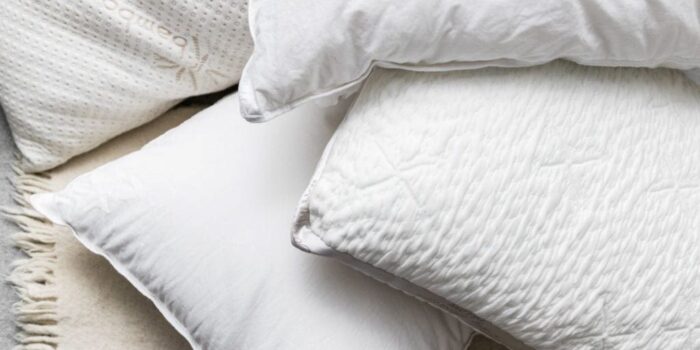
Choosing the right pillow can transform your sleep experience. In today’s saturated pillow market, two contenders dominate discussions—down and memory foam pillows. Each promises restful sleep, spinal alignment, and luxurious comfort. But which truly delivers? This in-depth comparison unveils everything you need to know, combining science, user reviews, and sleep expert insights.
What Are Down Pillows?
Down pillows are filled with the soft under feathers from ducks or geese, known for their light, fluffy texture. High-quality versions use goose down, which tends to be loftier and more durable than duck down. Many consumers appreciate the cloud-like softness and breathability.
According to the American Down and Feather Council, 70% of luxury hotel pillows contain down for its plush feel and natural insulation. However, they offer minimal neck support, especially for side or back sleepers who require firmness.
Despite their comfort, they require regular fluffing and may not suit allergy sufferers unless labeled as hypoallergenic. They also tend to retain less shape over time.
What Is a Memory Foam Pillow?
Memory foam pillows, developed from NASA’s viscoelastic technology, contour to your head and neck. They adapt to pressure and temperature, offering targeted support and alignment. Unlike down, memory foam doesn’t compress easily.
In a 2023 consumer sleep study by the Better Sleep Council, 64% of respondents preferred memory foam for its orthopedic benefits. Its firm structure makes it ideal for those with chronic neck pain or sleep apnea. However, some users report overheating and off-gassing smells upon first use.
Shredded memory foam options offer improved breathability and adjustability, appealing to hot sleepers and those needing customization.
Comfort and Sleep Quality
Comfort is subjective, but trends emerge when comparing user experiences. Down pillows offer unmatched softness and a luxurious feel. They suit stomach sleepers best, who benefit from a less elevated head position.
Memory foam excels in pressure relief, especially for side and back sleepers. Its ergonomic support minimizes tossing and turning. A 2022 study from the National Sleep Foundation found that people using memory foam pillows spent 17% more time in deep sleep compared to those using traditional down.
That said, memory foam can feel overly firm to those used to softer materials. Down, on the other hand, may compress too much, leading to neck strain over time.
Durability and Maintenance
Durability is a critical factor, especially considering how much we rely on our pillows. Down pillows typically last 2–3 years before losing loft. They need regular fluffing and dry cleaning, which can add to long-term costs.
Memory foam pillows generally last 3–5 years and require less maintenance. Spot cleaning is usually enough. Though initially pricier, their longevity often justifies the investment.
From an eco-conscious perspective, down is biodegradable but often raises ethical concerns unless sourced responsibly. Look for certifications like the Responsible Down Standard (RDS). Memory foam, while synthetic, has recyclable options and CertiPUR-US certifications for safety.

Temperature Regulation
Hot sleepers often struggle with finding the right pillow. Down naturally breathes well, allowing for better air circulation. However, it can trap heat if overstuffed or used with dense pillowcases.
Traditional memory foam is notorious for retaining heat. Newer models incorporate cooling gels or ventilation channels to offset this issue. Shredded memory foam improves airflow significantly and is a smart pick for those in warmer climates.
Allergies and Hygiene
For allergy sufferers, pillow materials matter. Down, unless specially treated, can harbor dust mites and allergens. Memory foam is inherently hypoallergenic due to its dense structure.
A 2021 report in the Journal of Allergy and Clinical Immunology stated that synthetic pillows like memory foam reduce allergen exposure by up to 60%. Hypoallergenic down pillows offer a safer alternative but come at a higher price point.
Price vs. Value
Down pillows range from $40 to $300 depending on fill power, cover material, and sourcing. Memory foam options vary between $30 and $150, with gel-infused or shredded types being slightly costlier.
While down gives a touch of hotel luxury, memory foam delivers more consistent support over time. If budget is tight but support is a must, memory foam provides better long-term value.
Featured Snippet – Expert Q&A
Which Pillow Is Better: Down or Memory Foam?
It depends on your sleep style and preferences. Down pillows offer unmatched softness and breathability, making them ideal for stomach sleepers or those seeking a luxury feel. Memory foam, on the other hand, provides structured support and is perfect for side and back sleepers who need neck and spine alignment. For allergy sufferers, memory foam wins due to its hypoallergenic properties. Choose down if you value plush comfort. Opt for memory foam if you prioritize support and longevity.
FAQs
- Are down pillows good for neck pain?
Not usually. Their softness may lack the support needed for proper spinal alignment. - Do memory foam pillows cause sweating?
Traditional ones can. Look for gel-infused or shredded foam options for better breathability. - Can you wash down pillows?
Yes, but only if labeled washable. Otherwise, dry cleaning is recommended to preserve quality. - How often should I replace my memory foam pillow?
Every 3–5 years or when it starts to lose shape and support. - Are down pillows eco-friendly?
They can be, if sourced responsibly. Look for RDS certification to ensure ethical practices. - Do memory foam pillows smell bad?
Some have a temporary off-gassing odor. Let them air out for 24–48 hours after unpacking. - Which is better for side sleepers?
Memory foam offers better neck and spine support for side sleepers due to its contouring ability.
Final Thought
In the showdown between down vs. memory foam pillows, there’s no universal winner. Your ideal pillow hinges on personal needs—comfort versus support, coolness versus contouring, softness versus structure. Down suits those craving a featherlight feel, while memory foam serves sleepers needing pain relief and alignment.
Sleep isn’t one-size-fits-all. Invest in the pillow that complements your habits, health, and climate. Whether it’s the cloud-like embrace of down or the supportive contour of memory foam, quality sleep starts with smart choices.
References:
Read More: