

A good night’s sleep is no longer just about a soft bed and a quiet room. Today, it’s also about smart, responsive pillows. With a surge in demand for personalized comfort, breakthrough pillow technologies are radically transforming sleep quality across the globe.
The Science Behind Better Sleep
Over 70 million Americans suffer from sleep disorders, according to the American Sleep Association. One key culprit is poor spinal alignment, often caused by traditional pillows. That’s where innovative pillow technologies come in.
Smart pillows, for example, use sensors to detect head position and adjust firmness automatically. These aren’t just gimmicks—they’re engineered solutions rooted in biomechanics and sleep science. Companies like Moona and 10minds have pioneered pillows that use real-time data to respond to your body’s needs.
Adaptive Memory Foam: Next-Level Comfort
Memory foam is no longer the dense, sweaty material of the early 2000s. New-generation memory foam incorporates gel-infused particles, copper fibers, and open-cell structures to enhance breathability and support.
These materials help regulate temperature throughout the night, reducing night sweats—a problem reported by over 30% of adults. Experts like Dr. Michael Breus, a clinical psychologist and sleep specialist, agree that thermoregulation is a critical factor in sleep quality. Foam infused with gel or graphite actively disperses heat while maintaining firm support for the neck and spine.
Cooling Pillows With Phase-Change Materials
If you often flip your pillow to the “cool side,” you’re not alone. Thermo-active pillows now integrate phase-change materials (PCMs), originally developed by NASA. These materials absorb and release heat based on your body temperature, keeping the surface consistently cool.
Studies show that lower core body temperature improves deep sleep. A PCM-based pillow like the Tempur-Cloud Breeze Dual Cooling Pillow can drop surface temperature by up to 5 degrees Fahrenheit. That slight drop is enough to help users fall asleep faster and stay asleep longer.
Smart Technology and Sleep Monitoring
The rise of smart pillows has been fueled by the quantified-self movement. Consumers want data about their sleep patterns. Smart pillows now offer real-time feedback on breathing, movement, and even snoring.
The ZEEQ Smart Pillow, for instance, uses a built-in microphone to detect snoring and gently vibrates to encourage position changes. This is particularly useful for those with mild obstructive sleep apnea. Another player, the Dreampad, uses bone conduction to deliver calming sounds directly to the sleeper without disturbing a partner.
These devices often sync with smartphone apps, allowing users to analyze sleep metrics. As reported by SleepFoundation.org, data tracking can enhance behavior change and improve sleep hygiene.
Customization Through AI and Machine Learning
AI-driven pillow technologies are redefining personalization. Brands like Pluto Pillow offer custom-built pillows after analyzing user data such as weight, sleep position, and comfort preference.
Machine learning algorithms crunch this information to create a unique pillow composition. Unlike one-size-fits-all models, AI-generated pillows adjust their support levels based on individual pressure points and body mechanics.
This level of personalization drastically reduces issues like neck pain and insomnia. A study from the Journal of Manipulative and Physiological Therapeutics revealed that ergonomic pillows improve neck pain in 70% of participants.
Sustainable and Eco-Friendly Pillow Innovation
With climate concerns on the rise, consumers demand sustainable solutions even in sleep products. Breakthrough technologies now include organic latex, bamboo fiber covers, and recycled down alternatives.
Avocado Green Pillows, for example, combine natural latex with organic cotton for an entirely biodegradable design. These materials are not just eco-conscious—they’re hypoallergenic and antimicrobial, making them ideal for allergy sufferers.
Moreover, biodegradable materials reduce off-gassing, a common problem in traditional synthetic pillows, which emit volatile organic compounds (VOCs).
The Rise of Anti-Snore and Posture Correction Pillows
Snoring affects about 45% of adults occasionally, and 25% habitually, according to the Sleep Foundation. Anti-snore pillows are one of the fastest-growing segments in sleep tech.
Contour-based pillows realign the jaw and open up airways, reducing snoring. Others use smart features to gently tilt the head or vibrate when snoring is detected. These products cater to side-sleepers, back-sleepers, and even combination sleepers with targeted support zones.
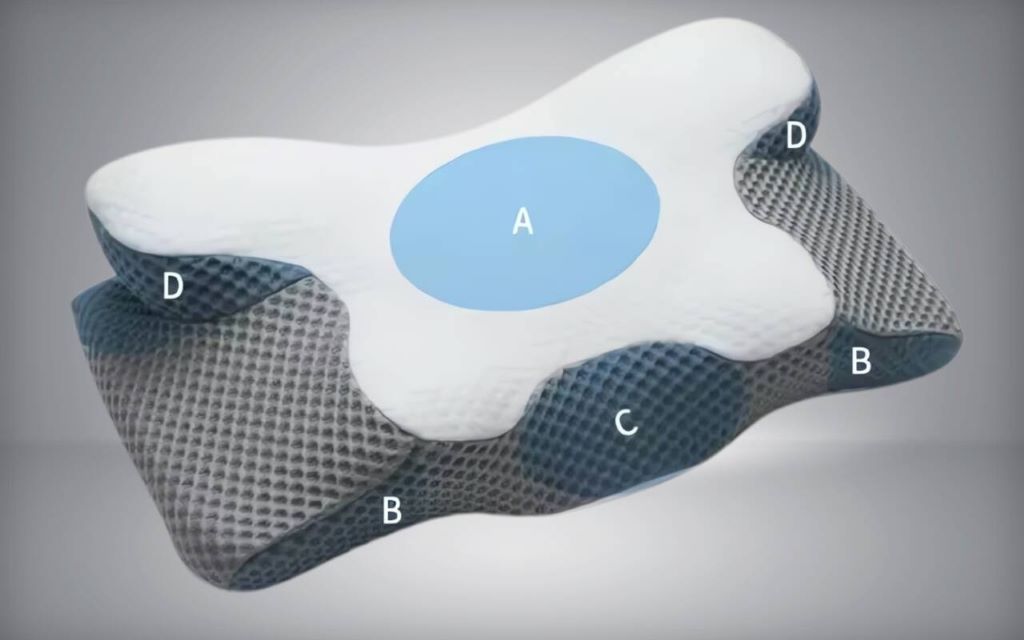
Orthopedic pillows now integrate ergonomic zones to prevent morning stiffness. By supporting natural cervical curves, they relieve pressure on sensitive nerves and muscles, enhancing rest and recovery.
Featured Snippet: What Makes Smart Pillows Revolutionary?
Smart pillows stand out because they combine comfort with technology to optimize sleep health. These pillows monitor sleep patterns using built-in sensors and adjust in real-time to improve posture and comfort. Some detect snoring and vibrate to shift your position. Others cool the surface when body temperature rises. They integrate with mobile apps, providing feedback on sleep duration, quality, and disturbances. For users seeking better rest, smart pillows offer a proactive solution to common sleep issues like insomnia, snoring, and poor posture. They’re not just accessories—they’re active participants in your sleep routine.
Expert Tip: Look for smart pillows that offer firmware updates. This ensures your device stays compatible with the latest health-tracking apps and software enhancements.
Real-Life Examples of Pillow Innovation
- Moona Cooling Pillow Pad: Circulates water to regulate pillow temperature through the night.
- Pluto Pillow: Uses AI to craft a pillow based on over 35 personalization data points.
- ZEEQ Smart Pillow: Tracks sleep and integrates music, smart alarms, and anti-snoring tech.
Each of these products was developed in response to growing consumer demand for tailored, health-enhancing sleep tools.
FAQs About Breakthrough Pillow Technologies
- Do smart pillows actually improve sleep quality?
Yes. Studies show they reduce snoring, enhance posture, and track sleep metrics that improve sleep hygiene. - Are cooling pillows safe for children?
Cooling pillows are generally safe but should be age-appropriate. Always check for small parts or cords. - How long do tech-enabled pillows last?
Typically 1–3 years, depending on usage and material quality. Always follow manufacturer care guidelines. - What if I have allergies?
Look for hypoallergenic materials like bamboo, latex, or certified organic fibers. - Can smart pillows help with insomnia?
Yes. Features like guided meditation, white noise, and temperature control support better sleep routines. - Are these pillows worth the investment?
While pricier than standard pillows, users often report fewer sleep disturbances and better health outcomes. - Do they work for side sleepers?
Absolutely. Many are designed with ergonomic side-sleeping zones and adaptive firmness.
Final Thought
The way we sleep is evolving, thanks to incredible advances in pillow technology. From AI-powered personalization to cooling materials and sleep tracking, these innovations go far beyond fluff and foam. They address real-world sleep issues—snoring, overheating, poor posture—and offer science-backed solutions.
Investing in a breakthrough pillow may seem like a luxury, but for many, it’s a health upgrade. Sleep impacts everything from mood to immunity. With the right pillow technology, you’re not just resting—you’re optimizing.
As the pillow industry continues to innovate, expect even smarter, more adaptive products that meet the unique needs of every sleeper.
References:
- American Sleep Association: https://www.sleepassociation.org/
- Sleep Foundation: https://www.sleepfoundation.org/
Read More:
Best Down Feather Pillows: Pros, Cons, and FAQs
Featured Image Source