
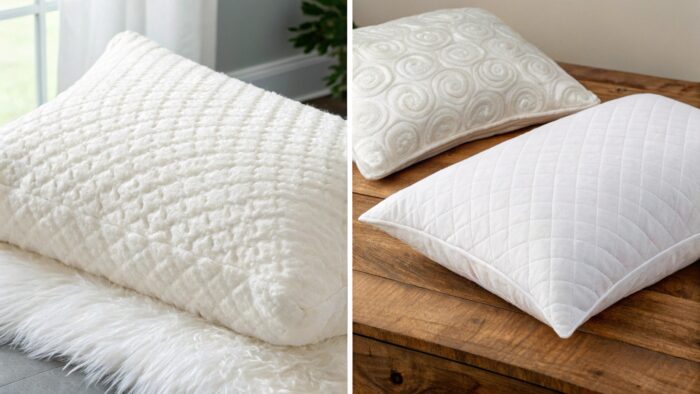
Finding the right pillow can be life-changing. The right support impacts your spinal alignment, sleep quality, and even your mood. Among the top contenders—feather, memory foam, and latex pillows—each offers unique benefits and drawbacks. Choosing the right one isn’t just about comfort; it’s about science-backed sleep health.
Feather Pillows: Classic Comfort with Caveats
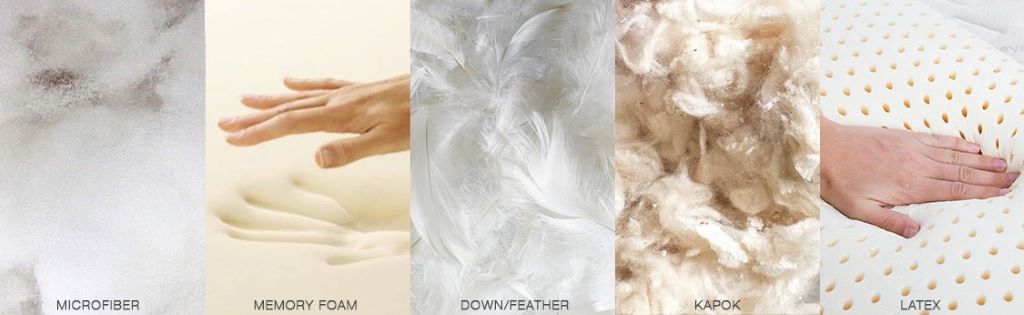
Feather pillows are often associated with luxury and softness. They’re filled with the outer feathers of ducks or geese, sometimes blended with down for added plushness. These pillows have been around for centuries—and for good reason.
Feather pillows are highly moldable, which means they contour to your neck and head with ease. If you like to fluff your pillow to find the right shape, feather pillows give you that flexibility. They’re also breathable, making them a solid choice for hot sleepers.
However, they’re not perfect. Feather pillows tend to lose their loft over time. Without regular fluffing, they flatten out, reducing support. A 2023 consumer sleep study from the Sleep Foundation showed that 39% of feather pillow users reported needing to replace their pillows every 6 to 12 months.
Feathers can also poke through the fabric casing, which some sleepers find irritating. Additionally, people with allergies might react to the natural material, even if it’s sterilized.
Pros of Feather Pillows:
- Moldable and shape-adjustable
- Breathable and lightweight
- Often more affordable
Cons:
- Can trigger allergies
- Require regular fluffing
- Shorter lifespan
Memory Foam Pillows: Support That Remembers
Memory foam pillows are made from viscoelastic polyurethane. Originally developed by NASA, this material reacts to body heat and pressure. The result? A contoured fit that cradles your neck and head.
Sleep experts often recommend memory foam for those with neck pain or spinal alignment issues. According to a 2022 Harvard Health article, memory foam can help reduce pressure points and promote proper neck support during sleep.
These pillows come in two forms: solid and shredded. Solid memory foam offers firm, consistent support, while shredded memory foam allows for moldability and better airflow.
Despite the support benefits, memory foam has a few drawbacks. Some users report off-gassing—a chemical smell that’s common in newly manufactured foam. Others find them too hot, although modern designs often incorporate cooling gels or ventilated foam to combat this.
Pros of Memory Foam Pillows:
- Excellent neck and head support
- Long-lasting durability
- Reduces motion transfer
Cons:
- Can retain heat
- Off-gassing smell
- Less moldable than feather or latex
Latex Pillows: Natural, Durable, and Hypoallergenic
Latex pillows, especially those made from natural latex, have surged in popularity for their combination of support and eco-friendliness. Derived from rubber tree sap, natural latex is both sustainable and resilient.
These pillows offer a firm but bouncy feel. They contour like memory foam but with quicker responsiveness. Latex resists sagging over time, maintaining its shape longer than feather or memory foam.
One major benefit? Latex is naturally hypoallergenic. It’s resistant to dust mites, mold, and bacteria—making it a great choice for allergy sufferers.
According to a 2023 report by the American Academy of Sleep Medicine, latex pillows ranked highest in long-term satisfaction, with 72% of users keeping the same pillow for over two years.
On the downside, latex pillows are heavier and less moldable. They also tend to be pricier, but for many, the durability justifies the investment.
Pros of Latex Pillows:
- Hypoallergenic and antimicrobial
- Excellent support and durability
- Environmentally friendly
Cons:
- Heavier and less adjustable
- More expensive
- May feel too firm for some
Featured Snippet Q&A:
What pillow type is best for neck pain—feather, memory foam, or latex?
If you’re dealing with chronic neck pain, memory foam and latex pillows are your best bets. Memory foam molds to the shape of your head and neck, offering targeted support. This reduces pressure points and helps align your spine. Latex pillows also provide excellent support but feel more buoyant, which some find more comfortable. Feather pillows, while soft and adjustable, often lose their shape and may not provide adequate neck support long-term. For best results, consider pillows with adjustable lofts and medium firmness to match your sleeping style.
Expert Tip: Side sleepers usually benefit from higher loft memory foam or latex pillows, while back sleepers do well with medium loft options. Stomach sleepers should use low-loft feather pillows—if at all—to avoid neck strain.
Real-World Comparisons and User Insights
Let’s say you’re a hot sleeper who tosses and turns. Feather might feel cool, but won’t offer the support needed. A shredded memory foam or ventilated latex pillow provides both airflow and structure.
If you’re eco-conscious, latex stands out. Brands like Avocado and Saatva offer organic latex pillows that are sustainably sourced and chemical-free.
On a tight budget? Feather pillows are affordable and widely available. But if you want durability, spending a little more on latex or memory foam pays off in the long run.
FAQs
- Are memory foam pillows safe for long-term use?
Yes, especially CertiPUR-US® certified ones. They’re free from harmful chemicals and safe for nightly use. - Do latex pillows smell?
Natural latex may have a mild, earthy smell, but it’s not harmful and usually fades within days. - Can feather pillows cause allergies?
Yes. Even sterilized feathers can cause reactions in sensitive individuals. - Which pillow type lasts the longest?
Latex pillows typically last 3–5 years, outlasting memory foam (2–3 years) and feather (1–2 years). - Are there vegan alternatives to feather pillows?
Yes, memory foam and synthetic down alternatives offer similar softness without animal products. - Do memory foam pillows sleep hot?
Some do. Look for models with cooling gel, breathable covers, or ventilation channels. - Can I wash these pillows?
Feather pillows can be machine-washed carefully. Memory foam and latex should be spot-cleaned only.
Final Thought: What’s Right for You?
Choosing between feather, memory foam, and latex pillows boils down to sleep style, budget, and health considerations. If you prioritize moldability and lightness, go feather. If you need firm support with pressure relief, opt for memory foam. And if you want something durable, eco-friendly, and hypoallergenic, latex is your winner.
Sleep isn’t one-size-fits-all. Test out what works for your body and preferences. Invest in a quality pillow—it’s not just a comfort accessory, it’s a tool for better living.
References:
- Sleep Foundation: https://www.sleepfoundation.org/best-pillows
- Harvard Health Publishing: https://www.health.harvard.edu
- American Academy of Sleep Medicine: https://aasm.org
Read More: