
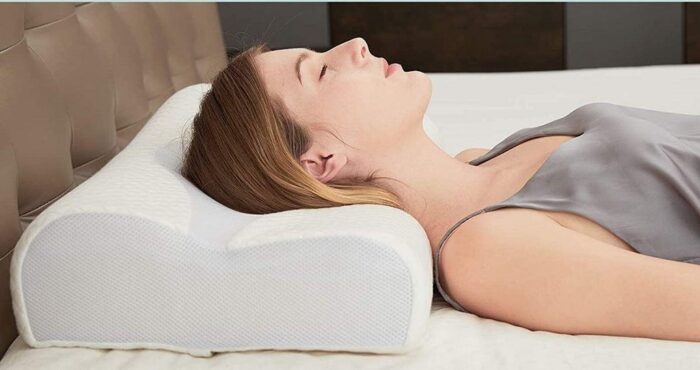
Sleep quality doesn’t just depend on your mattress—it hinges heavily on your right pillow . Most people don’t realize that using the wrong pillow for their sleeping position can lead to chronic neck pain, poor spinal alignment, and even insomnia. Whether you’re a side, back, or stomach sleeper, your pillow needs to support your natural posture and help you wake up refreshed.
Why Sleeping Position Matters
Your preferred sleeping position determines the angle of your neck and spine overnight. A pillow that’s too high or too flat can throw your body out of alignment, causing stiffness or tension. According to a study by the American Chiropractic Association, over 70% of people report waking up with neck or shoulder discomfort due to improper pillow support. That’s a statistic you can’t ignore.
Each right pillow position demands a specific kind of support:
- Side sleepers need a pillow that fills the gap between the head and shoulder.
- Back sleepers benefit from a thinner pillow that supports the neck’s natural curve.
- Stomach sleepers require the flattest pillow—or no pillow at all—to avoid neck strain.
Let’s explore each sleeping style in depth and how to choose the right pillow for optimal comfort and spinal health.
Side Sleepers: The Most Common Position

Over 60% of adults sleep on their sides, according to the Sleep Foundation. This position is often recommended by doctors for reducing snoring, improving digestion, and even minimizing acid reflux. But it also puts the most space between the head and the mattress.
What to Look For:
- Loft: Medium to high
- Firmness: Medium-firm
- Shape: Contoured or gusseted edge
A high-loft pillow supports the head while keeping the spine straight. A firmer fill helps prevent your head from sinking too deep, which can bend the neck. Memory foam and latex pillows are ideal due to their contouring support. A cutout for the shoulder, like in some orthopedic pillows, can also reduce pressure and align the spine.
Expert Tip: Use a body pillow for leg and hip support to reduce lower back strain.
Back Sleepers: The Balanced Sleep Style
Back sleeping evenly distributes your body weight and naturally aligns the spine. However, it can still cause neck problems if your pillow isn’t supportive. According to Harvard Health, back sleepers are more prone to sleep apnea if the head is too elevated.
What to Look For:
- Loft: Low to medium
- Firmness: Soft to medium
- Shape: Cervical or ergonomic design
The ideal pillow for a back sleeper cradles the neck’s natural curve. Cervical pillows are designed to support both the head and neck, reducing muscle strain and promoting better airflow. Memory foam is a great material because it molds to your shape without flattening.
Expert Tip: Avoid super-thick pillows. They tilt your head forward and restrict breathing.
Stomach Sleepers: The Risky Position
Only about 7% of adults sleep on their stomach, but this position can wreak havoc on the neck and spine. Since your head turns to one side all night, the risk of strain increases significantly.
What to Look For:
- Loft: Low or ultra-flat
- Firmness: Soft
- Shape: Slim profile or adjustable fill
A pillow that’s too thick forces your neck into an unnatural angle. A flat pillow—or sometimes no pillow at all—is often best. Soft, down-filled pillows work well because they compress easily. Adjustable fill pillows allow you to customize the height for minimal neck torque.
Expert Tip: Place a thin pillow under your stomach to prevent lower back sagging.
Materials Matter Too
Don’t overlook the fill. Each material offers different levels of support, airflow, and durability.
- Memory foam: Excellent support and pressure relief but may trap heat.
- Latex: Naturally cooler and hypoallergenic with a responsive feel.
- Down or feather: Luxuriously soft but lacks firm support.
- Polyfill: Budget-friendly and washable but compresses quickly.
Choose a pillow with breathable materials and a washable cover to extend its lifespan. Temperature-regulating fabrics like bamboo or cooling gel layers can improve comfort during hot nights.
Featured Snippet:
What’s the Best Pillow for Each Sleeping Position?
The best pillow depends on your sleeping style. Side sleepers need a high, firm pillow to support the neck and keep the spine aligned. Back sleepers benefit from a medium-loft pillow that gently supports the neck curve. Stomach sleepers should use a low-loft or flat pillow to avoid neck strain. Always consider the pillow’s firmness, loft, and material. Memory foam and latex are great for support, while down works best for stomach sleepers. Choosing the wrong pillow can cause long-term neck or spine issues, so tailor your choice to your natural sleep posture.
Common Mistakes to Avoid
Many people keep their pillows for too long. Experts recommend replacing pillows every 18 to 36 months, depending on the fill type. A good test? Fold it in half. If it doesn’t bounce back, it’s time for a new one.
Don’t buy a pillow just because it’s labeled “orthopedic” or “cooling.” Those terms are often marketing fluff unless backed by design and materials. Always test the pillow if possible or buy from retailers offering trial periods.
Real-World Example
Lisa, a 42-year-old marketing executive, struggled with chronic neck pain for years. She tried everything from massage therapy to new mattresses. Nothing worked—until she switched to a cervical pillow designed for back sleepers. Within two weeks, her pain was significantly reduced. Like Lisa, many people blame the wrong things when the true issue is their pillow.
FAQs About Picking the Right Pillow
How often should I replace my pillow?
Every 1.5 to 3 years, depending on material and condition.
Can the wrong pillow cause headaches?
Yes. Poor neck support can lead to tension headaches.
Is memory foam good for hot sleepers?
Standard memory foam retains heat. Look for ventilated or gel-infused options.
What’s the best pillow for neck pain?
A contoured cervical pillow offers the best neck support, especially for back and side sleepers.
Do adjustable pillows really work?
Yes, they let you customize loft and firmness for your comfort.
Should kids use the same pillows as adults?
No. Children need smaller, softer pillows designed for their proportions.
How can I clean my pillow?
Check the label. Most synthetic pillows are machine-washable. Foam pillows usually need spot cleaning.
Final Thought
Picking the right pillow isn’t just about comfort—it’s about protecting your health. Whether you’re a side, back, or stomach sleeper, your pillow plays a critical role in your spinal alignment, sleep quality, and overall well-being. With the right fit, you’ll not only wake up refreshed but also prevent long-term aches and posture problems. Don’t settle for one-size-fits-all. Invest in a pillow tailored to your sleeping style, and your body will thank you every morning.
Read More Also: Trending Pillows Styles
References: