

We spend roughly one-third of our lives sleeping, yet few of us think about what we’re sleeping on. While sheets and mattresses get plenty of attention, pillows are often neglected. The question is, how often should you change your pillow? Experts across sleep science, dermatology, and health care have clear—and often surprising—answers.
Why Your Pillow Matters More Than You Think
Pillows aren’t just about comfort. They play a crucial role in spinal alignment, breathing, and skin health. Over time, pillows collect sweat, skin cells, oil, allergens, dust mites, and even mold. According to the Asthma and Allergy Foundation of America, pillows can double in weight within two years due to absorbed debris and dust mite droppings.
All this buildup doesn’t just sound gross—it can cause or exacerbate allergies, acne, asthma, and neck pain. If you’re waking up with headaches, neck stiffness, or itchy eyes, your old pillow might be the culprit.
The Expert Consensus: How Often Should You Change Your Pillow?
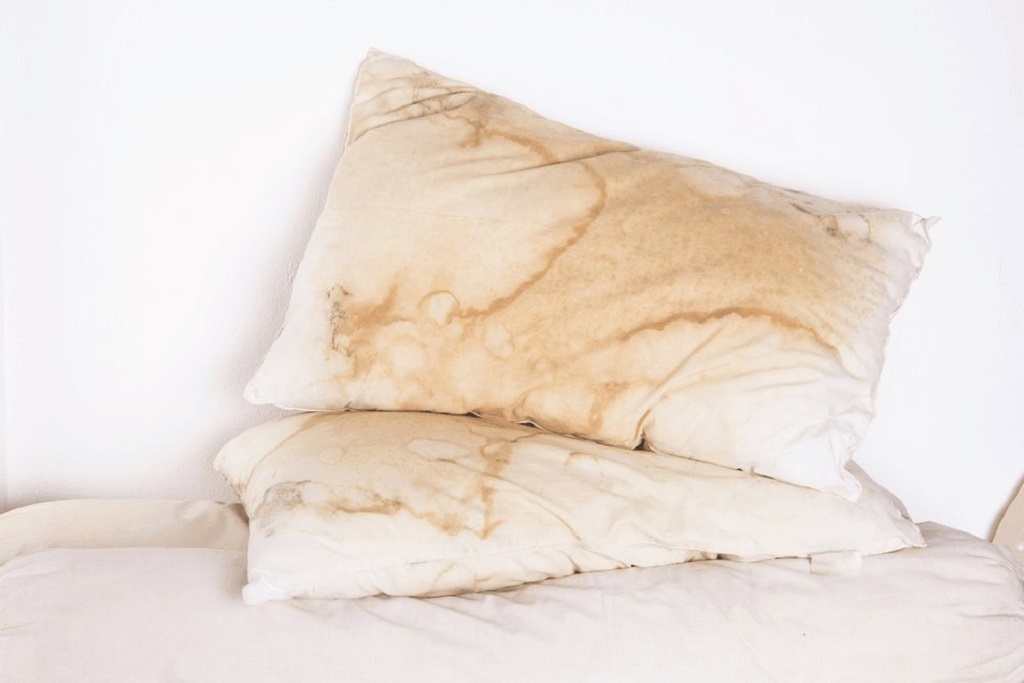
So, how often should you change your pillow? Most sleep experts agree: every 1 to 2 years.
Dr. Michael Breus, a clinical psychologist and board-certified sleep specialist known as “The Sleep Doctor,” advises replacing pillows every 18 months. He notes that even high-quality pillows wear out and lose their support over time. “If your pillow doesn’t spring back when folded, it’s time to toss it,” Breus says.
Memory foam and latex pillows may last up to 2-3 years, but regular fluff pillows—especially polyester—break down faster. As a general rule:
- Down/feather pillows: Every 1–2 years
- Memory foam: Every 2–3 years
- Polyester: Every 6 months to 1 year
- Latex: Every 2–4 years
What Happens If You Don’t Change Your Pillow?
Failing to replace your pillow regularly can have consequences beyond a restless night. An old pillow loses its shape, leading to poor head and neck alignment. This misalignment often results in muscle strain, stiffness, and headaches. Worse, old pillows harbor allergens and bacteria. According to a 2020 study by the National Institutes of Health, pillows were found to be hotspots for bacterial and fungal growth—particularly Aspergillus fumigatus, which can aggravate respiratory issues.
Dermatologists warn about the skin impact too. Dirty pillowcases and pillows can clog pores and trigger breakouts. Dr. Whitney Bowe, a New York-based dermatologist, highlights that pillow cleanliness is critical for acne-prone individuals.
Signs It’s Time to Replace Your Pillow
Even if your pillow doesn’t look worn out, your body will send warning signals. Watch for these signs:
- You wake up with neck or shoulder pain.
- You have trouble getting comfortable at night.
- You notice more sneezing or allergy symptoms.
- Your pillow smells musty or has yellow stains.
- It’s no longer fluffy and doesn’t hold its shape.
A quick test? Fold your pillow in half. If it doesn’t spring back immediately, it’s time to replace it.
Hygiene Habits That Extend Pillow Life
While pillows do have a shelf life, proper care can stretch their usability. Always use a zippered pillow protector, which acts as a barrier against sweat and mites. Wash it every two weeks and wash your pillow itself at least every 3 months, depending on the material. According to Consumer Reports, washing and drying a pillow properly can help reduce allergens by up to 80%.
Still, washing can’t reverse wear and tear or restore lost support. Think of it as maintenance, not a miracle cure.
Why Pillow Materials Make a Difference
The type of pillow you choose determines how long it will last—and how hygienic it stays. For instance, latex and memory foam are naturally resistant to dust mites and mold, making them better for allergy sufferers. However, they can retain heat, which affects sleep quality for hot sleepers.
Feather and down pillows offer softness but are harder to clean and tend to flatten over time. Synthetic fills like polyester are cheap but often need replacing within a year.
Before buying a new pillow, consider your sleep position, preferences, and health needs. Back and side sleepers require more loft and support, while stomach sleepers benefit from thinner options.
Real-World Examples and Consumer Behavior
A 2023 survey by Sleep Foundation revealed that nearly 50% of adults wait more than 3 years to replace their pillows. Yet, those who replace their pillows every 1–2 years reported better sleep satisfaction and fewer allergy symptoms. One user shared that switching to a new latex pillow not only improved their neck pain but also helped reduce skin breakouts—an unexpected bonus.
Pillow companies like Coop Home Goods and Casper now offer personalized pillows and subscription reminders to replace inserts annually. This reflects growing consumer awareness and demand for sleep hygiene.
Featured Snippet: How Long Should You Keep a Pillow?
You should change your pillow every 1 to 2 years, according to sleep and health experts. Over time, pillows lose their support and become breeding grounds for allergens like dust mites and mold. The exact timing depends on the pillow type—latex and memory foam last longer than polyester or feather options. If you experience neck pain, allergy symptoms, or see stains, it’s likely time for a replacement. For maximum hygiene, use a pillow protector and wash both the protector and pillow regularly. A well-maintained pillow not only supports better sleep but also contributes to healthier skin and breathing.
Pro Tips from the Experts
- Use pillow protectors: Drastically reduces buildup of allergens and sweat.
- Rotate your pillows: If you own multiple, rotate their use weekly to reduce wear.
- Air out your pillows: Let them breathe in sunlight monthly to reduce bacteria.
- Follow care labels: Washing instructions matter, especially for memory foam.
These simple habits can make a noticeable difference in pillow lifespan and your overall sleep health.
FAQs
Can I wash my pillow instead of replacing it?
Yes, but washing doesn’t restore support. Replace when it loses shape or becomes discolored.
What’s the best type of pillow for allergies?
Memory foam or latex pillows are hypoallergenic and resist dust mites better than down or polyester.
How do I know if my pillow is causing neck pain?
If pain improves when sleeping without it or with a new one, your old pillow is likely the problem.
Is it bad to keep a pillow for more than 2 years?
Only if it still provides support and passes cleanliness tests. Otherwise, it’s a health risk.
How often should you wash a pillowcase?
At least once a week. If you sweat heavily or have acne-prone skin, wash it twice a week.
Do expensive pillows last longer?
Not always. Quality matters more than price. Some premium pillows still break down quickly.
Can old pillows cause acne?
Yes, especially if they harbor bacteria or oil. Regular cleaning and replacement are essential for clear skin.
Read More Also: Breakthrough Pillow Technologies
Final Thought
Neglecting your pillow could be quietly sabotaging your sleep and health. While the mattress gets all the glory, the humble pillow is just as critical. Changing it every 1 to 2 years is a small habit with big returns—better rest, fewer allergies, and healthier skin. It’s time to stop sleeping on this important detail and upgrade your sleep hygiene.
Sources:
- Sleep Foundation
- American Academy of Dermatology
- Consumer Reports
- Asthma and Allergy Foundation of America
Let your pillow work for you, not against you. Sleep clean, sleep supported, and wake up feeling your best.