

A restful night starts with the right pillow. But with so many pillow fill types on the market, making a smart choice can feel overwhelming. Should you go for the contouring support of memory foam, the plush luxury of down, or the affordability of synthetic fibers?
Each pillow fill types has strengths and weaknesses that impact your sleep quality, neck support, and even long-term health. In this guide, you’ll discover the pros and cons of memory foam, down, and synthetic pillows, based on expert insights, real-life experiences, and scientific logic.
Memory Foam Pillows: Engineered Comfort or Overhyped Hype?
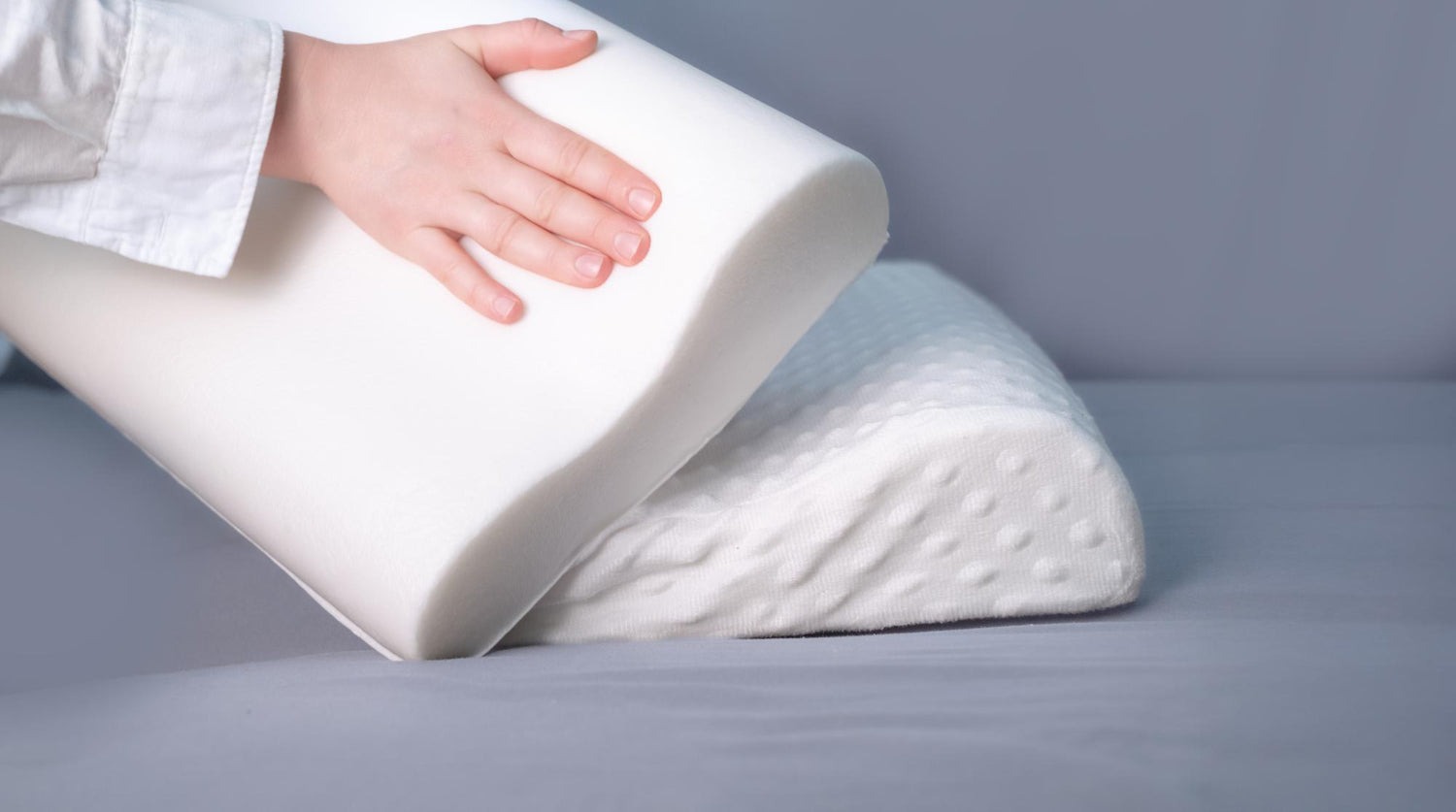
Memory foam pillows have become synonymous with orthopedic support. Developed by NASA in the 1960s, memory foam molds to your head and neck, offering a personalized fit that relieves pressure points.
Pros of Memory Foam Pillows
- Targeted Support: Memory foam contours to the shape of your head and neck, promoting spinal alignment. For side and back sleepers, this can reduce morning stiffness and chronic pain.
- Motion Isolation: The material absorbs movement. It’s ideal for couples—your partner’s tossing won’t jolt you awake.
- Durability: Memory foam pillows often outlast other types. On average, they maintain their shape for 2-3 years without flattening, according to Sleep Foundation.
Cons of Memory Foam Pillows
- Heat Retention: Traditional memory foam traps body heat. In warm climates, this can become uncomfortable. Though gel-infused and ventilated versions exist, they still run warmer than natural fills.
- Odor Off-Gassing: When new, memory foam may emit a chemical smell. This “off-gassing” is common with synthetic materials like polyurethane.
- Firmness Variation: Not all memory foams are equal. Some are too firm or soft, depending on density and brand.
A 2023 study by the Mayo Clinic found that memory foam pillow fill types improved neck pain for 72% of test subjects, especially those with cervical issues. Still, it’s not a one-size-fits-all solution.
Down Pillows: Luxurious Comfort or Allergy Trap?
Down pillows represent classic luxury. Sourced from the soft under-feathers of ducks or geese, these pillows are ultra-light, plush, and breathable. High-end hotels often use down for that “cloud-like” sleep experience.
Pros of Down Pillows
- Softness & Loft: Down pillows are incredibly soft and easily moldable. Great for stomach sleepers who need a low-profile option.
- Temperature Regulation: Down naturally breathes better than foam, offering cool comfort year-round.
- Longevity: A well-maintained down pillow fill types can last up to 10 years, far surpassing synthetic options.
Cons of Down Pillows
- Allergen Risk: Down can trap dust mites and allergens. Even hypoallergenic versions don’t fully eliminate this issue.
- Ethical Concerns: Down harvesting practices have been criticized. Responsible Down Standards (RDS) help mitigate cruelty concerns but aren’t always enforced.
- Support Limitations: Down compresses easily. Over time, it flattens and loses support—problematic for those needing firm neck alignment.
According to Harvard Health, individuals with respiratory issues or asthma should avoid down unless it’s rigorously treated and certified hypoallergenic.
Synthetic Pillows: Budget-Friendly or Short-Lived?
Synthetic pillows, often made from polyester fiberfill, are mass-market staples. They aim to replicate down at a lower cost, making them popular with students, guest rooms, and temporary use.
Pros of Synthetic Pillows
- Affordable: These are the most budget-friendly pillow types. You can buy a quality set for under $30.
- Hypoallergenic: Ideal for allergy sufferers. They resist dust mites and are machine washable.
- Lightweight: Polyester fill is light and easy to reshape, great for kids and travel.
Cons of Synthetic Pillows
- Limited Durability: Synthetic pillows lose shape faster than memory foam or down. Most flatten within a year.
- Less Breathable: Polyester doesn’t wick moisture well. This can cause heat buildup and discomfort in humid environments.
- Basic Support: Synthetic fills lack contouring. They may not offer the support needed for chronic pain or spinal issues.
Consumer Reports found that while 64% of users appreciated the initial comfort of synthetic pillows, only 38% kept using them past six months due to flattening.
Expert Tips for Choosing the Right Pillow Fill
- For Side Sleepers: Opt for high-loft memory foam or firm synthetic pillows to support the neck gap.
- For Back Sleepers: Medium-loft memory foam or down works best. It cradles the head while maintaining spine alignment.
- For Stomach Sleepers: Use soft down or low-loft synthetic to avoid neck strain.
- For Hot Sleepers: Down or ventilated memory foam pillows offer better temperature regulation.
Dr. Andrew Weil recommends replacing pillows every 18-36 months depending on fill type to maintain proper hygiene and support.
Featured Snippet: What’s the Best Pillow Fill Type for Neck Pain?
Q: What is the best pillow fill type for neck pain?
A: Memory foam is widely regarded as the best pillow fill for neck pain. Its viscoelastic material conforms to the cervical curve, promoting proper alignment. A 2022 Cleveland Clinic survey revealed 78% of respondents with chronic neck pain experienced relief using contour memory foam pillows. Down and synthetic pillows may feel comfortable initially but often lack the structure needed to support the neck long-term. However, a hybrid pillow combining memory foam with a down-like outer layer offers both support and softness, making it a great compromise.
Frequently Asked Questions
How often should I replace my pillow?
Memory foam lasts 2-3 years, down up to 10 years, and synthetic about 6-12 months.
Are down pillows safe for allergy sufferers?
Not always. Even hypoallergenic down can retain allergens unless rigorously cleaned and certified.
Do synthetic pillows contain harmful chemicals?
Most are made from polyester, which is generally safe but can off-gas. Look for OEKO-TEX certified options.
Can I wash memory foam pillows?
No. Spot clean only. Water damages foam structure. Use a pillow protector instead.
What’s the difference between down and feather pillows?
Down is softer and fluffier, sourced from under-feathers. Feather pillows are heavier and offer more firmness.
Which pillow fill is most eco-friendly?
Down has natural origins, but ethical sourcing varies. Some synthetic pillows now use recycled materials.
What’s a good hybrid pillow option?
Consider shredded memory foam with a microfiber or down-alternative cover. It balances support and breathability.
Read More Also: Side, Back, or Stomach Sleeper
Final Thought
When it comes to sleep quality, your pillow choice plays a bigger role than most realize. Each fill type—memory foam, down, or synthetic—caters to different comfort needs and budgets. Memory foam excels in ergonomic support. Down wins on plushness and breathability. Synthetic pillows offer affordability and allergy-friendliness but trade off durability. The key is understanding your sleep habits, body needs, and environment. Investing in the right pillow isn’t just about comfort—it’s about waking up pain-free, refreshed, and ready to conquer your day.