

A cooling pillow can transform your sleep quality, especially if you struggle with overheating or night sweats. But before rushing to buy one, understanding the nuances of cooling pillow technology and materials is crucial. This comprehensive guide dives deep into what you need to know before you buy a cooling pillow, blending expert insights with practical advice.
Why Consider a Cooling Pillow?
Sleep experts reveal that about 60% of adults report disrupted sleep due to overheating at night, a problem that cooling pillows aim to solve. When your body temperature stays regulated, your chances of deeper, uninterrupted sleep increase significantly. Cooling pillows use innovative materials and designs to wick away heat and moisture, ensuring you stay fresh and comfortable. However, not all cooling pillows are created equal.
Types of Cooling Pillows: Material Matters
Cooling pillows come in various materials, each offering distinct benefits. Memory foam pillows infused with gel beads or cooling gels have grown in popularity for their contouring support and heat-dissipating properties. Gel-infused memory foam evenly distributes heat away from your head and neck, preventing that trapped heat feeling common with traditional memory foam.
Alternatively, natural materials like shredded latex and buckwheat hulls provide excellent airflow. Buckwheat pillows, for example, naturally conform to your shape but also allow air to circulate freely, preventing heat build-up. According to a Consumer Reports study, latex pillows tend to last longer and maintain their cooling properties better over time compared to synthetic options.
Cooling Technologies: Beyond Material
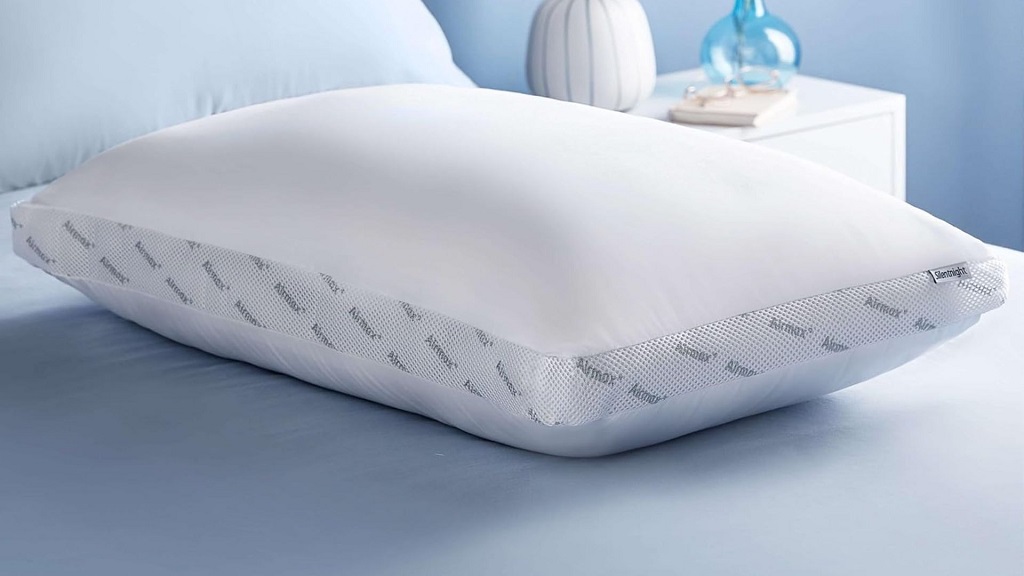
The latest cooling pillows incorporate advanced technologies such as phase change materials (PCM), which absorb and release heat to maintain an optimal sleeping temperature. PCM technology, often found in high-end models, works like a thermal battery, absorbing excess heat when you’re hot and releasing it when your body cools down. This adaptive cooling can improve comfort throughout the night.
Some brands use breathable, moisture-wicking covers made from bamboo or Tencel, which pull moisture away from the skin and dry quickly. According to sleep expert Dr. Michael Breus, a breathable pillow cover is just as important as the pillow core for temperature regulation.
What to Look for Before Buying
When evaluating cooling pillows, consider these critical factors:
- Support and Comfort: Cooling pillows must provide adequate neck and head support. An improperly supportive pillow can cause neck pain, regardless of its cooling benefits.
- Breathability: Check for ventilation holes, breathable fabrics, or shredded fillings that encourage airflow.
- Durability: High-quality materials like natural latex or gel-infused foam tend to last longer and maintain their cooling effect.
- Ease of Care: Removable and washable covers are essential to maintain hygiene and pillow freshness.
- Sleep Position: Side sleepers often benefit from firmer pillows, while back and stomach sleepers may prefer softer, flatter options.
- Allergies: Hypoallergenic materials and dust mite resistance can prevent allergy flare-ups.
Price vs. Performance: Finding the Sweet Spot
Cooling pillows vary widely in price, from affordable to luxury. While it might be tempting to buy the cheapest option, investing in quality can make a big difference. A study from Sleep Foundation suggests that mid to high-end cooling pillows offer better longevity and sustained comfort. However, if budget is a concern, pillows with cooling covers or shredded memory foam can be excellent affordable choices.
Real Opinions from Users and Experts
User reviews often highlight the immediate relief cooling pillows provide on hot nights. Yet, some users mention that pillows lose their cooling effect after prolonged use. Experts recommend rotating or fluffing pillows regularly to maintain airflow and effectiveness. Additionally, some sleepers report that cooling pillows help reduce night sweats associated with menopause or anxiety, adding real health value beyond comfort.
Featured Snippet: What Should I Know Before Buying a Cooling Pillow?
Before buying a cooling pillow, consider your sleep position, pillow material, and cooling technology. Look for gel-infused memory foam or breathable natural fillings for heat dissipation. Ensure the pillow offers proper neck support and has a removable, washable cover. Cooling pillows with phase change materials adapt to your body temperature for optimal comfort. Reviews and expert advice suggest investing in quality for better durability and sustained cooling benefits.
Professional Tips for Buying Cooling Pillows
- Test in-store if possible: Feel the pillow’s firmness and breathability firsthand.
- Check return policies: Sleep preferences vary; a pillow with a trial period reduces risk.
- Pair with breathable bedding: For best results, use moisture-wicking sheets and blankets.
- Consider climate: Hot and humid areas benefit more from natural fiber cooling pillows.
- Maintain regularly: Clean pillow covers and air out pillows weekly to preserve cooling effects.
FAQs About Cooling Pillows
How long do cooling pillows last?
Most cooling pillows last between 2 to 4 years, depending on material and care. Gel-infused memory foam can degrade faster if not properly maintained.
Can cooling pillows help with night sweats?
Yes. Cooling pillows regulate temperature and wick moisture, helping reduce discomfort caused by night sweats.
Are cooling pillows suitable for all sleep positions?
Yes, but firmness and thickness should match your preferred sleep position for optimal support.
Do cooling pillows require special cleaning?
Many come with washable covers. The pillow core often requires spot cleaning or airing out; check manufacturer instructions.
Are natural cooling pillows better than synthetic ones?
Natural pillows like latex or buckwheat offer superior breathability and durability but may cost more.
What is the best cooling pillow material?
Gel-infused memory foam and phase change material pillows rank high for balancing cooling and support.
Can cooling pillows cause allergies?
Hypoallergenic options exist, but synthetic materials may trigger allergies in sensitive individuals.
Read More Also: How to Use a Buckwheat Pillow
Final Thought
Investing in the right cooling pillow is more than just beating nighttime heat. It’s about enhancing your overall sleep quality and waking up refreshed. Understanding the types of materials, technologies, and features can save you money and disappointment. When chosen wisely, a cooling pillow not only cools you down but supports your head and neck perfectly. This blend of comfort and temperature regulation creates a powerful recipe for restful, restorative sleep. Always remember that pairing your pillow choice with the right bedding and sleep environment completes the sleep upgrade. Choose smart, sleep cool, and wake up energized every day.