

Have you ever pulled a pillow from storage, only to find it covered in a fine layer of gray particles? That layer causes more problems than you think. Dust builds up on stored pillows over time. It harms health and shortens pillow life. This article looks at the effects of dust on stored pillows. You gain practical tips to protect your bedding.
What Is Dust and Why Does It Accumulate on Stored Pillows?
Dust exists everywhere in homes. It consists of tiny particles that float in the air and settle on surfaces. Stored pillows attract dust because they sit unused in closets or attics. Based on manufacturer guidelines, pillows in storage face constant exposure to these particles without regular cleaning.
Household dust forms from various sources. Skin cells shed from people and pets. Fibers break off from clothes and carpets. Pollen enters through windows. Dirt tracks in on shoes. These elements mix to create dust that lands on pillows.
Stored pillows provide ideal spots for dust to gather. Fabrics like cotton or polyester hold onto particles. Lack of airflow in storage areas lets dust settle undisturbed. Humidity adds to the issue by making dust stickier.
Composition of Household Dust
Experts identify key components in dust. Dead skin cells make up a large part. Pet dander contributes if animals live in the home. Pollen from plants outside adds seasonal spikes. Tiny fibers from textiles join the mix.
Insect parts appear in dust too. Mites break down and become particles. Soil from outdoors gets carried inside. Chemicals from household products linger in dust. According to industry experts, this combination creates a complex buildup on stored items.
Factors Leading to Dust Buildup in Storage
Location matters for dust accumulation. Closets near vents pull in more particles. Attics with poor seals allow outdoor dust to enter. Basements with moisture encourage mold, which mixes with dust.
Time in storage increases dust levels. A pillow stored for months collects more than one stored for weeks. Based on widely accepted industry standards, infrequent checks lead to heavier buildup. Movement in the home stirs up dust that resettles on stored items.
Pillow material affects dust attraction. Down pillows trap particles in feathers. Memory foam holds dust in its pores. Synthetic fills cling to static-charged dust. Professionals recommend considering material when planning storage.
Health Impacts of Dust on Stored Pillows
Dust on stored pillows poses health risks. People inhale particles when using affected pillows. This triggers allergies or worsens breathing problems. As recommended by professionals, regular inspection prevents these issues.
Allergies strike many users of dusty pillows. Sneezing starts soon after contact. Eyes water and itch. Skin breaks out in rashes. Dust mites thrive in accumulated dust, producing allergens.
Respiratory issues develop over time. Asthma symptoms flare up. Coughing increases at night. Sleep quality drops due to discomfort. According to industry experts, children and elderly face higher risks from dust exposure.
Allergies and Respiratory Issues
Dust mites cause major allergy problems. They feed on skin cells in dust. Their waste triggers reactions. Symptoms include runny nose and congestion.
Breathing dusty air irritates lungs. Fine particles enter airways. This leads to inflammation. People with conditions like COPD experience worse episodes. Based on manufacturer guidelines, clean pillows reduce these risks.
Long-term exposure builds sensitivity. Initial mild reactions grow stronger. Doctors note increased allergy cases linked to poor storage habits.
Skin Irritations and Other Effects
Dust touches skin during sleep. It causes dryness and itching. Bacteria in dust lead to infections. Acne worsens from clogged pores.
Eyes suffer from dust too. Particles cause redness and tearing. Headaches follow from poor sleep on dusty pillows. As recommended by professionals, sensitive individuals check storage often.
Immune systems weaken with constant exposure. Fatigue sets in. Mood changes occur due to disrupted rest. Industry standards stress the need for dust control in bedding.
Effects on Pillow Quality and Longevity
Dust damages pillows beyond health concerns. It breaks down materials. Pillows lose shape and comfort. Based on widely accepted industry standards, dust shortens useful life by years.
Particles grind into fabrics. This wears down fibers. Pillows flatten faster. Support decreases, leading to neck pain.
Odors develop in dusty pillows. Musty smells build from trapped moisture and particles. Stains appear as dust mixes with oils.
Material Degradation
Natural fills like down absorb dust. Feathers clump together. Loft reduces, making pillows lumpy.
Synthetic materials fare no better. Foam yellows and crumbles. Dust accelerates breakdown. According to industry experts, regular cleaning extends life.
Covers tear from dust abrasion. Seams weaken. Zippers clog with particles.
Odor, Stains, and Structural Damage
Bacteria grow in dust layers. They produce bad smells. Pillows become unusable without deep cleaning.
Stains form from dust and sweat mixing. Yellow spots appear. Dark marks show on light fabrics.
Structure suffers long-term. Pillows sag. Edges fray. Based on manufacturer guidelines, proper storage prevents these changes.
Related:
- Atsuwell Full Body Bath Pillow for Bathtub (51″ × 17″)
- What is a Microbead Pillow? Understanding the Comfort Trend
- Coop Home Goods Original Adjustable Pillow (Queen size)
How to Prevent Dust Accumulation in Stored Pillows
You control dust with smart habits. Start with clean pillows. Choose right storage spots. Check regularly. As recommended by professionals, these steps keep pillows fresh.
Clean before storing. Wash covers. Vacuum surfaces. Dry fully to avoid mold.
Select airtight containers. Use vacuum bags. Place in dry, cool areas.
Proper Storage Techniques
- Store in breathable bags for natural materials.
- Use plastic bins for synthetics.
- Elevate off floors to avoid ground dust.
- Label with dates for rotation.
Avoid damp spots. Basements flood easily. Attics heat up. Closets work best with doors closed.
Add silica packs. They absorb moisture. Cedar blocks repel insects that add to dust.
Cleaning Before and During Storage
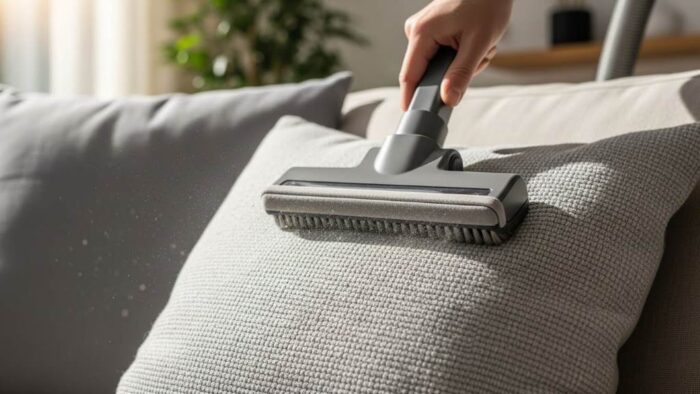
Vacuum pillows monthly. Use upholstery attachments. Spot clean stains.
Wash according to type. Machine for synthetics. Dry clean for down.
Air out pillows. Sunlight kills mites. Based on industry experts, this reduces dust mites by half.
Signs That Dust Has Affected Your Stored Pillows
Spot issues early. Look for visible dust layers. Feel for lumps.
Smell for mustiness. Check for discoloration.
Test comfort. Flat pillows signal damage.
Visual and Sensory Indicators
- Gray film on surfaces.
- Yellow stains on fabric.
- Musty or stale odors.
Touch reveals grittiness. Shake pillows; dust clouds mean problems.
Allergic reactions upon use confirm dust presence. According to widely accepted industry standards, these signs call for action.
Performance Changes
Pillows lose fluffiness. Neck support weakens. Sleep interruptions increase.
Noises occur from clumped fills. Based on manufacturer guidelines, replace if damage persists.
Cleaning Dust-Affected Pillows
Act fast on dusty pillows. Remove loose dust first. Vacuum thoroughly.
Wash if possible. Dry completely.
For deep cleans, use these steps:
- Vacuum both sides.
- Spot treat stains.
- Wash in machine on gentle.
- Dry on low heat.
- Fluff by hand.
Professionals suggest professional cleaning for delicate types. As recommended by professionals, avoid over-washing to prevent wear.
Use baking soda for odors. Sprinkle and vacuum after hours.
Steam clean for mites. High heat kills them.
Long-Term Strategies for Dust Management in Home Storage
Manage home dust overall. Vacuum floors weekly. Dust surfaces often.
Use air purifiers. They capture particles. Change filters regularly.
Seal windows. This blocks outdoor dust. Based on industry experts, HEPA filters work best.
Rotate stored items. Use pillows every few months. This prevents heavy buildup.
Organize storage. Group similar items. Label clearly.
Invest in quality covers. Zippered protectors block dust.
Monitor humidity. Keep under 50 percent. Dehumidifiers help.
Train family on habits. Close doors. Remove shoes inside.
The Role of Pillow Types in Dust Resistance
Different pillows resist dust variably. Memory foam repels somewhat. It lacks fibers for dust to cling.
Down attracts more. Feathers hold particles.
Latex offers natural resistance. It deters mites.
Based on manufacturer guidelines, choose based on storage needs.
Hypoallergenic options exist. They use treated fabrics.
Buckwheat hulls ventilate well. Dust settles less.
Environmental Factors Influencing Dust in Storage
Climate affects dust. Dry areas have more floating particles. Humid spots grow mold in dust.
Seasons change dust levels. Spring pollen boosts accumulation.
Home location matters. Urban homes face pollution dust. Rural ones deal with soil.
According to industry experts, adapt storage to your environment.
Ventilation helps. But too much stirs dust.
Insulation seals out external particles.
Cost Implications of Dust Damage to Pillows
Dust shortens pillow life. You replace sooner. Costs add up.
Poor sleep from dusty pillows affects health bills.
Cleaning supplies cost money. Professional services add expense.
Based on widely accepted industry standards, prevention saves cash.
Quality storage bins pay off. They protect investments.
Myths and Facts About Dust and Stored Pillows
Myth: Dust only affects allergies. Fact: It damages materials too.
Myth: Storage bags fully block dust. Fact: Seals wear out.
Myth: All pillows clean the same. Fact: Types need specific care.
As recommended by professionals, know facts for better choices.
Conclusion
Dust harms stored pillows in many ways. It triggers health issues and reduces quality. You prevent problems with proper storage and cleaning. Check your pillows today. Fresh bedding improves sleep. Take action now for better rest.
FAQs
What causes dust to build up on stored pillows?
Household particles like skin cells and fibers settle on unused pillows. Poor storage spots speed this process.
How does dust affect my health when using stored pillows?
It causes allergies, breathing issues, and skin problems. Mites in dust worsen symptoms.
Can I clean dusty pillows at home?
Yes. Vacuum first, then wash based on type. Dry fully.
What storage methods best prevent dust?
Use airtight bags or bins. Store in dry, cool places. Add moisture absorbers.
How often should I check stored pillows for dust?
Every 3-6 months. Rotate use to limit buildup.
Do certain pillow materials attract more dust?
Yes. Down and feather trap more. Foam and latex resist better.
What signs show dust has damaged a pillow?
Visible particles, odors, stains, and loss of shape.
Is professional cleaning necessary for dusty pillows?
For delicate types, yes. Home methods work for most.
How does humidity relate to dust on pillows?
High humidity makes dust stickier and promotes mold.
Can dust on pillows cause long-term damage?
Yes. It breaks down fills and shortens life.
References:
- https://www.epa.gov/indoor-air-quality-iaq/indoor-air-pollution-and-health – EPA on Indoor Air Quality
- https://www.sleepfoundation.org/bedding-information/how-to-clean-a-pillow – Sleep Foundation Pillow Cleaning Guide
- https://acaai.org/allergies/types/dust-allergy – American College of Allergy on Dust Allergies