

Your pillow is an essential item for ensuring a good night’s sleep, providing the much-needed support for your neck and head. But when was the last time you considered cleaning your pillow? It’s easy to forget that pillows need to be washed too, especially when they’re tucked away in pillowcases. Over time, they accumulate dust mites, sweat, oil, and other allergens. To keep your pillows fresh and hygienic, it’s important to establish a regular cleaning schedule. But how often should you wash your pillows, and what are the benefits and drawbacks of washing them frequently? In this article, we’ll explore how often you should wash your pillows, the pros and cons of regular washing, and answer some of the most common questions.
The Importance of Washing Your Pillows
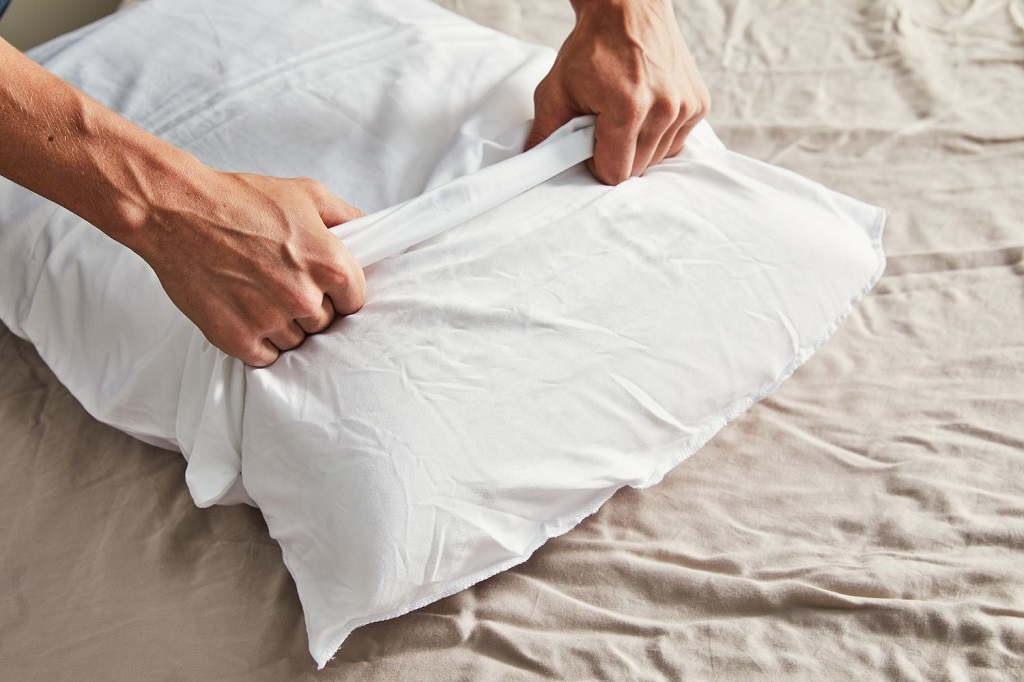
Before diving into the specifics of how often you should wash your pillows, it’s important to understand why it’s necessary to clean them regularly. Pillows are in constant use, and while we sleep, they absorb sweat, saliva, skin oils, dust, and dead skin cells. These substances can provide a breeding ground for bacteria, fungi, and dust mites. If not washed regularly, pillows can become a source of allergens and can even cause skin issues like acne or rashes. Furthermore, if you have respiratory conditions like asthma, regular washing can help minimize the accumulation of allergens that can irritate your lungs.
How Often Should You Wash Your Pillows?
The general recommendation is to wash your pillows every 3 to 6 months. However, several factors can influence this timeframe. Let’s break it down into different scenarios:
1. Pillow Type
The type of pillow you use plays a significant role in determining how often it should be washed.
- Feather and Down Pillows: These pillows need to be washed less frequently, generally every 6 months. They are more susceptible to clumping when washed too often. If you notice that they lose their fluff or develop odors, it may be time to clean them.
- Memory Foam Pillows: Memory foam pillows should not be washed in the same way as other types. They absorb water and may lose their shape if submerged. Instead of washing them, you should spot clean them and use pillow protectors to maintain their freshness. Clean them with a vacuum or by wiping them down with a damp cloth every few months.
- Synthetic Pillows: These pillows can be washed more frequently, generally every 3 to 6 months. They tend to be more durable and resistant to wear and tear than feather and down pillows.
2. Personal Hygiene Factors
If you sweat a lot at night, have oily skin, or tend to drool while you sleep, you may need to wash your pillow more frequently. People with allergies or respiratory conditions like asthma should also consider washing their pillows more often to minimize allergen buildup. In such cases, washing your pillows every 3 months is recommended.
3. Pillow Usage
If your pillow sees heavy use (e.g., if you frequently use it for lounging or reading in bed), it’s a good idea to wash it every 3 months. However, if you primarily use your pillow for sleeping and it stays relatively clean, washing it every 6 months should suffice.
4. Environmental Factors
If you live in a particularly humid or dusty environment, you may want to wash your pillows more often. Dust mites and mold thrive in warm, humid conditions, so frequent washing can help reduce the buildup of allergens and bacteria.
The Pros of Washing Your Pillows
- Improved Hygiene The primary benefit of washing your pillows is that it improves the overall hygiene of your bed. Clean pillows reduce the buildup of bacteria, sweat, dust, and dead skin cells, ensuring that your pillow remains a healthy place to rest your head.
- Reduction of Allergens Regularly washing your pillows helps eliminate dust mites and other allergens. This is particularly beneficial for people who suffer from allergies or asthma. Keeping pillows clean can help reduce sneezing, congestion, and other allergic reactions.
- Longer Pillow Lifespan Washing your pillows properly and on a regular basis can help extend their lifespan. Removing oils, dirt, and dust will prevent the materials from breaking down prematurely, allowing your pillow to retain its fluff and support.
- Better Sleep Quality Fresh, clean pillows contribute to better sleep hygiene. Sleeping on a clean pillow helps create a more comfortable and restful sleep environment. This is especially important if you have sensitive skin or are prone to acne.
- Prevention of Unpleasant Odors Pillows can accumulate moisture from sweat and saliva, leading to unpleasant odors. Regular washing helps eliminate these odors and ensures your pillow smells fresh.
The Cons of Washing Your Pillows
- Time-Consuming Washing pillows can be time-consuming, especially if you have multiple pillows. It involves removing the pillowcases, cleaning the pillows, and then drying them thoroughly to prevent mold and mildew growth. This process may take several hours, depending on the type of pillow.
- Risk of Damage Some pillows, especially down and memory foam pillows, can be damaged during the washing process. Down pillows can lose their fluff and shape, while memory foam can break down if submerged in water. Improper washing can also affect the pillow’s support and comfort.
- Not All Pillows Are Machine Washable Certain pillows, like memory foam or latex, are not suitable for machine washing. For these types of pillows, you must rely on spot cleaning or vacuuming. This limitation means you’ll have to find alternative ways to keep them clean.
- Frequent Washing May Not Be Necessary For many people, washing pillows more than once or twice a year may not be necessary. If your pillow stays in a protective pillowcase, you may not need to wash it as often. Over-washing pillows can also wear them out faster, reducing their lifespan.
Best Practices for Washing Your Pillows
Now that you know how often you should wash your pillows, here are some best practices to follow to ensure that your pillows stay clean without being damaged:
- Use a Pillow Protector: Pillow protectors are a great way to keep your pillow clean between washes. They act as a barrier to sweat, oils, and dust, making it easier to maintain cleanliness.
- Read the Care Labels: Always check the care instructions on your pillow’s label before washing it. Some pillows require specific cleaning methods, such as spot cleaning or dry cleaning.
- Wash Two Pillows at Once: If you’re washing more than one pillow, balance the load in your washing machine to avoid uneven wear. Washing two pillows at once will also help maintain their shape.
- Use a Gentle Detergent: Opt for a mild, gentle detergent to prevent any harsh chemicals from damaging your pillows. Avoid using fabric softeners, as they can leave residues on the pillow.
- Dry Thoroughly: Always dry your pillows thoroughly to avoid mold and mildew growth. Use a low heat setting on your dryer and add a few clean tennis balls or dryer balls to help fluff up the pillows. Make sure they are completely dry before using them again.
- Spot Clean When Necessary: For memory foam or latex pillows, spot cleaning is often the best option. Use a small amount of mild detergent and warm water to clean stains, and always let the pillow dry completely before using it again.
FAQs About Washing Pillows
Q1: Can I wash my down pillows?
Yes, you can wash down pillows, but they require special care. It’s best to wash them on a gentle cycle in warm water and dry them on low heat. Use a mild detergent and consider adding tennis balls to the dryer to help fluff them back into shape.
Q2: How do I wash memory foam pillows?
Memory foam pillows should not be submerged in water. Instead, spot clean them with a damp cloth and mild detergent. You can vacuum them using the upholstery attachment to remove dust and dirt.
Q3: Can I put pillows in the dryer?
Yes, you can put most pillows in the dryer, but be sure to use a low heat setting to avoid damage. Adding tennis balls or dryer balls will help fluff the pillows as they dry.
Q4: How do I know if my pillow needs to be replaced?
If your pillow is flat, lumpy, or has a persistent odor that doesn’t go away after washing, it may be time to replace it. Pillows typically last 1-2 years before they need replacing.
Q5: Can I wash my pillowcase less often than my pillow?
Yes, pillowcases should be washed more frequently than pillows since they are directly in contact with your skin. Aim to wash pillowcases every 1-2 weeks to maintain good hygiene.
Conclusion
In conclusion, washing your pillows every 3 to 6 months is a good rule of thumb, but several factors like pillow type, personal hygiene, and environmental conditions can affect how often you should clean them. Regular cleaning is essential for maintaining hygiene, reducing allergens, and prolonging the life of your pillow. While there are some drawbacks to frequent washing, the benefits far outweigh them. By following the best practices outlined in this article, you can ensure your pillows remain fresh and comfortable for years to come.