
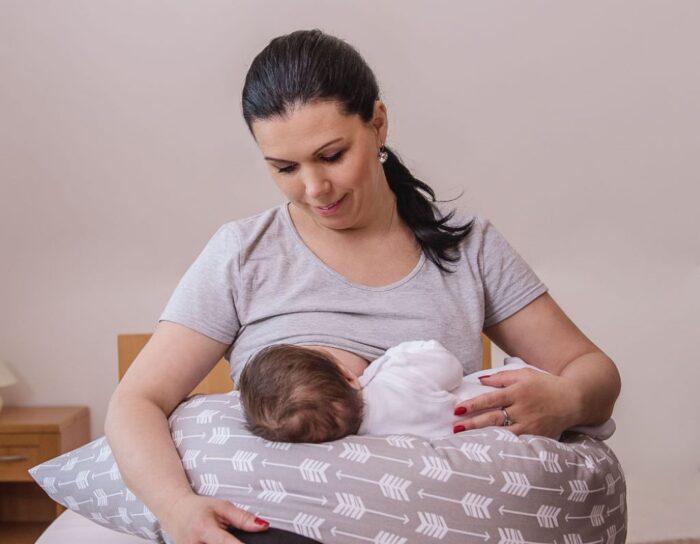
Bringing a newborn home is one of the most beautiful experiences in life. However, it also comes with challenges that nobody fully prepares you for. Breastfeeding is one of them. It looks simple from the outside, but finding a comfortable position for both mom and baby takes real effort. Your arms get tired. Your back starts to ache. Your baby shifts and loses a good latch. Within a few days, feeding sessions can feel more exhausting than they should.
The good news is that a breastfeeding pillow can change everything. It lifts your baby to the right height. It supports your arms and keeps your back from hunching. Most importantly, it helps your baby latch more easily. When searching for the Best breastfeeding pillow for your needs, the choices can feel overwhelming. There are dozens of shapes, sizes, and fill types on the market. Therefore, this guide will walk you through exactly what to look for, so you can make a confident choice for you and your baby.
Why a Breastfeeding Pillow Matters More Than You Think
Many new moms assume a regular bed pillow will do the job. In practice, that rarely works well. Standard pillows are not designed to hold a baby securely. They shift around, flatten out quickly, and do not wrap around your body for a stable fit.
A proper nursing pillow is shaped to sit around your waist. It brings your baby up to breast level without you having to hold them up with your arms. This small adjustment makes a significant difference over time. Breastfeeding sessions can last anywhere from 10 to 45 minutes. Holding your baby’s full weight without support during that time strains your neck, shoulders, and lower back.
According to the World Health Organization, the WHO recommends exclusive breastfeeding for the first six months of a baby’s life. That is a long time to feed without proper support. Additionally, poor positioning during breastfeeding is one of the most common reasons for latch problems and nipple pain. A nursing pillow helps correct positioning right from the start.
Furthermore, a good breastfeeding pillow also benefits the baby. It keeps them in a slightly elevated position, which can reduce gas and spit-up after feeding. Therefore, investing in the right pillow early on supports both mom’s comfort and the baby’s digestion.
Key Features to Look for in a Breastfeeding Pillow
Not all nursing pillows are built the same. Knowing which features matter most helps you avoid spending money on something that does not work for your body or your baby’s needs.
Here are the most important features to consider:
- Shape and design: Crescent-shaped pillows wrap around the waist and stay in place well. Horseshoe-shaped options are popular for twins or larger babies. Wedge-style pillows are compact and great for travel.
- Firmness: A pillow that is too soft will compress under the baby’s weight. This defeats the purpose. Look for a firm, dense foam or a tightly packed fill that holds its shape throughout a full feeding session.
- Size and fit: The pillow should fit snugly around your waist. If you are petite or plus-sized, check whether the brand offers different size options. A poor fit means the pillow shifts, and your baby ends up unsupported.
- Cover material: Babies have sensitive skin. Choose a pillow with a soft, breathable cover made from organic cotton or bamboo fabric. Removable and machine-washable covers are a must for easy cleaning.
- Versatility: Some nursing pillows double as tummy time supports and infant positioners. This adds long-term value beyond just the breastfeeding stage.
Taking time to check these features before buying saves a lot of frustration later.

The Best Fill Types for Nursing Pillows
The inside of a breastfeeding pillow matters just as much as the outside. Different fill materials offer different levels of support and durability. Here is what you need to know:
Memory foam is a top choice for many nursing moms. It molds slightly to the shape of the baby while still holding firm. It does not flatten over time the way fiber fill can. However, some memory foam pillows can be warm, so look for ventilated or cooling foam versions.
Polyester fiberfill is the most common and budget-friendly option. It is soft and lightweight, but it tends to compress with use. You may find yourself fluffing it regularly to maintain the right height. Despite this, many moms find it perfectly comfortable for the early months.
Shredded foam or latex is a great middle-ground option. It offers the responsiveness of foam without the heat retention. Some pillows with shredded fill also allow you to adjust the amount inside, which is helpful for getting the exact loft and firmness you need.
Organic fill options, such as natural latex or organic cotton batting, are worth considering if you prefer chemical-free materials close to your baby. Many certified organic nursing pillows carry GOTS or OEKO-TEX certification, which means the materials have been tested and verified as safe.
Choosing the right fill depends on how long you plan to use the pillow, your budget, and whether you or your baby tend to overheat during feeds.
How to Use a Breastfeeding Pillow Correctly
Even the best pillow will not help if you are not using it properly. Many new moms make the same simple mistakes in the beginning.
I remember when my sister brought her first baby home. She had a well-reviewed nursing pillow, but she kept placing it too low on her lap. As a result, she still had to lean forward to bring the baby to her breast. Within a week, she had a sore lower back and sore nipples from a poor latch. Once she adjusted the pillow so it sat snugly at her waist and belly button level, everything improved quickly.
Here is how to get the most out of your nursing pillow:
- Place the pillow around your waist so the flat edge presses against your stomach.
- Fasten any strap or buckle if the pillow includes one.
- Lay your baby on the pillow with their belly facing your belly.
- Make sure the baby’s mouth is level with your nipple without you having to hunch forward.
- Use your free hand to support the baby’s head during the latch.
- Keep your shoulders relaxed and your back straight throughout the feed.
If the pillow sits too low, place a folded blanket underneath it to raise the height. Small adjustments can solve most comfort problems quickly.
Breastfeeding Pillow Safety Tips Every New Mom Should Know
Safety is always the top priority when any product is used near a newborn. Nursing pillows are generally very safe during feeding, but there are important rules to follow.
According to the American Academy of Pediatrics, babies should never be left unsupported or unattended on a nursing pillow. These pillows are designed for use during active feeding sessions only. They are not meant for sleep surfaces or prolonged lounging without parental supervision.
Additionally, here are a few safety practices to keep in mind:
- Never leave your baby sleeping on a nursing pillow. The soft, raised surface is not a safe sleep environment.
- Always keep one hand on your baby during the feed, even when the pillow is providing support.
- Check the pillow regularly for wear, loose seams, or damaged covers that could become a hazard.
- Wash the cover frequently to keep the surface hygienic for your baby.
- Avoid pillows with decorative buttons, ties, or small embellishments that could detach and pose a choking risk.
Following these simple guidelines keeps your baby safe while you both enjoy the benefits of a comfortable feeding routine.
Frequently Asked Questions
When should I start using a breastfeeding pillow?
You can start using a nursing pillow from the very first day you begin breastfeeding. Many lactation consultants recommend having one ready before the baby arrives.
Can I use a regular pillow instead of a nursing pillow?
You can try, but regular pillows tend to shift and flatten too quickly. A dedicated nursing pillow is shaped and firm enough to provide consistent support throughout each feeding session.
Are breastfeeding pillows useful for bottle feeding too?
Yes. A nursing pillow works just as well for bottle feeding. It lifts the baby to a comfortable height and reduces arm strain during feeds, regardless of how the baby is being fed.
How long will I use a breastfeeding pillow?
Most moms use a nursing pillow for the first three to six months. However, many pillows can be repurposed as tummy time supports and sitting aids as the baby grows, extending their useful life.
Is it safe for my baby to nap on a nursing pillow?
No. Nursing pillows are not designed or approved as sleep surfaces. Always move your baby to a firm, flat sleep area after a feeding session ends.
Conclusion
Choosing the right breastfeeding pillow is one of the best investments a new mom can make. It protects your posture, reduces arm and back strain, and helps your baby achieve a comfortable latch. The key is to focus on firmness, shape, cover material, and fit. Take advantage of any return or trial policy when you can. Your body will thank you after those long middle-of-the-night feeding sessions.
Breastfeeding is already hard work. The right pillow makes it a little easier and a lot more comfortable. You deserve that support, and so does your baby.
If this guide helped you, please share it with another new mom or parent-to-be who could use the advice. And if you have a nursing pillow you love, or a tip that worked for you, leave a comment below. We would love to hear your experience.