

Comfort plays a bigger role in intimacy than most people talk about openly. When your body is strained, tense, or awkwardly positioned, it is hard to relax and be present. Discomfort during intimate moments is more common than you might think. Many couples quietly deal with back pain, hip tension, or joint strain that gets in the way of a fulfilling experience. The problem is rarely talked about, which means many people never find a real solution.
Position pillows are a simple, practical answer to this problem. They are specially designed to support the body during intimate activity. They reduce strain on the back, hips, knees, and neck. They help couples find angles and positions that feel comfortable without requiring unusual flexibility or strength. When exploring position pillows for intimacy, it is worth understanding what makes one pillow better than another. Therefore, this guide covers everything you need to know, from shape and firmness to materials and safety, so you can choose with confidence.
Why Position Pillows Make a Real Difference
Many couples assume that discomfort during intimacy is just something they have to live with. However, that is not true. Physical discomfort during sex is a real and common issue. According to a study published in the Journal of Sexual Medicine, approximately 30 percent of women report pain during sexual activity. For men, lower back strain and hip discomfort are frequently reported as well.
A position pillow addresses these issues by supporting the body in a lifted, angled, or cushioned position. This changes the geometry of how bodies come together. It reduces pressure on joints and soft tissue. It also allows for deeper relaxation because the body does not have to work as hard to maintain a position.
Additionally, position pillows benefit people with specific health conditions. Those dealing with chronic back pain, arthritis, hip replacements, or pelvic floor issues often find that intimacy becomes more accessible with the right support. Physical therapists and sexual health professionals increasingly recommend positioning aids as part of a broader approach to wellness.
Furthermore, these pillows are not just about managing pain. They can also add variety and novelty to a relationship. Trying a new supported angle or position is a simple way to refresh intimacy without anything complicated or uncomfortable.
Understanding the Different Shapes of Position Pillows
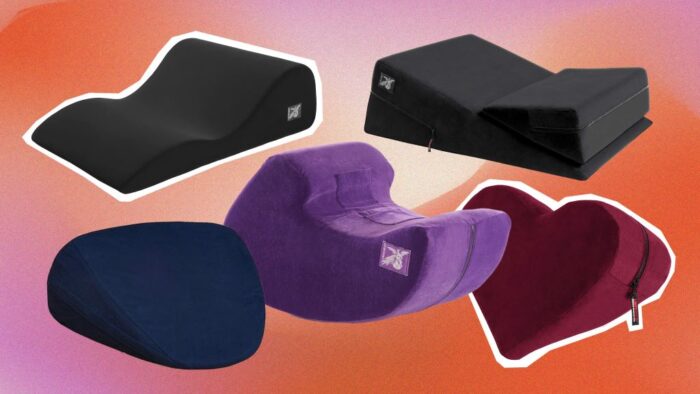
Not all position pillows look or function the same. The shape of a pillow determines which positions it supports and how well it does the job. Understanding the main shapes helps you find the right match for your needs.
Wedge pillows are the most common type. They are triangular in shape with a gradual incline from one end to the other. Placing a wedge under the hips raises the pelvis. This improves the angle of penetration and reduces strain on the lower back. Wedge pillows are also useful for elevating the upper body during intimacy if one partner has back or breathing issues.
Ramp pillows are similar to wedges but taller and more gradual in their slope. They provide more lift for partners who need greater elevation. Many ramp pillows pair with a smaller wedge to create a multi-level support system.
Positioning cubes and bolsters are firm, rectangular pillows that can be stacked or placed under the hips, knees, or chest. They are very versatile. You can use them in many different configurations depending on what each partner needs.
Specialty shapes, such as contoured or saddle-shaped pillows, are designed for specific uses. These are worth considering if you have a particular comfort challenge that a standard wedge does not solve. Each shape serves a different purpose, so think about which positions tend to cause the most strain before choosing.
What to Look for in Fill and Firmness
The inside of a position pillow matters just as much as its shape. A pillow that collapses under body weight is not doing its job. Firmness and fill type are two of the most critical factors to evaluate.
High-density memory foam is the gold standard for position pillows. It is firm enough to hold its shape under significant weight. At the same time, it has some give that makes it comfortable against the skin. Memory foam does not bottom out the way softer fills can. Therefore, it provides consistent support throughout use.
I once bought a wedge pillow that looked perfect online but turned out to be filled with low-density foam. It flattened within minutes of use. The experience was frustrating and ultimately useless. After switching to a high-density memory foam version, the difference was immediately clear. It held its shape completely and made a real difference in comfort.
Here are the key things to consider when evaluating fill and firmness:
- High-density foam (at least 4 to 5 lb per cubic foot) holds up under body weight without compressing.
- Low-density foam feels soft at first but quickly flattens and loses support.
- Latex offers a firm, responsive feel similar to high-density foam and tends to last longer.
- Inflatable options are portable and adjustable but rarely as supportive as solid foam for regular use.
- Combination fills, such as foam with a soft outer layer, balance firmness with surface comfort.
Always check the foam density rating before buying. It is one of the clearest indicators of pillow quality.
Cover Materials and Hygiene Considerations
The cover of a position pillow is something many buyers overlook. However, it is an important factor for comfort, safety, and easy care. Choosing the right cover material makes a real difference in how the pillow feels and how long it stays clean.
The best position pillow covers are made from materials that are soft against the skin, moisture-resistant, and easy to remove and wash. Here are the most common options:
- Microfiber covers are soft, affordable, and widely available. They are comfortable but may absorb moisture over time.
- Vinyl or PVC covers are fully waterproof and very easy to wipe down. However, they can feel clinical and are not breathable.
- Neoprene covers offer a balance of water resistance and softness. They are a popular choice in quality positioning pillows.
- Bamboo fabric covers are breathable, naturally antibacterial, and soft. They work well for people with sensitive skin.
- Dual-cover systems, where the pillow includes both a waterproof inner cover and a soft removable outer cover, are the most practical option overall.
Whatever material you choose, make sure the cover is fully removable and machine washable. Hygiene is essential when any product is used in intimate settings. A cover that is difficult to clean is a drawback worth avoiding.
Additionally, check that the zipper on the cover is smooth and hidden. Exposed metal zippers can be uncomfortable during use.
How to Choose the Right Size for Your Body and Needs
Size matters when it comes to position pillows. A pillow that is too small will not offer enough support for your full body weight. One that is too large may be awkward to maneuver or store.
For most adults, a standard wedge pillow measuring around 24 inches wide, 21 inches long, and 7 to 12 inches tall works well. Larger individuals or those needing more surface coverage may want to look for wider or longer options. Some brands offer size guides based on height and body weight, which is a helpful resource.
According to the American College of Obstetricians and Gynecologists, proper body positioning during sexual activity is especially important for pregnant women, individuals recovering from surgery, and those with pelvic floor conditions. In these cases, a slightly larger, well-supported pillow offers the safest and most comfortable experience.
Here are a few size guidelines to follow:
- For under-hip support, choose a pillow at least 24 inches wide to cover both hips fully.
- For under-knee support, a smaller bolster or cylinder pillow works well.
- For full-body positioning, a ramp and wedge combination offers the most flexibility.
- For travel or discreet storage, a compact inflatable or foldable wedge saves space.
Think about where you will store the pillow when not in use. Many couples prefer a design that looks like a regular cushion. This makes storage simple and discreet.
Frequently Asked Questions
Are position pillows only for people with pain or physical limitations?
No. Position pillows benefit anyone who wants more comfort, variety, or ease during intimacy. They are not just for people with health conditions.
How do I clean a position pillow?
Remove the cover and wash it according to the label instructions. Wipe down any waterproof inner cover with a damp cloth and mild soap. Allow everything to dry fully before reassembling.
What is the best firmness level for a position pillow?
High-density memory foam with a firmness rating of medium-firm to firm works best. It holds its shape under body weight and does not compress during use.
Can position pillows help with back pain during intimacy?
Yes. Placing a wedge or ramp pillow under the hips or lower back reduces spinal strain significantly. Many people with chronic back pain find that the right pillow makes intimacy comfortable again.
How discreet are position pillows in terms of storage and appearance?
Many position pillows are designed to look like regular bedroom cushions or wedge pillows. They blend in easily with standard home decor and do not draw attention.
Conclusion
Choosing the right position pillow is a simple step that can have a meaningful impact on your comfort, relaxation, and overall intimacy. Focus on shape, foam density, cover material, and size. Think about which positions tend to cause the most strain for you or your partner. Use that as your starting point.
You do not have to settle for discomfort. A well-chosen pillow removes physical barriers and lets you focus on connection instead of strain. That alone is worth the investment.
If this guide was helpful, please share it with someone who might benefit. And if you have tried a position pillow that worked well for you, or have a question we did not cover, leave a comment below. We would love to hear from you.