

Sleep quality affects almost every part of daily health and productivity. Studies show that nearly 65% of Americans experience sleep problems at least a few nights each week. Additionally, poor sleeping posture often contributes to neck and back discomfort. Learning how to use support pillows properly can improve comfort and help maintain better body alignment. The right pillow placement also reduces pressure on muscles and joints. Therefore, understanding correct pillow positioning can make every night’s rest more refreshing and restorative.
Why Support Pillows Matter
Support pillows do more than provide softness during sleep. They help keep the spine in a natural position.
Proper alignment reduces stress on muscles and joints. As a result, many people wake up with less stiffness and discomfort.
Support pillows also improve circulation and relieve pressure points. Consequently, they often lead to deeper and more comfortable sleep.
Understanding Different Types of Support Pillows
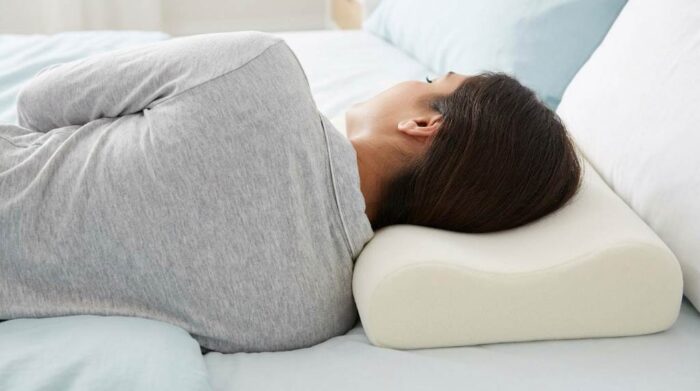
Neck Support Pillows
These pillows cradle the head and support the natural neck curve. They work especially well for people with neck tension.
Body Pillows
Body pillows are long and flexible for different sleeping positions. They provide support to the legs, hips, and shoulders.
Knee Pillows
Knee pillows fit between the legs while sleeping on the side. Therefore, they reduce pressure on the lower back.
Lumbar Support Pillows
These pillows support the lower back during sitting or resting. They help maintain proper posture throughout the day.
How to Use Support Pillows Properly While Sleeping
For Side Sleepers
Side sleeping is popular across the United States. However, improper positioning can strain the neck and hips.
Place one pillow under your head to fill the shoulder gap. Then put another pillow between your knees.
This setup keeps the spine straight and reduces hip rotation. As a result, the lower back experiences less pressure.
For Back Sleepers
Back sleepers need balanced support under the head and knees. A pillow that sits too high can strain the neck.
Place a thin pillow under your head and another beneath your knees. Consequently, your spine remains in a more natural position.
This method also relaxes lower back muscles during sleep. Therefore, many people experience reduced morning stiffness.
For Stomach Sleepers
Stomach sleeping often causes neck twisting and back strain. Nevertheless, some people find this position comfortable.
Use a very thin pillow under your head or avoid one completely. Then place a pillow beneath the pelvis.
The extra support reduces pressure on the lower back. As a result, spinal alignment improves slightly.
Using Support Pillows During Pregnancy
Pregnancy often creates pressure on the hips and lower back. Therefore, support pillows become valuable during every trimester.
A body pillow between the knees and under the belly offers comfort. It also helps maintain a stable sleeping posture.
Many pregnant women also place a pillow behind the back. Consequently, this setup prevents unwanted rolling during sleep.
How to Use Support Pillows While Sitting
Many people spend long hours sitting at desks every day. Poor sitting posture often causes back discomfort.
Place a lumbar support pillow behind the lower back. Then sit with both feet flat on the floor.
The pillow should fill the natural curve of the spine. As a result, pressure on the lower back decreases significantly.
You can also use a neck pillow during long travel sessions. Therefore, your muscles remain relaxed for extended periods.
Best Places to Position Support Pillows
- Between the knees for side sleeping
- Under the knees for back sleeping
- Under the pelvis for stomach sleeping
- Behind the lower back while sitting
- Under the arms for shoulder support
- Behind the back during pregnancy
Common Mistakes People Make
Using the Wrong Pillow Height
A pillow that sits too high changes spinal alignment. Consequently, neck pain often develops over time.
Ignoring Sleeping Position
Different sleeping positions require different support methods. Therefore, one pillow style does not suit everyone.
Keeping Old Pillows Too Long
Pillows lose shape and support after extended use. As a result, they become less effective.
Using Too Many Pillows
Excessive pillows can force the body into awkward positions. Therefore, comfort and alignment may suffer.
Signs You Are Using Support Pillows Incorrectly
- Waking up with neck pain
- Feeling numbness in the arms
- Experiencing lower back stiffness
- Developing shoulder discomfort
- Constantly adjusting pillows during sleep
If these symptoms continue, review your pillow placement carefully. Small adjustments often produce noticeable improvements.
Tips for Choosing the Right Support Pillow
- Select a pillow based on your sleeping position.
- Choose materials that maintain their shape.
- Consider your body size and shoulder width.
- Replace pillows that no longer provide support.
- Test firmness before making a final purchase.
How Often Should You Replace Support Pillows?
Most support pillows last between one and three years. However, usage and material quality affect lifespan.
If a pillow remains flat or lumpy, replace it promptly. Consequently, your body receives proper support again.
Regular replacement also improves cleanliness and sleep quality. Therefore, many sleep experts recommend checking pillow condition yearly.
Creating a Comfortable Sleep Environment
Support pillows work best in a healthy sleep environment. Comfortable bedding and a supportive mattress also matter.
Keep the bedroom cool and reduce unnecessary light. Additionally, maintain a consistent bedtime routine.
These habits complement proper pillow usage and improve overall rest. As a result, your body recovers more effectively during sleep.
Conclusion
Learning how to use support pillows properly can improve sleep quality and reduce daily discomfort. Correct pillow placement supports the spine and relieves unnecessary pressure.
Every sleeper has unique needs and preferences. Therefore, experiment with different positions until you discover what feels best.
Start adjusting your pillow setup tonight and create healthier sleep habits. Small changes can lead to better comfort and improved well being.
Frequently Asked Questions
Can support pillows reduce back pain?
Yes, proper pillow placement often reduces pressure on the spine and lower back.
Should side sleepers use a pillow between their knees?
Yes, a knee pillow helps keep the hips and spine aligned.
Can I use support pillows while sitting?
Yes, lumbar support pillows improve posture and reduce back strain.
How often should I replace support pillows?
Most support pillows should be replaced every one to three years.
Do support pillows help pregnant women sleep better?
Yes, body pillows can relieve pressure and improve sleeping comfort during pregnancy.