

Keeping bath pillows clean improves comfort, hygiene, and durability. According to household cleaning surveys in the USA, more than 68% of homeowners regularly wash bathroom accessories but often dry them incorrectly. Learning how to dry bath pillows after washing helps prevent mold growth, unpleasant odors, and material damage. Many people invest in quality bath pillows, yet proper drying techniques remain overlooked. Fortunately, several effective drying methods can extend the lifespan of your bath pillow while maintaining comfort and cleanliness.
Why Properly Drying Bath Pillows Matters
Bath pillows absorb significant amounts of water during washing. Without proper drying, trapped moisture creates ideal conditions for bacteria and mold.
Additionally, improper drying can damage internal cushioning materials. Consequently, your bath pillow may lose its shape and comfort over time.
Proper drying techniques preserve structural integrity. They also help maintain hygiene standards recommended for bathroom accessories throughout the USA.
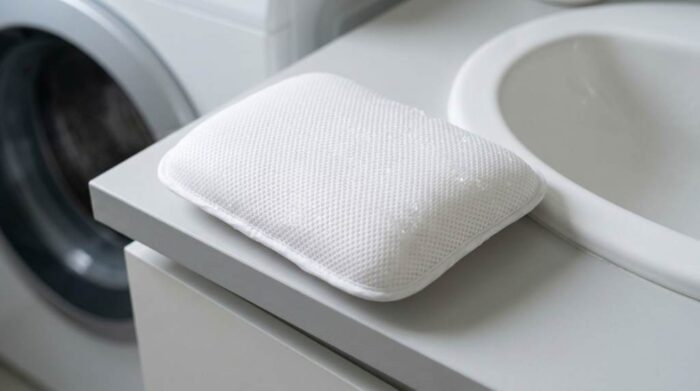
Understanding Different Bath Pillow Materials
Before drying your bath pillow, identify its construction material. Different materials require specific drying approaches.
Mesh Bath Pillows
Mesh bath pillows dry relatively quickly due to their breathable construction. Air circulation passes through the material efficiently.
These pillows typically tolerate several drying methods. However, excessive heat may still cause damage.
Foam Bath Pillows
Foam bath pillows retain more moisture than mesh varieties. Therefore, they require extended drying periods.
Direct heat exposure may warp foam structures. Consequently, gentle drying methods work best.
Microfiber Bath Pillows
Microfiber materials absorb substantial amounts of water. However, they also release moisture effectively when dried correctly.
Proper airflow remains essential during the drying process. This approach prevents mildew formation.
How to Prepare Bath Pillows for Drying
Preparation significantly affects drying efficiency. Therefore, complete several preliminary steps first.
- Gently squeeze excess water from the pillow.
- Avoid twisting or wringing the material.
- Press the pillow between clean towels.
- Remove as much surface moisture as possible.
This preparation stage reduces drying time considerably. Additionally, it minimizes stress on internal materials.
Air Drying Method: The Safest Option
Air drying remains the safest and most recommended method. Most manufacturers prefer this approach.
Step 1: Select a Well Ventilated Area
Choose a location with strong airflow and low humidity. Outdoor shaded areas work exceptionally well.
Alternatively, place the pillow near open windows indoors. Good ventilation accelerates moisture evaporation.
Step 2: Position the Bath Pillow Correctly
Lay the pillow flat on a drying rack. This position allows air circulation on all sides.
Avoid placing the pillow directly on solid surfaces. Otherwise, trapped moisture may delay drying.
Step 3: Rotate Regularly
Turn the pillow every two to three hours. Regular rotation ensures even drying throughout the material.
Additionally, frequent repositioning prevents moisture accumulation. This practice reduces mold risks significantly.
Using a Fan for Faster Drying
Fans provide an effective way to speed up drying. They increase airflow without introducing excessive heat.
Place the bath pillow approximately two feet from the fan. Continuous air movement helps remove trapped moisture.
Rotate the pillow periodically for optimal results. Most bath pillows dry within several hours using this method.
Can You Use a Clothes Dryer?
Some bath pillows tolerate machine drying. However, always check manufacturer instructions first.
When Machine Drying Is Safe
If the care label permits machine drying, use the lowest heat setting available. Excessive heat damages many bath pillow materials.
Add clean towels to the dryer. This step improves airflow and cushions the pillow during tumbling.
When to Avoid Machine Drying
Never machine dry memory foam bath pillows unless specifically approved. Heat may permanently deform the material.
Similarly, avoid drying pillows with glued components. High temperatures weaken adhesive bonds.
Using Sunlight Carefully
Natural sunlight can help eliminate bacteria and odors. However, prolonged exposure creates potential problems.
Place bath pillows in indirect sunlight whenever possible. This method balances sanitization and material protection.
Direct sunlight for extended periods may fade colors and weaken fabrics. Therefore, monitor exposure carefully.
How Long Do Bath Pillows Take to Dry?
Drying times vary according to material, humidity, and drying method. Environmental conditions greatly influence results.
- Mesh bath pillows: 4 to 8 hours
- Microfiber bath pillows: 6 to 12 hours
- Foam bath pillows: 12 to 24 hours
- Thick memory foam pillows: 24 to 48 hours
Always verify complete dryness before storage or use. Remaining moisture encourages bacterial growth.
Common Drying Mistakes to Avoid
Many homeowners unknowingly damage bath pillows during drying. Avoiding common mistakes extends product lifespan.
- Using high heat settings
- Skipping excess water removal
- Storing before complete drying
- Leaving pillows in enclosed spaces
- Ignoring manufacturer instructions
These mistakes often lead to odors, mold, and material deterioration. Therefore, careful drying practices remain essential.
How to Check If Your Bath Pillow Is Completely Dry
Visual inspection alone often proves insufficient. Internal moisture may remain hidden.
Press different areas of the pillow firmly with your hands. Any coolness or dampness indicates additional drying time.
Additionally, smell the pillow carefully. Musty odors usually suggest trapped moisture remains inside.
Storage Tips After Drying
Proper storage helps maintain cleanliness and durability. Always store bath pillows in dry environments.
Avoid sealed plastic containers whenever possible. Limited airflow may trap residual moisture.
Instead, use breathable storage bags or open shelving. These options promote ongoing ventilation.
When to Replace Your Bath Pillow
Even with proper care, bath pillows eventually require replacement. Signs of wear become increasingly noticeable over time.
- Persistent odors after cleaning
- Visible mold growth
- Loss of cushioning support
- Cracked or damaged surfaces
- Weakened suction cups
Most quality bath pillows last between one and three years with proper maintenance. Usage frequency affects longevity considerably.
Conclusion
Learning how to dry bath pillows after washing protects both hygiene and comfort. Proper drying methods also extend the product’s useful lifespan.
Whether you choose air drying, fan assistance, or machine drying, always prioritize gentle moisture removal. Start using these drying techniques today to keep your bath pillow fresh, safe, and comfortable for years.
Frequently Asked Questions
Can I put a bath pillow in the dryer?
Yes, but only if the manufacturer’s care instructions specifically allow machine drying.
How long should I air dry a bath pillow?
Most bath pillows require between 4 and 24 hours depending on material type.
Can sunlight damage bath pillows?
Yes, prolonged direct sunlight exposure may fade and weaken materials.
How do I know if my bath pillow is fully dry?
Check for dampness, cool spots, and any musty odor before use.
How often should I wash and dry my bath pillow?
Most experts recommend cleaning bath pillows every two to four weeks.