
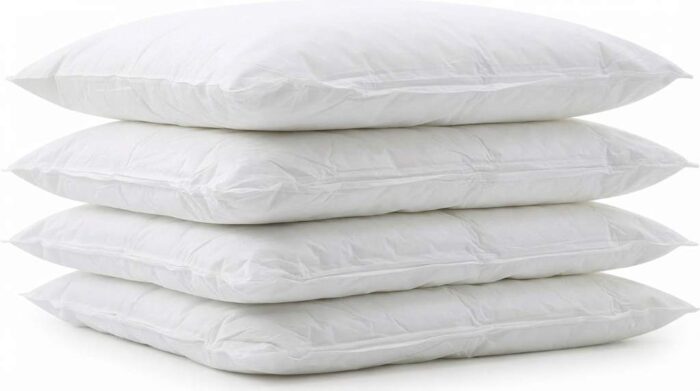
The easiest way to fluff Miulee 18×18 pillow inserts is using a low-heat dryer cycle with dryer balls. Usually, 20 to 30 minutes restores loft, followed by hand shaping and gentle redistribution of the filling.
If your miulee 18×18 pillow inserts 4 pack arrived compressed, do not judge its final shape immediately. Proper fluffing helps the four inserts regain volume, softness, and a fuller appearance inside decorative covers.
The 18-inch square format works especially well for sofas, beds, accent chairs, and layered pillow arrangements. Therefore, getting the inserts evenly fluffed matters because uneven filling can create visible dips and lumpy corners.
Key Takeaways
- Use a low or warm dryer setting for approximately 20 to 30 minutes.
- Add dryer balls or clean tennis balls to separate compressed filling.
- Shake and knead each insert before placing it inside a cover.
- Give stubbornly flat areas extra hand fluffing instead of excessive heat.
- A properly sized cover can make the insert look noticeably fuller.
- Avoid high heat because excessive temperature can damage synthetic filling.
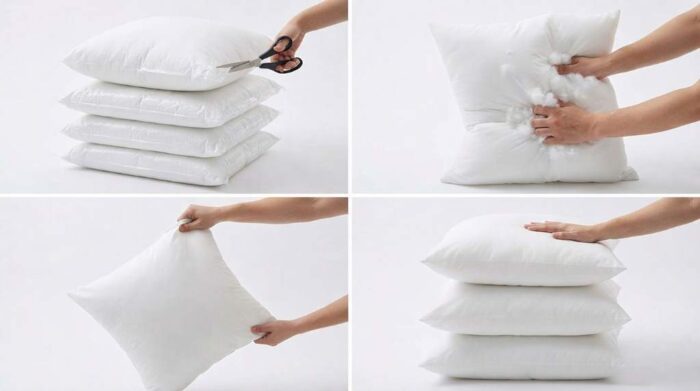
Why Miulee Inserts Look Flat After Opening
Miulee inserts can arrive compressed to reduce packaging volume during transportation and storage. Consequently, the filling may appear thinner, uneven, or slightly lumpy immediately after opening.
This temporary appearance does not necessarily indicate a defective insert. Instead, compression can temporarily restrict the filling from expanding across the entire pillow shell.
The outer fabric may also feel slightly wrinkled after unpacking. As the filling expands and you redistribute it, the shell should develop a more consistent shape.
The Best Way to Fluff Miulee 18×18 Inserts
Step 1: Remove the Packaging Carefully
Open the packaging without cutting deeply into the insert or its fabric cover. Then remove each pillow and separate the four inserts before starting the fluffing process.
Letting every insert expand separately makes uneven areas easier to identify. Additionally, separating them prevents one compressed pillow from hiding another pillow’s problem areas.
Step 2: Shake Each Insert Vigorously
Hold an insert by two opposite corners and shake it several times. Next, rotate the pillow and repeat the movement from different directions.
This simple action loosens compressed filling without exposing the material to heat. It also helps distribute the stuffing toward corners that look noticeably thin.
Step 3: Use a Low-Heat Dryer
Place the insert inside a sufficiently large dryer and select a low or warm heat setting. Add two or three dryer balls to help separate compressed filling during tumbling.
Run the dryer for approximately 20 to 30 minutes, then inspect the insert carefully. If it still looks compressed, continue with a shorter additional cycle instead of immediately using high heat.
Never assume hotter temperatures produce better loft. Excessive heat can stress synthetic fibers, fabric, seams, or other pillow components over time.
Step 4: Use Dryer Balls or Clean Tennis Balls
Dryer balls provide repeated gentle impacts while the pillow tumbles. Those movements help break apart areas where filling remains compressed after packaging.
Clean tennis balls can also provide a similar mechanical effect when dryer balls are unavailable. However, choose clean balls without strong odors, dirt, or damaged surfaces.
Keep the load simple when fluffing decorative inserts. Adding heavy clothing can restrict movement and reduce the tumbling action that helps restore loft.
Step 5: Finish With Manual Fluffing
Remove each pillow and inspect all four corners, edges, and center areas. Gently squeeze, knead, and shake sections that still feel dense or uneven.
Work gradually rather than aggressively punching the insert. Gentle redistribution preserves the pillow’s structure while helping compressed filling occupy empty-looking areas.
How to Fix a Lumpy Miulee Pillow Insert
Lumps usually develop when filling remains concentrated in certain sections after compression. Fortunately, you can often correct this problem without another full dryer cycle.
Place the insert flat on a clean surface and press around the dense section. Then push the filling toward thinner areas using both hands.
- Start at the densest section.
- Massage the filling outward using gentle pressure.
- Shake the insert after redistributing the filling.
- Repeat until the surface looks reasonably uniform.
If one section remains unusually thin after repeated redistribution, inspect the seams carefully. Persistent irregularity may indicate an actual filling or construction issue rather than simple compression.
What If the Insert Still Looks Flat?
First, give the pillow more time to expand naturally after the initial fluffing process. Some compressed inserts need repeated shaking and repositioning before they reach their intended appearance.
Next, repeat a short low-heat dryer cycle with dryer balls. Avoid immediately extending the cycle for a long period because controlled intervals provide better control.
Afterward, manually work the corners and edges before placing the insert inside its cover. This final step often improves the pillow’s silhouette more than additional heat alone.
How to Make an 18×18 Pillow Look Fuller
Fluffing improves loft, but the pillow cover also influences the finished appearance. A loose cover can make even a well-fluffed insert look undersized or saggy.
For a classic decorative appearance, choose a cover that works closely with the insert’s dimensions. However, avoid forcing an excessively large insert into a significantly smaller cover.
The goal involves balanced fullness rather than maximum compression. A properly distributed insert should fill the corners while maintaining a comfortable, natural shape.
Check the Corners Before Closing the Cover
Push each corner of the insert toward the corresponding corner of the cover. Then smooth the center so the filling distributes evenly across the face.
Close the zipper gradually while holding the insert away from the zipper path. This approach reduces unnecessary stress on both the cover and insert.
How to Fluff Miulee Inserts Without a Dryer
You can fluff these inserts manually when you prefer avoiding a dryer. The process takes longer, but consistent shaking and kneading can still improve their shape.
Start by placing the insert on a clean, dry surface. Grab opposite corners, shake firmly, rotate the pillow, and repeat from every direction.
Next, massage the filling across the center and toward each corner. Finally, stand the pillow upright and give it several firm shakes before checking the shape.
The Air-Out Method
Allowing the insert to rest in a well-ventilated room can also help after unpacking. However, natural expansion usually works more slowly than mechanical tumbling.
Keep the insert away from excessive moisture while it expands. A dry environment helps prevent unwanted odors and moisture-related problems during the process.
Common Fluffing Mistakes to Avoid
Many fluffing problems happen because people focus on speed instead of controlled recovery. Fortunately, most mistakes are easy to prevent with a few simple precautions.
- Do not use maximum dryer heat to speed up expansion.
- Do not leave the insert compressed after unpacking for extended periods.
- Do not judge loft before shaking and redistributing the filling.
- Do not overload the dryer with heavy laundry.
- Do not aggressively pull corners or seams during manual fluffing.
- Do not force a badly mismatched cover around the insert.
Another common mistake involves repeating long dryer cycles without inspection. Instead, check the pillow after each controlled cycle and adjust your approach.
How Often Should You Fluff the Inserts?
Decorative pillows usually need occasional reshaping rather than constant maintenance. Fluffing frequency depends on how often people lean against them and how much pressure they receive.
For frequently used sofa pillows, a quick shake every few days can maintain an attractive shape. Less-used bedroom accents may only need attention after washing, storage, or prolonged compression.
Regular light maintenance works better than waiting until the pillow becomes severely misshapen. Therefore, incorporate quick reshaping into your normal room-tidying routine.
When Should You Use the Dryer Again?
A short dryer cycle makes sense when manual shaking cannot restore the original loft. It can also help after storage when the filling becomes compressed again.
However, you should not automatically tumble the inserts whenever they look slightly uneven. Manual redistribution usually provides enough correction for minor shape changes.
Use controlled dryer cycles when the entire insert feels compressed rather than when one small area looks uneven. This distinction prevents unnecessary heat exposure.
Miulee 18×18 Inserts vs. Ordinary Fluffing Methods
The most effective routine combines mechanical movement with manual shaping. Simply placing a compressed insert inside its cover often produces weaker results.
Likewise, shaking alone may not completely restore an insert that experienced substantial packaging compression. A low-heat dryer cycle can provide the additional mechanical action needed for stubborn compression.
| Fluffing Method | Best Use | Main Advantage |
|---|---|---|
| Hand shaking | Light compression | Simple and heat-free |
| Manual kneading | Lumpy sections | Precise filling control |
| Low-heat drying | Heavy compression | Strong mechanical recovery |
| Dryer balls | Dryer-assisted fluffing | Separates compressed filling |
| Air expansion | Freshly opened inserts | Requires minimal equipment |
How to Keep the Inserts Looking Full
Once the inserts regain their shape, avoid storing them tightly compressed whenever possible. Give decorative pillows enough space so the filling can maintain its natural distribution.
Rotate frequently used pillows periodically to reduce uneven pressure. Also, reshape the corners whenever you notice flattening instead of waiting for major deformation.
Keep the inserts protected from unnecessary moisture and excessive heat. Proper storage and gentle handling can reduce the need for aggressive refluffing later.
Signs Your Insert Needs More Than Fluffing
Most post-packaging flatness improves through shaking, drying, and manual redistribution. However, some symptoms deserve closer inspection before you continue fluffing.
- A seam appears visibly open or damaged.
- The filling remains severely uneven after repeated gentle redistribution.
- A persistent bare-feeling section remains in one location.
- The fabric shows unusual damage after unpacking.
- The insert fails to recover despite careful fluffing.
In those situations, document the condition before attempting aggressive treatment. Keeping packaging information and purchase details can also simplify a potential product-support request.
Frequently Asked Questions
How long should I dry Miulee 18×18 pillow inserts?
Start with approximately 20 to 30 minutes on low or warm heat, then inspect the insert before continuing.
Can I fluff Miulee inserts without a dryer?
Yes, vigorous shaking, corner manipulation, and gentle kneading can restore loft without using a dryer.
Can I use tennis balls to fluff pillow inserts?
Yes, clean tennis balls can provide mechanical movement during a low-heat dryer cycle.
Why do my Miulee inserts still look uneven?
Uneven filling usually needs additional shaking and manual redistribution before you consider another short dryer cycle.
Should I use high heat to fluff pillow inserts faster?
No, controlled low or warm heat offers a safer approach than using excessive dryer temperatures.
Final Verdict
Fluffing Miulee 18×18 pillow inserts does not require complicated equipment or aggressive treatment. Start with shaking, use a controlled low-heat dryer cycle when needed, and finish by manually shaping each insert.
For the best decorative result, focus equally on filling distribution and cover fit. Follow these steps carefully, and your four inserts can achieve a noticeably fuller, cleaner appearance.
Before styling your sofa or bed, fluff every insert individually and check the corners. A few minutes of careful shaping can make the finished pillows look substantially more polished.