

Waking up to a fresh breakout is a frustrating start to any day. If you’re struggling with acne, you might be surprised to learn that your pillow could be a significant culprit. Choosing the best pillow for acne isn’t just about comfort; it’s about creating a clean, bacteria-resistant environment for your skin to thrive. Let’s delve into how the right pillow can make a world of difference in your skincare routine.
Understanding the Connection Between Pillows and Acne
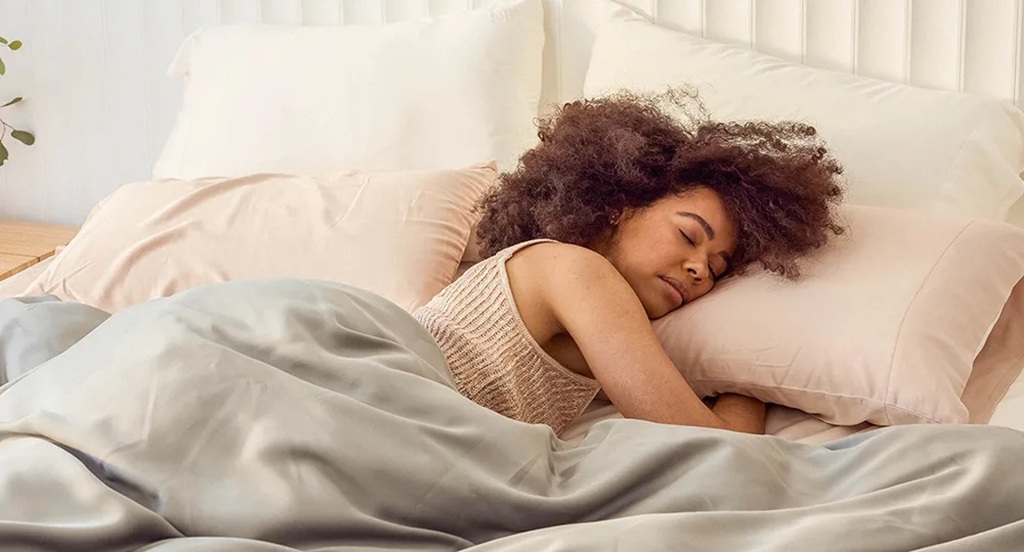
Our pillows accumulate oil, sweat, dead skin cells, and bacteria throughout the night. This buildup can clog pores, leading to acne breakouts, especially for those with sensitive skin or oily skin. Furthermore, certain pillow materials can exacerbate irritation and trap moisture, creating a breeding ground for acne-causing bacteria.
- Bacteria and Oil Buildup: Regular pillows can become a reservoir for acne-causing bacteria.
- Irritation and Friction: Rough fabrics can irritate sensitive skin.
- Moisture Retention: Some materials trap moisture, contributing to bacterial growth.
Key Features of the Best Pillow for Acne
When searching for the ideal pillow to prevent breakouts, consider these key features:
-
Hypoallergenic Materials: Combatting Allergens and Irritants
Hypoallergenic pillows are designed to minimize allergic reactions and irritation. Look for materials like:
- Silk: Naturally hypoallergenic, smooth, and reduces friction.
- Bamboo: Known for its antimicrobial and moisture-wicking properties.
- Copper-Infused Fabrics: Copper has natural antimicrobial properties.
- Microfiber: Tightly woven to prevent dust mites and allergens.
These materials help reduce the presence of allergens and irritants that can trigger acne. People suffering from sensitive skin will greatly benefit from these materials.
-
Breathability and Moisture-Wicking: Keeping Skin Dry and Comfortable
A breathable pillow allows air to circulate, preventing moisture buildup. Moisture-wicking materials draw sweat away from your skin, keeping it dry and comfortable.
- Natural Fibers: Cotton and linen offer excellent breathability.
- Cooling Technology: Some pillows incorporate cooling gels or fabrics.
- Open-Cell Foam: Allows for better airflow compared to traditional memory foam.
-
Washability and Cleanliness: Maintaining a Hygienic Sleep Environment
Regularly washing your pillowcase and pillow is crucial for preventing acne. Choose pillows with removable, machine-washable covers.
- Machine-Washable Covers: Easy to clean and maintain.
- Pillow Protectors: Adds an extra layer of protection and hygiene.
- Frequent Washing: Aim to wash your pillowcase at least twice a week.
-
Smooth, Friction-Free Surfaces: Minimizing Irritation
Rough fabrics can irritate your skin, leading to inflammation and breakouts. Opt for smooth, soft materials that minimize friction.
- Silk Pillowcases: Known for their smooth, luxurious feel.
- Satin Pillowcases: A more affordable alternative to silk.
- High Thread Count Cotton: Provides a smooth and comfortable surface.
Top Pillow Materials for Acne-Prone Skin
Let’s explore some of the best pillow materials for acne prevention:
-
Silk Pillows: The Luxurious Choice
Silk pillows are a premium option known for their smoothness and hypoallergenic properties. They reduce friction, minimize irritation, and prevent moisture buildup.
- Benefits: Smooth, hypoallergenic, reduces friction, minimizes moisture.
- Considerations: Higher price point, requires gentle care.
-
Bamboo Pillows: Natural and Antimicrobial
Bamboo pillows are naturally antimicrobial and moisture-wicking, making them an excellent choice for acne-prone skin.
- Benefits: Antimicrobial, moisture-wicking, breathable, eco-friendly.
- Considerations: May require fluffing, can be slightly firmer.
-
Copper-Infused Pillows: Fighting Bacteria
Copper-infused pillows incorporate copper fibers, which have natural antimicrobial properties, helping to reduce bacteria and promote clearer skin.
- Benefits: Antimicrobial, reduces bacteria, promotes skin health.
- Considerations: May have a metallic scent initially.
-
Microfiber Pillows: Affordable and Hypoallergenic
Microfiber pillows are a budget-friendly option that offers hypoallergenic benefits and prevents dust mites.
- Benefits: Affordable, hypoallergenic, prevents dust mites.
- Considerations: May trap heat, less breathable than natural fibers.
Choosing the Right Pillowcase for Acne Prevention
The pillowcase is just as important as the pillow itself. Here’s how to choose the right one:
-
Silk Pillowcases: The Gold Standard
Silk pillowcases offer the same benefits as silk pillows, reducing friction and minimizing irritation.
- Benefits: Smooth, hypoallergenic, reduces friction, minimizes moisture.
- Considerations: Higher price point, requires gentle care.
-
Satin Pillowcases: A Budget-Friendly Alternative
Satin pillowcases offer a similar smooth surface to silk at a more affordable price.
- Benefits: Smooth, reduces friction, more affordable than silk.
- Considerations: Not as breathable as silk, may not be as durable.
-
Bamboo Pillowcases: Natural and Breathable
Bamboo pillowcases provide natural antimicrobial and moisture-wicking properties.
- Benefits: Antimicrobial, moisture-wicking, breathable, eco-friendly.
- Considerations: May require fluffing, can be slightly firmer.
Maintaining Your Pillow for Acne Prevention
Consistent care is essential for keeping your pillow clean and acne-free:
- Wash Pillowcases Regularly: At least twice a week.
- Wash Pillows Periodically: Follow manufacturer instructions.
- Use Pillow Protectors: Add an extra layer of protection.
- Avoid Sleeping with Makeup On: Remove makeup before bed.
- Change Pillows Regularly: Replace pillows every 1-2 years.
Read More Also: Eco-Friendly Pillow Storage Options: Sustainable Ways to Store Your Pillows
Lifestyle Habits That Complement Your Pillow Choice
While the right pillow can make a significant difference, adopting healthy lifestyle habits is also crucial for clear skin:
- Balanced Diet: Consume a diet rich in fruits, vegetables, and lean protein.
- Hydration: Drink plenty of water to keep your skin hydrated.
- Regular Exercise: Promotes blood circulation and reduces stress.
- Stress Management: Practice relaxation techniques to reduce stress-related breakouts.
- Consistent Skincare Routine: Cleanse, tone, and moisturize your skin daily.
Read More Also: How Often Should You Replace Memory Foam Pillows?
Conclusion: Invest in Your Skin’s Health
Choosing the best pillow for acne is an investment in your skin’s health and overall well-being. By selecting a hypoallergenic, breathable, and easily washable pillow, you can create a clean and comfortable sleep environment that minimizes breakouts. Remember to complement your pillow choice with healthy lifestyle habits and a consistent skincare routine.
Ready to wake up with clearer, healthier skin? Explore our recommended pillows and pillowcases today and take the first step towards a breakout-free sleep!