

Memory foam pillows have gained popularity for their unique ability to contour to the shape of your head and neck, providing tailored support. This feature helps relieve pressure points and promotes better sleep quality, making them a popular choice among consumers. However, just like any other pillow or mattress, memory foam pillows don’t last forever. Over time, their effectiveness diminishes due to wear and tear, changes in material properties, and general degradation.
Understanding when to replace your memory foam pillow is key to ensuring optimal sleep quality and comfort. In this article, we will dive into how often you should replace your memory foam pillow, the pros and cons of memory foam pillows, and answer some frequently asked questions to help you get the best rest possible.
How Often Should You Replace Your Memory Foam Pillow?
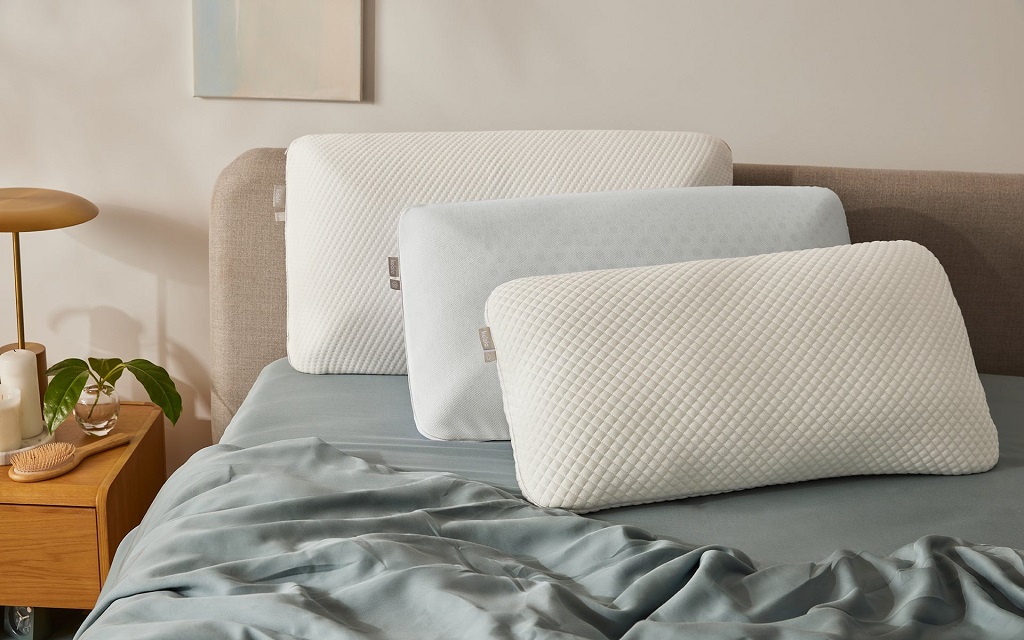
The general consensus is that memory foam pillows should be replaced every 2 to 3 years, but this can vary depending on factors such as usage, quality of the pillow, and care taken. Here are a few important things to consider when determining if your memory foam pillow needs replacing:
1. Material Degradation:
Memory foam pillows are made from viscoelastic foam, which can begin to degrade over time. As the foam softens or loses its ability to retain its original shape, you may start noticing that the pillow no longer provides the same level of support or comfort. If the pillow starts to feel flat, saggy, or lumpy, it’s probably time to replace it.
2. Changes in Shape and Support:
Memory foam is designed to contour to the shape of your neck and head, but if it stops doing so, it may lead to discomfort and poor posture. If you wake up with neck pain or stiffness more often, it could be because the pillow is no longer offering the support it once did.
3. Hygiene:
Over time, memory foam pillows can accumulate dust mites, bacteria, and allergens. Even if you regularly clean your pillow, the foam itself can be hard to sanitize thoroughly. If you’ve noticed an increase in allergies or breathing issues at night, it could be a sign that your pillow needs to be replaced for hygiene reasons.
4. Visible Damage:
Memory foam pillows often come with removable covers that protect the foam. However, if the pillow’s foam is visibly damaged with cracks, tears, or other signs of deterioration, this is an indication that it needs replacing.
5. Manufacturer’s Recommendations:
Every memory foam pillow is different, and some brands may have specific recommendations regarding how often the pillow should be replaced. Always check with the manufacturer for advice, as it will vary depending on the construction and materials used.
Signs That It’s Time to Replace Your Memory Foam Pillow:
- Pillow loses its original shape and firmness.
- The pillow starts to develop visible lumps or sagging areas.
- You wake up with neck or back pain, even after a full night’s sleep.
- The pillow becomes visibly damaged, cracked, or torn.
- You notice an increase in allergies, asthma, or breathing difficulties.
- The pillow has an unpleasant odor or feels unsanitary.
Pros of Memory Foam Pillows
Memory foam pillows have grown in popularity due to their numerous benefits, making them an ideal choice for many sleepers. Here are the primary advantages of using a memory foam pillow:
1. Excellent Support:
Memory foam pillows are designed to conform to the shape of your head and neck, providing personalized support. This helps to keep your spine in proper alignment while you sleep, reducing the risk of waking up with neck, shoulder, or back pain. For individuals who suffer from chronic pain or discomfort, memory foam pillows can offer significant relief.
2. Pressure Relief:
Memory foam evenly distributes weight, helping to alleviate pressure points, which is especially beneficial for people with conditions like arthritis or fibromyalgia. By relieving pressure on sensitive areas such as the neck, shoulders, and head, these pillows allow for a more comfortable and restful night’s sleep.
3. Durability:
High-quality memory foam pillows are durable and long-lasting when properly cared for. They maintain their shape and firmness for an extended period, unlike traditional pillows that tend to lose their shape after a few months. If taken care of well, a memory foam pillow can last for several years.
4. Hypoallergenic:
Memory foam pillows are resistant to dust mites, mold, and other common allergens, making them a good choice for individuals with allergies or asthma. The denser foam structure helps prevent dust and other particles from settling in the pillow, which can help maintain a cleaner, healthier sleeping environment.
5. Minimal Motion Transfer:
For people who share a bed, memory foam pillows can reduce motion transfer. If one person tosses and turns during the night, the other person may not be disturbed as much, allowing for a more peaceful sleep for both.
Cons of Memory Foam Pillows
Despite the many advantages, memory foam pillows have some drawbacks that potential buyers should consider. Below are some of the most common cons of using memory foam pillows:
1. Heat Retention:
One of the most frequent complaints about memory foam pillows is that they can trap heat, leading to discomfort for hot sleepers. The dense nature of the foam doesn’t allow for much airflow, causing some people to wake up feeling hot and sweaty. Many manufacturers now include cooling technology, like gel-infused memory foam, to combat this issue, but it’s something to keep in mind.
2. Odor:
Memory foam pillows may emit an initial “off-gassing” odor when new. This is due to the chemicals used in the production of the foam and can be unpleasant, especially for sensitive individuals. The odor usually dissipates after a few days, but it can still be a concern for some.
3. Heavy Weight:
Memory foam pillows tend to be heavier than traditional pillows, making them less portable. If you’re someone who likes to travel with your pillow or move it around frequently, the weight might be a consideration.
4. Expensive:
High-quality memory foam pillows can be on the pricier side compared to other pillow types, especially when considering long-term replacement needs. However, many people find the investment worthwhile due to the benefits of improved sleep quality and neck support.
5. Initial Firmness:
When you first purchase a memory foam pillow, it might feel too firm or stiff, particularly if you’re used to softer pillows. It may take time for the foam to soften and contour to your body, which can be a bit uncomfortable at first.
Frequently Asked Questions (FAQs)
1. How can I extend the life of my memory foam pillow?
To prolong the life of your memory foam pillow, follow these care tips:
- Use a pillowcase or protective cover to prevent dirt, oils, and sweat from affecting the foam.
- Regularly fluff the pillow to help maintain its shape.
- Spot clean the pillow when necessary, but avoid soaking it.
- Place it in a well-ventilated area to prevent heat buildup.
- Avoid using harsh cleaning products on the pillow.
2. Can memory foam pillows be washed?
Most memory foam pillows should not be machine-washed as this can damage the foam. Instead, spot clean the pillow using a mild detergent and a damp cloth. Always check the manufacturer’s care instructions for specific guidance.
3. Are memory foam pillows good for side sleepers?
Yes, memory foam pillows are an excellent choice for side sleepers because they provide ample support and help maintain proper neck alignment. The contouring properties of memory foam are particularly beneficial for side sleepers as they fill in the gap between the neck and shoulder, providing better support and reducing the risk of pain.
4. Are there any natural alternatives to memory foam pillows?
Yes, there are several alternatives to memory foam pillows, including pillows made from natural latex, down, buckwheat hulls, or organic cotton. These options may offer more breathability and different levels of support depending on your preferences.
5. Can I use a memory foam pillow if I have allergies?
Memory foam pillows are generally hypoallergenic and resistant to dust mites, mold, and other allergens. However, if you have a latex allergy, you should avoid latex-infused memory foam pillows, as they may trigger allergic reactions.
6. What’s the difference between a regular pillow and a memory foam pillow?
A regular pillow is typically filled with materials like cotton, polyester, or down feathers, and it offers basic support. Memory on the other hand, are made from viscoelastic foam that conforms to your head and neck, offering more targeted support and pressure relief.
Conclusion
Memory foam pillows provide significant benefits, including excellent support, pressure relief, and durability. However, like any product, they have a limited lifespan and need to be replaced after a certain period. On average, memory foam pillows should be replaced every 2 to 3 years, but it’s important to consider individual factors such as usage and maintenance. By understanding the pros and cons of memory foam pillows, you can make a more informed decision when it’s time to replace yours, ensuring a better and more restful night’s sleep.