
Clean throw pillows without a zipper are the unsung heroes of home decor. They add pops of color, texture, and personality to our sofas, armchairs, and beds. But let’s be honest, these comfy accents often bear the brunt of daily life – think accidental spills, pet hair, dust, and the general grime that comes with being snuggled, leaned on, and occasionally used as a makeshift fort wall. While pillows with removable covers are relatively easy to freshen up, those without zippers present a unique cleaning challenge. Fear not! Cleaning these sealed cushions is entirely possible with the right techniques. This guide will walk you through easy and effective methods to keep your non-zippered throw pillows looking and feeling fresh.
Why Cleaning Non-Zippered Pillows is Tricky (but Doable!)
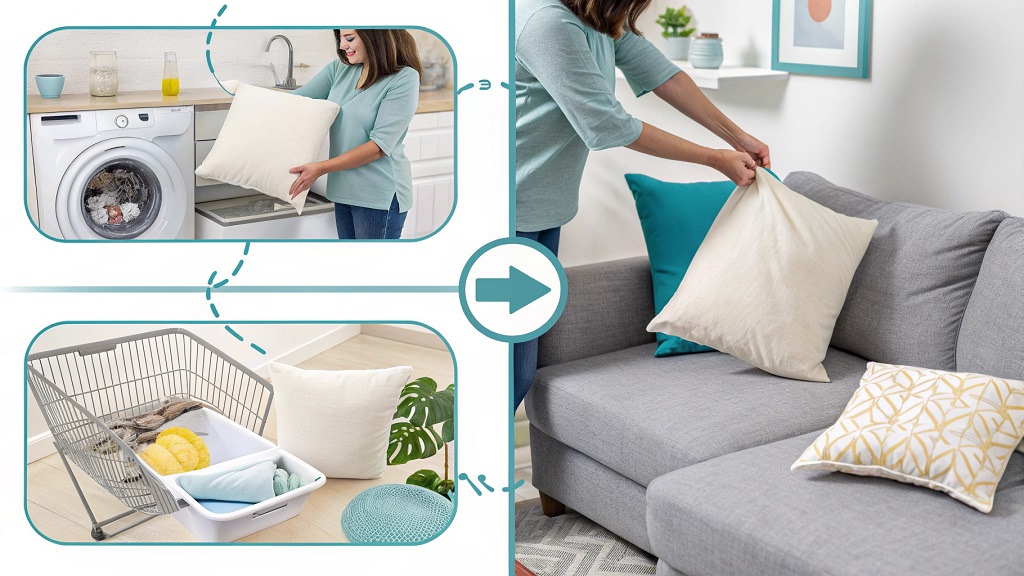
The main clean throw pillows without a zipper is that you can’t separate the cover from the inner filling (insert). This means you need to clean the entire pillow as one unit, raising concerns about soaking the filling, ensuring it dries completely to prevent mold or mildew, and maintaining the pillow’s shape. Different cover fabrics and filling materials require different approaches, making it crucial to identify what you’re working with before you start. Despite these challenges, with a little care and the right method, you can successfully wash your throw pillows without damaging them.
Before You Start: Checking the Care Label (Crucial Step)
This is the golden rule of cleaning clean throw pillows without a zipper any textile, especially throw pillows. Before you even think about water or detergent, hunt for the manufacturer’s care tag, usually sewn into a seam. This tiny label holds vital information:
- Fabric Type: Is it cotton, polyester, linen, velvet, silk, wool, or a blend?
- Filling Material: Is it polyester fiberfill, down/feathers, foam, or something else?
- Cleaning Instructions: Does it recommend machine washing, hand washing, spot cleaning only, or dry cleaning? It might also specify water temperature (e.g., cold wash) and drying methods (e.g., tumble dry low, air dry).
What if there’s no tag? Don’t panic. Examine the fabric’s look and feel. Cottons and polyesters are common and often more durable. Velvets, silks, and wools are more delicate. If unsure, always err on the side of caution and opt for the gentlest cleaning method, like spot cleaning or hand washing. Always perform a spot test on an inconspicuous area (like a bottom corner or seam) with your chosen cleaning solution first. Apply a small amount, wait a few minutes (or as directed by cleaner), blot with a white cloth, and let it dry to check for color bleeding or fabric damage.
Easy & Effective Cleaning Methods
Based on the care label or your best judgment after a spot test, choose the most appropriate method:
-
Spot Cleaning (For Minor Spills and Stains)
This is the least invasive method, perfect for tackling small marks without saturating the entire pillow.
- Gather Supplies: Mild laundry detergent or upholstery cleaner, clean white cloths or sponges, cold water, possibly baking soda or white vinegar for specific stains.
- Prepare Solution: Mix a small amount of mild detergent with cold water. For greasy stains, a paste of baking soda and water can help absorb oil. For other stains, a solution of equal parts white vinegar and water can be effective.
- Blot, Don’t Rub: Dampen a clean cloth with the cleaning solution. Gently blot the stain, working from the outside edge inwards to prevent spreading. Avoid rubbing, which can damage fibers and push the stain deeper.
- Rinse (Gently): Dampen a fresh cloth with plain cold water and blot the area to remove any soap residue.
- Dry: Blot the area with a dry towel to absorb excess moisture. Allow the pillow to air dry completely. You can use a hairdryer on a cool setting, held several inches away, to speed things up and help prevent water rings.
-
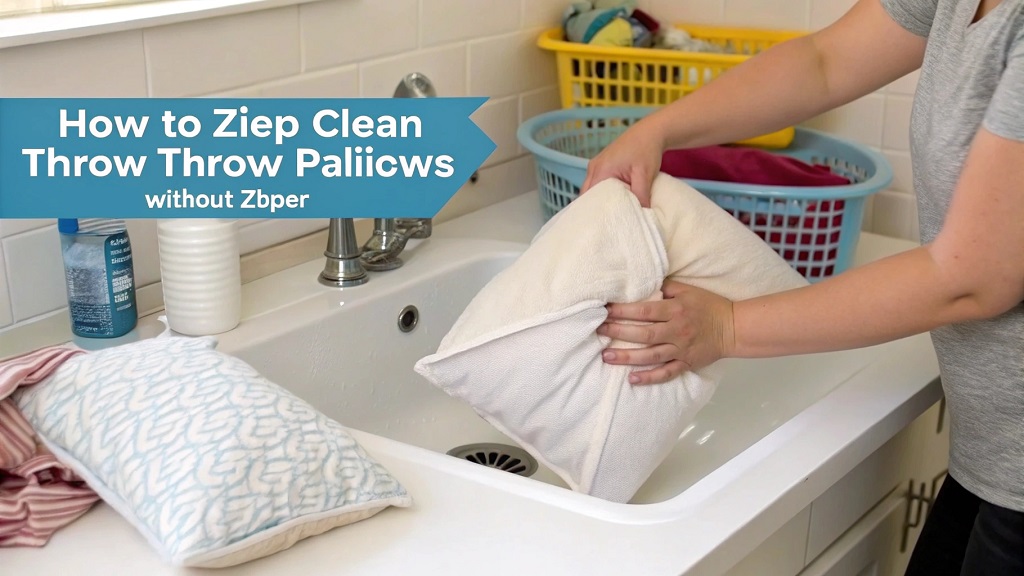
Hand Washing (For a Deeper Clean on Delicate Pillows)
If the care label suggests hand washing, or if the clean throw pillows without a zipper is delicate (silk, wool, embellished) but needs more than a spot clean, this is your go-to method.
- Gather Supplies: Large basin or clean bathtub, mild laundry detergent suitable for delicates, cold water, clean towels.
- Fill Basin: Fill the basin or tub with enough cold water to fully submerge the pillow. Hot water can cause shrinkage or damage delicate fibers.
- Add Detergent: Add a small amount of mild detergent and swish to dissolve. Too much soap will be difficult to rinse out.
- Wash Gently: Submerge the pillow completely. Gently squeeze and agitate the pillow in the water to work the detergent through the fabric and filling. Focus on any particularly soiled areas. Avoid harsh scrubbing or twisting.
- Rinse Thoroughly: Drain the soapy water. Refill the basin with clean, cold water and gently squeeze the pillow to rinse out the detergent. Repeat this rinsing process several times until the water runs clear and no more suds appear. This is crucial to prevent residue build-up.
- Remove Excess Water: Gently squeeze out as much water as possible. Do not wring or twist the pillow, as this can damage the filling and fabric, causing lumps or misshaping. You can press the pillow between two clean, dry towels to absorb more moisture.
-
Machine Washing (Use With Caution and Only if Label Allows)
Some durable clean throw pillows without a zipper (often cotton or polyester covers with synthetic filling) can withstand a machine wash. Only attempt this if the care label explicitly states it’s safe.
- Gather Supplies: Washing machine (preferably front-loading or top-loading without a central agitator), mild laundry detergent, mesh laundry bag (optional, for protection), dryer balls or clean tennis balls (for drying).
- Pre-treat Stains: Address any specific stains using the spot cleaning method first.
- Load Washer: Place one or two pillows in the machine. Washing two helps balance the load. If washing only one, add a couple of light-colored towels to balance. Using a large mesh laundry bag can offer extra protection, especially if the pillow has tassels or light embellishments.
- Select Settings: Use a gentle or delicate cycle with cold water. Avoid warm or hot water unless the label specifies otherwise.
- Add Detergent: Use a small amount of mild detergent.
- Extra Rinse: Consider using an extra rinse cycle to ensure all detergent is removed from the filling.
- Remove Promptly: Take the pillows out as soon as the cycle finishes to prevent mustiness.
Drying Your Throw Pillows Correctly (Avoiding Lumps and Mildew)
Proper drying is just as important as washing, especially for non-zippered pillows where moisture can get trapped inside. Incomplete drying leads to mildew, unpleasant odors, and clumpy filling.
-
Air Drying (Safest Method)
- Prep: After hand washing or machine washing, gently squeeze out excess water (don’t wring!). Reshape the pillow as best you can.
- Location: Lay the pillow flat on a clean, dry towel placed on a drying rack or flat surface. Choose a well-ventilated area, ideally with good air circulation. Placing it outdoors on a warm, breezy (but not intensely sunny) day works well. Sunlight can help deodorize, but prolonged direct sun can fade colors.
- Rotate & Fluff: Flip the pillow over every few hours and fluff it periodically to ensure even drying and prevent the filling from compacting.
- Patience: Air drying can take time, sometimes 24 hours or more, depending on the pillow’s size, filling, and the environment’s humidity. Ensure it’s completely dry to the core before putting it back in use.
-
Using a Dryer (Check Label First!)
- Check Label: Confirm the care tag allows tumble drying. Foam pillows should never go in the dryer.
- Settings: Use the lowest heat setting available (low heat, air fluff, or no heat). High heat can shrink the cover or damage/melt synthetic filling.
- Add Dryer Balls: Toss in a couple of clean tennis balls (tuck them into clean socks to prevent dye transfer) or wool dryer balls. These bounce around, helping to fluff the filling and prevent clumping, promoting faster, more even drying.
- Check Frequently: Stop the dryer periodically (e.g., every 30 minutes) to check the pillow’s dryness and fluff it by hand. Break up any clumps you feel.
- Ensure Thorough Dryness: Keep drying until the pillow feels completely dry all the way through. Even slight dampness inside can lead to problems later.
Keeping Your Throw Pillows Fresh Between Washes
To extend the time between deep cleans:
- Vacuum Regularly: Use your vacuum’s upholstery attachment to remove surface dust, pet hair, and crumbs weekly or bi-weekly.
- Fluff Daily: Give your pillows a good shake and fluff each day to maintain their shape and dislodge dust.
- Air Them Out: Occasionally place pillows outdoors in the fresh air and indirect sunlight for a few hours to naturally deodorize them.
- Address Spills Immediately: Blot spills right away to prevent them from setting into stains.
- Use Baking Soda: For odors, sprinkle baking soda generously over the pillow, let it sit for several hours or overnight, then vacuum it off thoroughly.
- Fabric Refresher: Lightly spritz with a fabric-safe refresher spray for a quick scent boost.
Read More Also: Got Lice? Here’s How to Properly Clean Your Pillows (and Everything Else!)
People Also Ask (FAQs)
Q1: How often should I wash throw pillows without zippers?
A: It depends on usage. For pillows in high-traffic areas (living room sofa) or homes with pets/kids/allergies, aim for every 1-3 months. Less frequently used decorative pillows might only need washing once or twice a year, supplemented by regular vacuuming and spot cleaning.
Q2: Can I put any throw pillow without a zipper in the washing machine?
A: No! Always check the care label first. Machine washing is generally safe only for pillows with durable covers (like cotton, polyester) and synthetic fillings, and only if the label permits. Delicate fabrics (silk, velvet, wool) or fillings (foam, sometimes down/feather) often require hand washing or spot/dry cleaning.
Q3: What’s the best way to dry throw pillows to avoid lumps?
A: Using a dryer on a low or no-heat setting with dryer balls or clean tennis balls is very effective for fluffing and preventing lumps in pillows that are dryer-safe. If air drying, make sure to fluff and rotate the pillow frequently throughout the process. Ensure it’s 100% dry before use.
Q4: My pillow filling is foam. How do I clean it?
A: Foam pillows (including memory foam) should not be soaked or machine washed. Spot clean the surface only using a damp cloth and mild detergent solution, being careful not to saturate the foam. Rinse by blotting with a clean damp cloth. Allow it to air dry completely, away from direct heat or sunlight. Vacuuming regularly also helps keep foam pillows clean.
Q5: How can I get rid of smells in my throw pillows?
A: Airing them out in the sun is a great natural deodorizer. Sprinkling baking soda over the surface, letting it sit for a few hours, and then vacuuming thoroughly is also very effective at absorbing odors. If washing is necessary, ensure thorough rinsing and complete drying.
Read More Also: Best Down Feather Pillows: Pros, Cons, and FAQs
Conclusion
Cleaning throw pillows without zippers might seem daunting, but it’s definitely manageable. By carefully checking the care label (or performing a spot test if none exists), choosing the appropriate method – whether it’s spot cleaning, gentle hand washing, or a cautious machine wash – and ensuring thorough drying, you can keep these essential decor pieces looking vibrant, smelling fresh, and feeling comfortable. Regular maintenance like vacuuming and fluffing will also go a long way in preserving their beauty and extending the time between more intensive cleanings. With a little effort, your throw pillows can continue to enhance your home’s comfort and style for years to come.