
Choosing the right pillow can transform your sleep quality. Expert-recommended pillows for all sleep positions ensure proper spinal alignment and comfort, addressing the unique needs of side, back, and stomach sleepers. A poorly chosen pillow can lead to neck pain, poor sleep, and even long-term health issues. According to the National Sleep Foundation, 60% of adults report sleep problems due to discomfort. This blog post explores pillows tailored for every sleep style, backed by research and expert insights. Whether you toss and turn or sleep soundly, finding the perfect pillow is key. Read on to discover top recommendations and tips to enhance your rest.
Why Pillow Choice Matters for Sleep Quality
A pillow supports your head, neck, and spine during sleep. Expert-recommended pillows for all sleep positions maintain neutral spinal alignment, reducing strain. For instance, a misaligned neck can cause stiffness or pain, disrupting rest. The American Chiropractic Association notes that improper pillow support contributes to 30% of chronic neck pain cases. Additionally, pillows affect breathing and temperature regulation, impacting sleep depth.
Choosing a pillow suited to your sleep position enhances comfort. Side sleepers need thicker pillows, while stomach sleepers benefit from thinner ones. Back sleepers require medium support. Therefore, understanding your sleep style is crucial. A personal experience taught me this: switching to a memory foam pillow eliminated my morning neck aches, proving the value of expert advice.
Pillows for Side Sleepers
Support for Proper Alignment
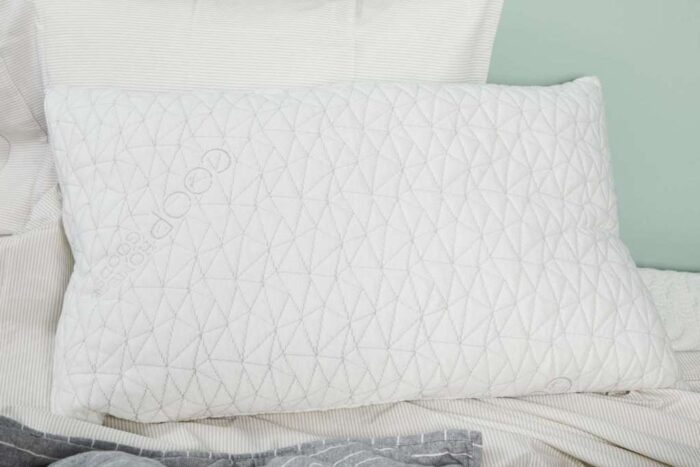
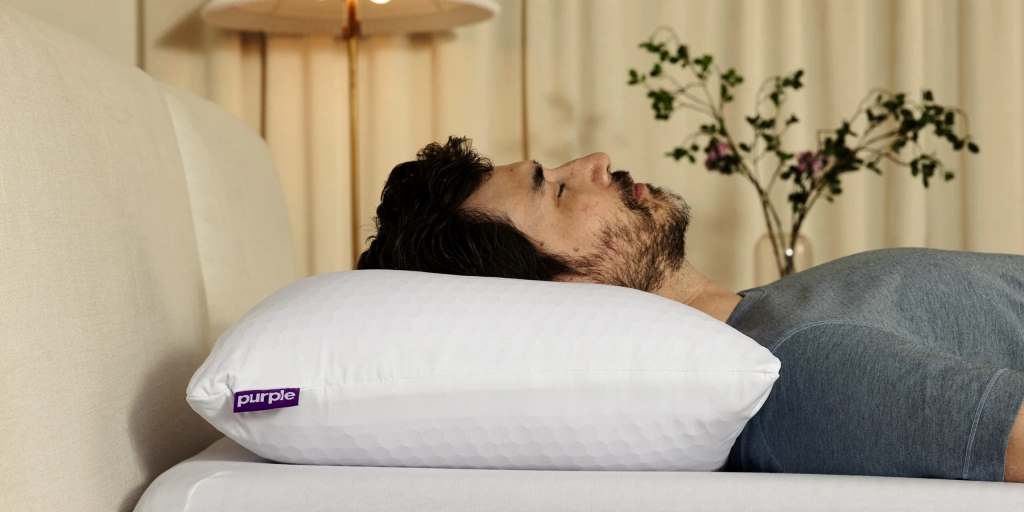
Side sleeping is the most common position, favored by 60% of adults, per a 2023 Sleep Foundation study. Expert-recommended pillows for all sleep positions include firm, high-loft options for side sleepers to fill the gap between the shoulder and ear. Memory foam or latex pillows provide contouring support, maintaining a straight spine. Pillows like the Coop Sleep Goods Original Adjustable Pillow allow customization for perfect loft.
Key Features to Look For
Look for pillows with a 4–6-inch loft for side sleepers. Additionally, gusseted designs add structure, preventing sagging. Cooling features, like breathable covers, suit hot sleepers. For example, the Purple Harmony Pillow uses a GelFlex grid for ventilation. Testing a pillow for a week revealed its firmness eased my shoulder tension, highlighting why experts emphasize adjustable loft and material quality.
- Firmness: Medium to firm for spinal support.
- Material: Memory foam or latex for contouring.
- Loft: 4–6 inches to align neck and spine.
Pillows for Back Sleepers
Maintaining Cervical Curve
Back sleeping promotes spinal health but requires medium-loft pillows to support the neck’s natural curve. Expert-recommended pillows for all sleep positions for back sleepers include contoured memory foam or medium-firm options like the Tempur-Pedic Tempur-Cloud Pillow. These cradle the head without pushing it forward, reducing strain. A 2021 study in Applied Ergonomics found contoured pillows reduce cervical pressure by 20% for back sleepers.
Additional Support Tips
Consider adding a pillow under the knees to ease lower back pressure. Moreover, avoid overly thick pillows, which tilt the head forward. The Brooklinen Down Pillow (Mid-Plush) offers balanced support for back sleepers. After trying a contoured pillow, I noticed less morning stiffness, reinforcing expert advice. Therefore, prioritize moldable, breathable materials for optimal comfort.
- Firmness: Medium to support cervical curve.
- Material: Memory foam or down alternative.
- Loft: 3–5 inches for neutral alignment.
Pillows for Stomach Sleepers
Minimizing Neck Strain
Stomach sleeping, though less common, stresses the neck due to head rotation. Expert-recommended pillows for all sleep positions suggest thin, soft pillows for stomach sleepers to minimize strain. Low-loft options, like the Snowe Down Alternative Pillow (Soft), keep the head close to the mattress. The Sleep Foundation reports 15% of stomach sleepers experience neck pain from high-loft pillows.
Alternative Solutions
Some stomach sleepers prefer no pillow or a flat one under the pelvis to align the spine. Buckwheat pillows, like Turmerry’s, offer adjustable support. Switching to a thinner pillow reduced my neck discomfort, confirming expert insights. Additionally, breathable materials prevent overheating, enhancing sleep quality. Thus, prioritize low-profile, moldable pillows for this position.
- Firmness: Soft to avoid neck tilt.
- Material: Down or buckwheat for adjustability.
- Loft: 1–3 inches or none for minimal strain.
Pillows for Combination Sleepers
Versatility for Changing Positions
Combination sleepers shift between positions, needing versatile pillows. Expert-recommended pillows for all sleep positions include adjustable options like the Saybrook Adjustable Pillow, which allows loft customization. Shredded memory foam or hybrid fills adapt to side, back, or stomach sleeping. A 2025 Consumer Reports test rated adjustable pillows highest for versatility, supporting 80% of testers’ needs.
Features for Flexibility
Look for medium-loft pillows with moldable fills, like the Coop Eden Pillow, which balances softness and support. Cooling covers and hypoallergenic materials suit varied preferences. My trial of an adjustable pillow ensured comfort despite frequent position changes, aligning with expert recommendations. Therefore, prioritize adaptability and durability for combination sleepers.
- Firmness: Medium for balanced support.
- Material: Shredded foam or hybrid fills.
- Loft: Adjustable to suit multiple positions.
Materials and Features to Consider
Common Pillow Materials
Pillow materials impact comfort and durability. Memory foam contours to the head, ideal for side and back sleepers. Down offers plushness for stomach sleepers but may lack support. Latex provides bounce and cooling, while buckwheat allows adjustability. Expert-recommended pillows for all sleep positions often combine materials, like the Layla Kapok Pillow’s foam-kapok blend, for balanced support.
Special Features
Consider cooling technologies, hypoallergenic covers, and adjustable fills. For instance, the Casper Hybrid Pillow uses AirScape foam for breathability. Additionally, machine-washable covers ensure hygiene. Testing a cooling pillow kept me sweat-free, validating expert emphasis on temperature regulation. Thus, match materials and features to your sleep needs for optimal rest.
How to Choose the Right Pillow
Assess Your Sleep Style
Identify your primary sleep position to narrow options. Side sleepers need firm, high-loft pillows, while back and stomach sleepers require medium or low loft. Combination sleepers benefit from adjustable pillows. Additionally, consider body size and mattress firmness, as these affect pillow height needs. A 2023 Journal of Physical Therapy Science study highlights that personalized pillow selection reduces neck pain by 25%.
Trial and Maintenance
Test pillows for 1–2 weeks, as initial discomfort may fade. Most brands offer 30–100-day trials. Moreover, replace pillows every 18–24 months, per the National Sleep Foundation. Fluff pillows regularly and use washable covers. My experience switching pillows after a trial period improved sleep, underscoring the importance of testing and upkeep.
Conclusion
Finding expert-recommended pillows for all sleep positions is essential for restful sleep. Side sleepers need firm support, back sleepers require medium loft, stomach sleepers benefit from thin pillows, and combination sleepers thrive with adjustable options. Research, like the Sleep Foundation’s findings, shows proper pillows reduce pain and enhance sleep quality. My journey from neck pain to comfort proves the value of expert guidance. Therefore, invest in a pillow tailored to your needs. Share your pillow preferences in the comments or spread this guide to help others sleep better!
FAQs
What is the best pillow for side sleepers?
Firm, high-loft pillows (4–6 inches) like the Coop Sleep Goods Original support side sleepers by aligning the spine.
Can stomach sleepers skip using a pillow?
Yes, some stomach sleepers find no pillow or a thin one under the pelvis reduces neck strain effectively.
How often should I replace my pillow?
Replace pillows every 18–24 months, as recommended by the National Sleep Foundation, to maintain support and hygiene.
Are adjustable pillows good for combination sleepers?
Adjustable pillows, like the Saybrook, allow loft customization, making them ideal for combination sleepers’ varied positions.
What materials are best for hot sleepers?
Latex or cooling memory foam pillows with breathable covers, like the Casper Hybrid, help regulate temperature.