
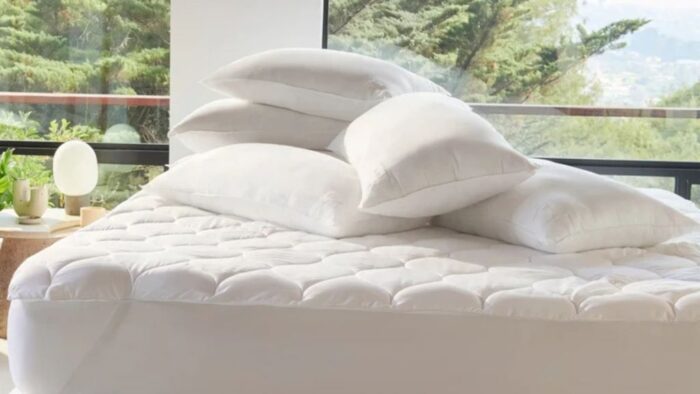
Getting a good night’s sleep isn’t just about the mattress. Pillows play a critical role in spinal alignment, pressure relief, and overall comfort. Yet many people overlook this essential item, often settling for the cheapest option on the shelf. This raises the debate: Budget pillows vs. premium — are cheap pillows worth it?
Understanding Pillow Pricing: What Are You Really Paying For?
Pillow prices range drastically, from $10 to over $200. What accounts for this huge gap?
Cheap pillows typically use synthetic polyester fills, standard cotton covers, and minimal ergonomic support. They’re mass-produced and often lack certifications like OEKO-TEX or CertiPUR-US.
Premium pillows, on the other hand, may use memory foam, gel-infused foam, organic latex, or down. They often have multi-layer constructions, cooling technology, adjustable lofts, and hypoallergenic materials.
Cost Breakdown:
- Budget pillows ($10–$30): Simple construction, short lifespan.
- Mid-range pillows ($40–$80): Some ergonomic support and better materials.
- Premium pillows ($100+): Advanced materials, customizability, and longer warranties.
The Science Behind Sleep and Pillow Quality
A pillow supports the neck and keeps the spine in alignment. According to the Sleep Foundation, poor pillow quality can cause neck pain, stiffness, and poor sleep quality. A 2023 survey by Statista showed that 78% of people replacing their old pillows with premium ones reported better sleep within a week.
A quality pillow impacts:
- Neck and spine alignment
- Sleep posture
- Snoring and airway support
- Allergy and skin sensitivities
Therefore, while a cheap pillow might seem economical at first, the cost of disrupted sleep, poor posture, and neck pain can be higher in the long run.
Comfort and Support: Budget vs. Premium Pillows
Comfort is subjective, but support is measurable.
Budget pillows often go flat within months. The inner material shifts unevenly, causing lumps and dips. These require frequent fluffing and replacing. Cheap pillows usually lack contouring support, especially for side or back sleepers.
Premium pillows provide consistent loft and shape retention. For instance, Tempur-Pedic’s TEMPUR-Cloud pillow conforms to your head while maintaining support over years. These pillows adapt to pressure and weight, keeping your spine aligned.
A clinical review in the Journal of Physical Therapy Science found that memory foam pillows reduced neck pain by 54% compared to polyester pillows.
Durability and Long-Term Value
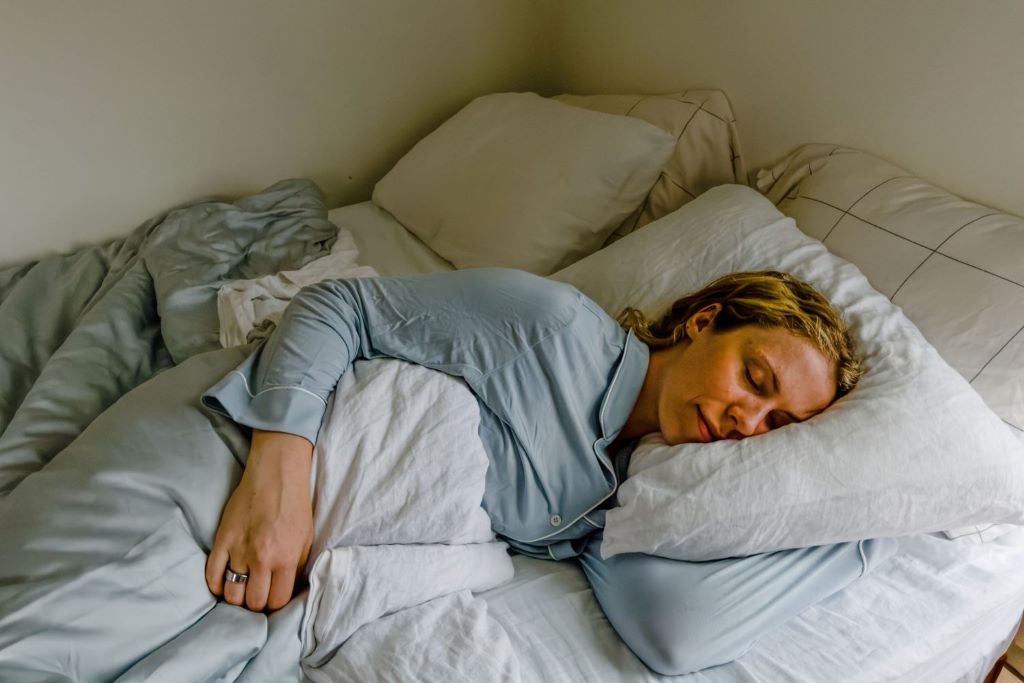
While a $20 pillow may last six months, a $120 premium pillow could easily last three to five years. In terms of cost per night, the premium pillow becomes a smarter buy:
- $20 pillow for 6 months = $0.11/night
- $120 pillow for 5 years = $0.06/night
Moreover, many premium brands offer extended warranties or sleep trials, which budget options rarely include. Brands like Coop Home Goods, Purple, and Saatva back their pillows with return policies and certifications.
Health and Allergy Concerns
Budget pillows, particularly those with synthetic fills, may trigger allergies or retain dust mites. Cheaper options often skip hypoallergenic treatments or antimicrobial features.
Premium pillows are often certified for chemical safety, come with breathable covers, and include features like copper infusions or organic cotton to deter allergens.
According to the American College of Allergy, Asthma, and Immunology, dust mites in bedding are a major cause of allergies and asthma, affecting up to 20 million Americans. Spending a bit more can help mitigate these risks.
Environmental Impact and Sustainability
Many budget pillows end up in landfills. They’re not biodegradable and typically can’t be recycled.
On the flip side, some premium pillows are crafted from sustainable materials like bamboo, organic latex, or recycled memory foam. Brands like Avocado Green or Naturepedic prioritize eco-friendly sourcing and packaging.
In an era where environmental responsibility matters, premium pillows align with greener lifestyles.
Real-World Reviews and User Opinions
User reviews often reveal the most honest insights. On Amazon and Reddit forums, a common theme emerges:
- “I bought a $15 pillow three times in two years. My $90 pillow has lasted me four years with zero regrets.”
- “Cheap pillows work fine at first but quickly lose shape. Premium ones just feel more luxurious every night.”
However, some users argue that not everyone needs an expensive pillow, especially if they switch sleep positions often or travel a lot.
Featured Snippet: Are Expensive Pillows Really Better?
Q: Are expensive pillows actually worth the higher price?
A: Expensive pillows often deliver better value due to higher-quality materials, durability, and sleep benefits. While cheap pillows flatten quickly and may cause neck pain, premium options like memory foam or latex support spinal alignment and last years. Health benefits, fewer allergens, and enhanced comfort justify the cost for many sleepers. If budget allows, investing in a premium pillow can significantly improve sleep quality and overall health.
Expert Tip:
When testing pillows, lie in your regular sleeping position for at least 10 minutes. A good pillow supports your neck without strain. Look for sleep trials—many premium brands offer 30 to 100 nights risk-free.
FAQs
- How often should I replace a pillow?
Budget pillows need replacement every 6–12 months. Premium pillows can last 3–5 years if properly maintained. - Do cheap pillows affect posture?
Yes. Lack of support in budget pillows can misalign the spine, causing pain over time. - What’s the best pillow material for side sleepers?
Memory foam or latex offers ideal support for side sleepers by contouring to the neck and shoulders. - Can I wash cheap pillows?
Many budget pillows are machine washable, but repeated washes degrade the filling quickly. - Are premium pillows always firmer?
Not necessarily. Premium pillows offer a range of firmness levels and often come with adjustable fills. - What certifications should I look for?
Look for CertiPUR-US, OEKO-TEX, or GOTS certifications to ensure material safety and environmental standards. - Is there a middle-ground option?
Yes. Many mid-range pillows ($40–$70) offer great support without the luxury price tag, ideal for most users.
Final Thought
When it comes to budget pillows vs. premium, the choice hinges on long-term value and individual sleep needs. Cheap pillows may suffice short-term or for guest rooms, but for daily use, investing in quality can improve sleep health dramatically. Better sleep leads to better energy, mood, and productivity. So while the sticker shock of a premium pillow may be real, the benefits often pay for themselves night after night.
References:
- Sleep Foundation – Pillow Types and Sleep Positions
- Statista 2023 Pillow Satisfaction Survey
- Journal of Physical Therapy Science, 2021 Study on Pillow Types and Pain Relief
Read More:
Choosing the Best Pillow for a 3-Year-Old