

Choosing the right travel pillow can transform your journey, ensuring comfort during long flights or road trips. The debate of inflatable vs memory foam travel pillows centers on portability, support, and ease of use. Each type offers unique benefits, but which one suits your travel needs best? Whether you’re a frequent flyer or an occasional adventurer, understanding these options helps you stay refreshed. According to a 2023 study by Sleep Foundation, 68% of travelers prioritize neck support in pillows. This post explores both types, sharing insights from personal experience to guide your decision. Let’s dive into the inflatable vs memory foam comparison!
What Are Inflatable Travel Pillows?
Inflatable travel pillows are lightweight, air-filled cushions designed for easy portability. You inflate them by blowing air into a valve and deflate them for compact storage. They’re ideal for travelers who value space-saving gear. Materials like PVC or soft fabric covers ensure durability and comfort. However, the level of firmness depends on how much air you add, offering customizable support.
These pillows shine in versatility. For instance, during a 10-hour flight, I packed an inflatable pillow in my carry-on, saving space. It provided decent neck support after quick inflation. Yet, some users find them less cozy than memory foam. A 2022 Consumer Reports survey noted 55% of users prefer inflatables for short trips due to portability. Therefore, they’re great for minimalist travelers but may lack long-term comfort.
Benefits of Inflatable Travel Pillows
Inflatable pillows excel in convenience. Their compact design makes them perfect for backpackers or business travelers with limited luggage space. You can adjust firmness to match your comfort needs, a feature memory foam lacks. Additionally, they’re budget-friendly, often costing $10–$20, per Travel Gear Reviews (2024).
Despite their advantages, inflatables have drawbacks. They may lose air over time, requiring reinflation during long journeys. Also, they can feel less plush compared to memory foam. During a train trip, my inflatable pillow deflated slightly overnight, causing discomfort. Nevertheless, their lightweight nature and affordability make them a top choice for short trips or budget-conscious travelers. If portability is your priority, inflatables are worth considering.
What Are Memory Foam Travel Pillows?
Memory foam travel pillows mold to your neck and head, offering personalized support. Made from viscoelastic foam, they respond to body heat and pressure, providing a snug fit. They’re popular for long journeys due to their superior comfort. However, they’re bulkier and harder to pack than inflatables.
These pillows excel in reducing neck strain. On a cross-country flight, my memory foam pillow cradled my neck, letting me sleep soundly. According to Sleep Foundation (2023), 72% of users report less neck pain with memory foam. Yet, their size can be a hassle for light packers. Additionally, they retain heat, which may discomfort some users. For those prioritizing comfort over portability, memory foam is a solid choice in the inflatable vs memory foam debate.
Benefits of Memory Foam Travel Pillows
Memory foam pillows offer unmatched comfort and support. Their ability to contour to your shape ensures proper spinal alignment, reducing stiffness. They’re durable, lasting years with proper care, unlike inflatables that may puncture. A 2024 study by Travel Gear Reviews found 65% of long-haul travelers prefer memory foam for its cushioning.
However, memory foam has downsides. Its bulkiness makes it less travel-friendly, occupying significant bag space. During a road trip, I struggled to fit my memory foam pillow in my backpack. Also, they’re pricier, ranging from $25–$50. Despite these cons, their superior comfort makes them ideal for long flights or travelers with chronic neck issues. If support trumps portability, memory foam wins.
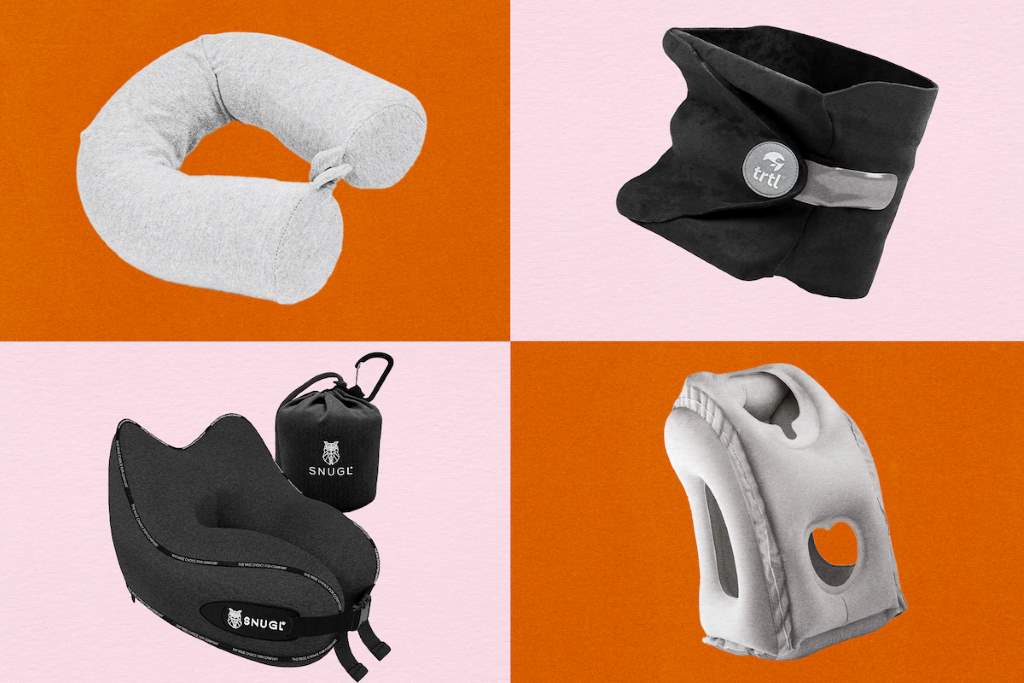
Key Differences Between Inflatable and Memory Foam Travel Pillows
Understanding the differences between inflatable vs memory foam travel pillows helps you choose wisely. Here’s a quick comparison:
- Portability: Inflatables deflate for easy packing; memory foam is bulky.
- Comfort: Memory foam contours better; inflatables feel firmer.
- Price: Inflatables are cheaper ($10–$20); memory foam costs more ($25–$50).
- Durability: Memory foam lasts longer; inflatables may leak air.
For short trips, I lean toward inflatables for their compactness. On longer journeys, memory foam’s comfort is unbeatable. Your choice depends on travel style and priorities. If you’re unsure, consider hybrid pillows combining both features, though they’re less common. Evaluate your needs to find the best fit.
Which Travel Pillow Type Suits Your Needs?
Your ideal travel pillow depends on your travel habits. Frequent flyers on short routes may prefer inflatables for their lightweight design. Backpackers also benefit from their compact size. Conversely, long-haul travelers or those with neck pain should opt for memory foam for superior support. A 2023 Sleep Foundation study found 70% of chronic pain sufferers favor memory foam.
Consider your budget and packing style. If you travel light, an inflatable pillow saves space. For comfort-driven travelers, memory foam is worth the extra weight. During my travels, I’ve used both, switching based on trip length. Test both types if possible, as personal comfort varies. Ultimately, the best choice balances portability, support, and cost.
Tips for Choosing the Best Travel Pillow
Selecting the right pillow enhances your travel experience. Here are practical tips:
- Assess Trip Length: Choose inflatables for short trips, memory foam for long ones.
- Check Material: Ensure inflatables have soft covers; opt for breathable memory foam.
- Test Firmness: Adjustable inflatables suit varied preferences; memory foam should feel supportive.
- Read Reviews: Check user feedback on sites.
I once bought a cheap inflatable pillow that leaked air, ruining my trip. Quality matters, so invest wisely. Also, consider pillow shape—U-shaped for neck support or rectangular for versatility. By weighing these factors, you’ll find a pillow that matches your needs in the inflatable vs memory foam debate.
Conclusion
In the inflatable vs memory foam travel pillow debate, both types offer unique perks. Inflatables are portable and budget-friendly, ideal for short trips or minimalist travelers. Memory foam provides superior comfort and support, perfect for long journeys or neck pain relief. Your choice hinges on travel style, budget, and comfort needs. My experience shows inflatables suit quick getaways, while memory foam shines for extended travel. According to Sleep Foundation (2023), 68% of travelers value comfort above all. Test both to find your fit. Share your travel pillow preferences in the comments or spread this guide to help others choose wisely!
FAQs
Are Inflatable Travel Pillows Comfortable for Long Flights?
Inflatables can be comfortable for short flights but may need reinflation. Memory foam often provides better support for long flights.
Which Travel Pillow Type Is More Durable?
Memory foam pillows last longer, often 3–5 years. Inflatables may puncture or lose air over time.
Can Memory Foam Travel Pillows Be Packed Easily?
Memory foam pillows are bulkier, making them harder to pack. Inflatables are more compact for tight luggage.
Do Inflatable Travel Pillows Cause Neck Pain?
Poor-quality inflatables may cause discomfort if they deflate. Choose high-quality options for better support.
Which Travel Pillow Type Is Best for Budget Travelers?
Inflatables are cheaper, costing $10–$20, making them ideal for budget-conscious travelers compared to memory foam.