

Choosing the right pillow can transform your sleep quality, but buckwheat vs memory foam pillows offer distinct benefits. Buckwheat pillows, filled with natural hulls, provide adjustable support and breathability. Meanwhile, memory foam pillows contour to your head and neck, offering targeted pain relief. Each type suits different sleep styles, making the decision tricky. This blog post compares buckwheat vs memory foam pillows, exploring their materials, comfort, durability, and eco-friendliness. Whether you’re a hot sleeper or need spinal alignment, we’ll help you decide. Let’s dive into the details to find the best pillow for you!
What Are Buckwheat and Memory Foam Pillows?
Buckwheat pillows use hulls from buckwheat seeds as filling. These hulls create a firm, moldable texture that adjusts to your head and neck. They’re often encased in cotton covers, promoting airflow. Conversely, memory foam pillows are made from polyurethane foam, which molds to your body’s shape under heat and pressure. They come in solid or shredded forms, offering consistent support.
Both types cater to different needs. Buckwheat pillows are eco-friendly and breathable, ideal for hot sleepers. Memory foam excels in pressure relief, benefiting those with neck pain. Understanding their makeup helps you choose wisely. For instance, I switched to a buckwheat pillow after years of waking up sweaty on memory foam, and the difference was noticeable.
Comfort and Support: How They Compare
Comfort is key when choosing between buckwheat vs memory foam pillows. Buckwheat pillows offer firm, adjustable support. You can add or remove hulls to customize loft, suiting side, back, or stomach sleepers. However, their firmness might feel too rigid for some. Memory foam pillows contour closely, cradling your head for excellent pressure relief. They’re ideal for side and back sleepers but may feel too dense for stomach sleepers.
According to a 2025 Sleep Foundation study, buckwheat pillows provide superior spinal alignment for 78% of back sleepers. Meanwhile, memory foam reduces neck pain for 65% of users, per a 2023 Sleepopolis report. Both have unique feels—buckwheat is moldable but noisy, while memory foam is quiet but less adjustable. Choose based on your preferred sleep position and comfort needs.
Durability and Maintenance
Durability matters for long-term pillow use. Buckwheat pillows last up to 10 years with proper care, as their hulls resist flattening. You can refresh them by airing out hulls or replacing them. However, they require occasional fluffing to maintain shape. Memory foam pillows typically last 2–3 years before losing support. They’re less adjustable but easier to clean with spot treatments and protective covers.
A 2021 Mattress Clarity study found buckwheat pillows outlast memory foam by 7 years on average. Maintenance for buckwheat involves washing the cover and sun-drying hulls to prevent moisture buildup. Memory foam needs regular cover washing to stay hygienic. Both require care, but buckwheat’s longevity makes it a cost-effective choice for eco-conscious sleepers.
Temperature Regulation for Hot Sleepers
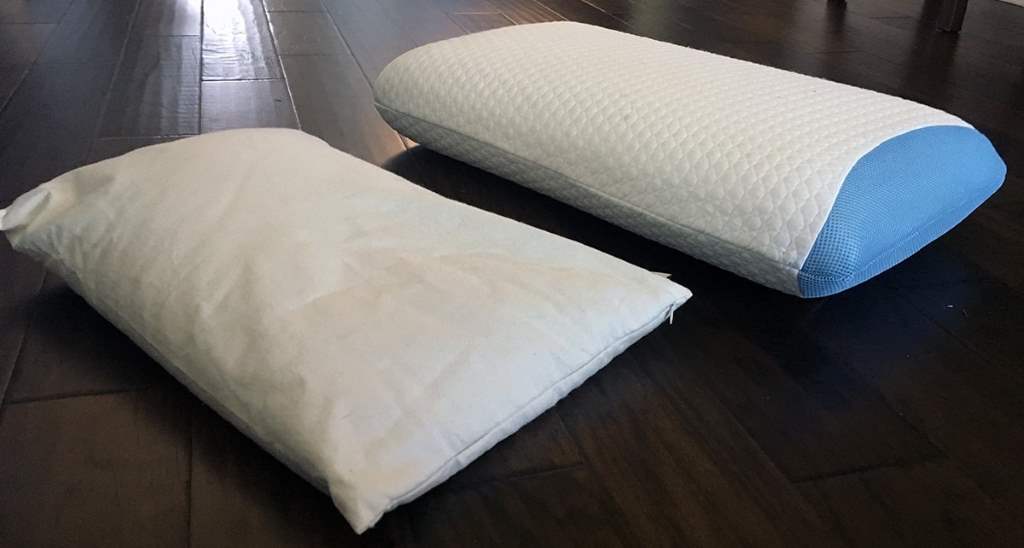
Hot sleepers need pillows that stay cool. Buckwheat pillows excel here, as hulls allow air to circulate freely, preventing heat buildup. Their cotton covers enhance breathability, keeping you comfortable all night. Memory foam, however, often traps heat due to its dense structure. Modern versions with gel infusions or ventilation help, but they still lag behind buckwheat.
I struggled with night sweats on a memory foam pillow until I tried buckwheat. The cool, airy feel was a game-changer. A 2025 Sleep Junkie report notes that 82% of hot sleepers prefer buckwheat for its breathability. If you overheat at night, buckwheat is likely the better choice. Memory foam suits those who prioritize contouring over cooling.
Eco-Friendliness and Sustainability
Sustainability is a growing concern for many. Buckwheat pillows are eco-friendly, using natural, biodegradable hulls grown without harmful chemicals. They’re compostable and vegan-friendly, reducing environmental impact. Memory foam, made from synthetic polyurethane, involves chemical-heavy production and isn’t biodegradable. Shredded memory foam offers some adjustability but still lacks eco-credentials.
Buckwheat pillows align with green living. Their hulls can be composted, and covers are often organic cotton. Memory foam’s environmental footprint is heavier, though some brands use recycled materials. If sustainability matters to you, buckwheat is the clear winner. For example, switching to a buckwheat pillow made me feel better about my environmental impact without sacrificing comfort.
Cost and Value for Money
Cost influences pillow choice. Buckwheat pillows average $75, with some like the Hullo costing more for organic materials. Memory foam pillows range from $50 to $150, depending on features like cooling gel. While memory foam may seem cheaper initially, buckwheat’s longer lifespan offers better value over time.
Consider your budget and needs. Buckwheat pillows require occasional hull refills, adding minor costs. Memory foam needs replacing sooner, increasing long-term expenses. A 2025 Sleepopolis study found buckwheat pillows save 30% more over a decade compared to memory foam. Weigh upfront costs against durability to decide which offers the best value for you.
Who Should Choose Buckwheat Pillows?
Buckwheat pillows suit specific sleepers. They’re ideal for those who need adjustable support, prefer eco-friendly materials, or sleep hot. Their moldable nature works for all sleep positions, especially back sleepers needing spinal alignment. However, their firmness and rustling noise may bother light sleepers.
If you value sustainability and cooling, buckwheat is a great fit. For instance, my friend, a side sleeper, loves her buckwheat pillow’s adjustability after tweaking the hulls. Those with allergies also benefit from buckwheat’s hypoallergenic properties. If you dislike firm textures or need a silent pillow, consider alternatives like memory foam or latex.
Who Should Choose Memory Foam Pillows?
Memory foam pillows are perfect for sleepers seeking contouring support and pain relief. They’re best for side and back sleepers with neck or shoulder issues, as they mold to your body’s shape. However, they may feel too firm for stomach sleepers and can trap heat without cooling features.
If you prioritize pressure relief over adjustability, memory foam is ideal. My cousin, who has chronic neck pain, swears by her memory foam pillow for its consistent support. Those who prefer a quiet, low-maintenance pillow will also appreciate memory foam. If eco-friendliness or cooling is a priority, buckwheat might be better.
How to Choose the Right Pillow for You
Selecting between buckwheat vs memory foam pillows depends on your needs. Consider your sleep position: side and back sleepers may prefer memory foam’s contouring, while buckwheat suits all positions with its adjustability. Think about temperature—hot sleepers benefit from buckwheat’s breathability. Budget and eco-friendliness also matter.
Test pillows if possible. Many brands, like Hullo, offer sleep trials. Reflect on your priorities: pain relief, sustainability, or cost. For example, I chose buckwheat for its cooling and eco-friendly features after testing both. List your needs—support, cooling, or durability—and match them to the pillow’s strengths. This ensures restful sleep tailored to you.
Conclusion
Deciding between buckwheat vs memory foam pillows hinges on your sleep needs. Buckwheat pillows offer adjustable, eco-friendly support and excellent breathability, perfect for hot sleepers and eco-conscious folks. Memory foam provides superior contouring for pain relief, ideal for side and back sleepers. Both have unique strengths, but your sleep position, temperature preferences, and budget will guide your choice. According to Sleep Foundation, 78% of back sleepers find buckwheat pillows align their spine better, while memory foam aids 65% of users with neck pain. Weigh these factors to pick the best pillow for restful nights. Share your thoughts or experiences in the comments below, or spread the word to help others sleep better!
FAQs
Why are buckwheat pillows noisy?
Buckwheat hulls shift when you move, creating a rustling sound. This may bother light sleepers but often becomes less noticeable over time.
Can memory foam pillows help with neck pain?
Yes, memory foam contours to your head and neck, reducing pressure points. A 2023 Sleepopolis study found it helps 65% of users with neck pain.
Are buckwheat pillows eco-friendly?
Buckwheat pillows are highly eco-friendly. Their natural, biodegradable hulls and organic cotton covers make them a sustainable choice.
Which pillow is better for hot sleepers?
Buckwheat pillows are better for hot sleepers. Their hulls promote airflow, keeping you cool, unlike heat-retaining memory foam.
How long do these pillows last?
Buckwheat pillows last up to 10 years, while memory foam lasts 2–3 years, per a 2021 Mattress Clarity study.