

Pillows are essential in every home, providing comfort and support while we sleep. However, as with all household items, pillows accumulate dust, sweat, oils, and allergens over time. This leads to the need for regular cleaning. Traditional cleaning methods, such as harsh chemical detergents and dry cleaning, may contribute to environmental harm. Luckily, there are eco-friendly pillow cleaning solutions that not only protect the planet but also offer a healthier alternative for your home.
In this article, we’ll explore various eco-friendly pillow cleaning options, the pros and cons of each, and answer frequently asked questions about this sustainable cleaning practice.
Why Should You Choose Eco-Friendly Pillow Cleaning?
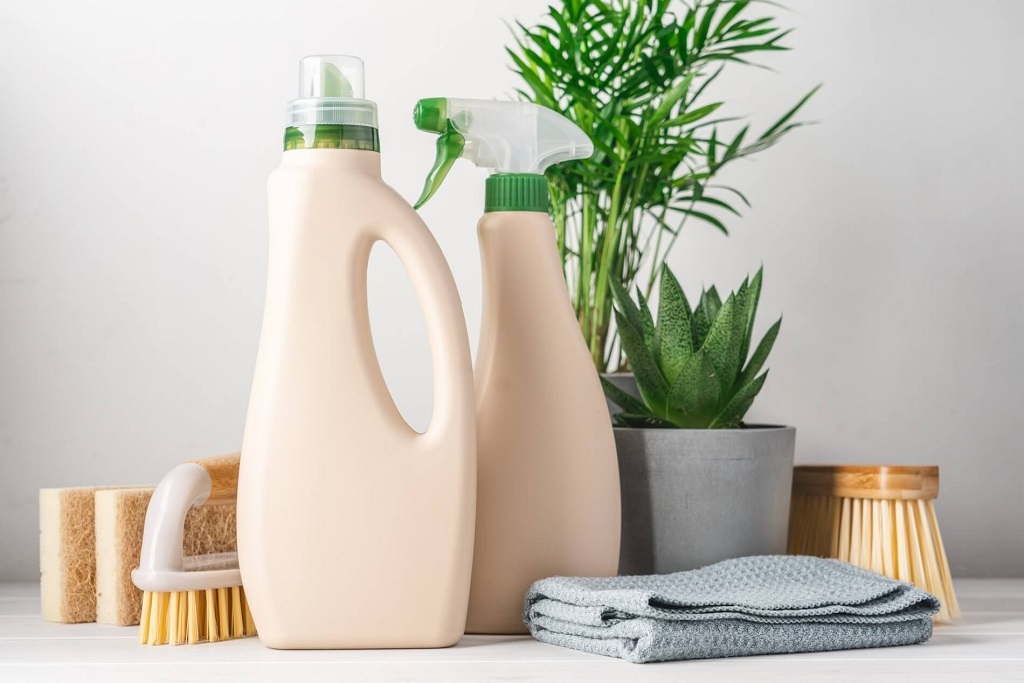
Cleaning pillows is essential for maintaining good hygiene, but using conventional methods often involves chemicals that can harm the environment. Harsh detergents and cleaning agents typically contain synthetic fragrances, dyes, and other harmful substances that pollute water systems and degrade ecosystems.
In contrast, eco-friendly pillow cleaning solutions aim to minimize environmental impact. By using natural ingredients, reusable products, and non-toxic alternatives, eco-friendly cleaning methods help reduce pollution, save water, and decrease the need for single-use plastics. Furthermore, eco-friendly options often use plant-based or biodegradable products, which break down more easily in the environment, leaving less waste behind.
Top Eco-Friendly Pillow Cleaning Solutions
Let’s dive into some of the most effective and eco-friendly methods for cleaning pillows.
1. Washing with Baking Soda and Vinegar
Baking soda and vinegar are two powerful yet natural cleaning agents that can help refresh and sanitize your pillows. This method is both cost-effective and gentle on the environment.
How to Clean:
- Step 1: Begin by removing any pillow covers and washing them separately.
- Step 2: Sprinkle a generous amount of baking soda over the pillow’s surface, ensuring it is evenly distributed.
- Step 3: Let the baking soda sit for at least 30 minutes to absorb odors and break down any dirt.
- Step 4: Vacuum the pillow to remove the baking soda.
- Step 5: Mix a cup of white vinegar with a small amount of water and lightly spray the mixture onto the pillow. The vinegar helps neutralize odors and kill bacteria.
- Step 6: Air-dry your pillow completely in a well-ventilated area.
Pros:
- Affordable and Natural: Baking soda and vinegar are inexpensive and non-toxic.
- Odor Removal: These ingredients effectively remove stubborn odors without relying on artificial fragrances.
- Non-Toxic: No harmful chemicals are involved, making this method safe for the environment and your skin.
Cons:
- Manual Effort: While this method is simple, it requires a bit of time and effort compared to a machine wash.
- Limited Deep Cleaning: For heavily soiled pillows, this method may not remove all stains or deeply embedded dirt.
2. Eco-Friendly Detergents
Using eco-friendly detergents that are free from synthetic chemicals, parabens, phosphates, and artificial fragrances is an excellent option for cleaning pillows without harming the environment. These detergents use plant-based ingredients, making them biodegradable and safe for aquatic life.
How to Clean:
- Step 1: Place the pillow in the washing machine.
- Step 2: Use an eco-friendly detergent as directed on the packaging.
- Step 3: Set your washing machine to a gentle cycle with cold water.
- Step 4: After washing, dry the pillow on a low heat setting or air dry it completely.
Pros:
- Effective: Eco-friendly detergents are specifically formulated to clean while being tough on stains and odors.
- Convenient: This method is simple and works with most machine-washable pillows.
- Environmentally Friendly: These detergents decompose naturally, minimizing harmful impacts on the environment.
Cons:
- Availability and Price: Eco-friendly detergents can be more expensive and may not be as readily available as conventional cleaning products.
- Limited to Machine-Washable Pillows: Not all pillows are machine washable, so this solution may not work for every pillow.
3. Sun Drying and Airing Out
The sun’s natural UV rays can help freshen and disinfect pillows, providing an eco-friendly option for pillow care. This method doesn’t require any chemicals, electricity, or water, making it one of the most sustainable options available.
How to Clean:
- Step 1: Remove the pillow cover and shake the pillow to dislodge dust and debris.
- Step 2: Place the pillow outside on a clean, flat surface where it can receive direct sunlight.
- Step 3: Let the pillow sit for a few hours to allow the sun to kill bacteria and deodorize it naturally.
- Step 4: Flip the pillow periodically to ensure even exposure.
Pros:
- Free and Sustainable: This method requires no additional costs or chemicals.
- Deodorizes Naturally: The sun’s UV rays help neutralize odors and sanitize the pillow.
- Eco-Friendly: It conserves water and energy and leaves no waste behind.
Cons:
- Weather Dependent: Sun drying is only effective on sunny days with proper weather conditions.
- Time-Consuming: It may take several hours to fully air out the pillow.
4. Washing with Essential Oils
Essential oils such as lavender, eucalyptus, and tea tree oil are known for their antibacterial and deodorizing properties. Incorporating essential oils into your pillow cleaning routine can provide both a natural scent and an eco-friendly solution.
How to Clean:
- Step 1: Add a few drops of your preferred essential oil (lavender for relaxation or tea tree for antibacterial properties) to your eco-friendly detergent or a bowl of water.
- Step 2: Wash your pillow in the washing machine or by hand using the scented water and detergent mixture.
- Step 3: Dry the pillow as you normally would.
Pros:
- Aromatherapy Benefits: Essential oils can help promote better sleep and relaxation.
- Natural and Non-Toxic: Essential oils are plant-based and free from harmful chemicals.
Cons:
- Potential Allergens: Some individuals may be sensitive or allergic to essential oils, so it’s essential to test them on a small surface first.
- Possible Staining: Depending on the type of essential oil used, there’s a small risk of staining delicate fabrics.
5. Hand-Washing with Natural Soap
For pillows that are not machine washable, hand-washing with natural soap can be an effective eco-friendly solution. Castile soap, made from plant oils, is a gentle and biodegradable option that works well for washing pillows by hand.
How to Clean:
- Step 1: Fill a bathtub or large basin with lukewarm water.
- Step 2: Add a small amount of castile soap to the water and mix to create suds.
- Step 3: Submerge the pillow into the soapy water and gently agitate it.
- Step 4: Rinse thoroughly with clean water until all soap residue is gone.
- Step 5: Squeeze out excess water and allow the pillow to air dry.
Pros:
- Gentle on Fabrics: Castile soap is mild and doesn’t damage delicate pillow materials.
- Non-Toxic: This method uses an entirely natural soap, which is safe for the environment.
Cons:
- Time-Consuming: Hand-washing can take longer than machine washing, especially for larger pillows.
- Requires Extra Care: It’s important to rinse thoroughly to avoid soap residue on the pillow.
Pros and Cons of Eco-Friendly Pillow Cleaning Solutions
Pros:
- Healthier for You and the Environment: Eco-friendly cleaning options eliminate the use of harmful chemicals, which can irritate your skin and eyes, and also reduce water pollution.
- Cost-Effective: Many eco-friendly cleaning solutions, such as baking soda and vinegar, are inexpensive and commonly found in most homes.
- Sustainable: These methods reduce the need for disposable products and synthetic chemicals, aligning with a greener lifestyle.
- Non-Toxic: There’s less concern about harmful residue on your pillows, which means fewer allergens and irritants to worry about.
Cons:
- Limited Effectiveness on Heavy Stains: Some eco-friendly methods might not be as effective on deep stains or heavily soiled pillows.
- Manual Effort Required: Some methods require more time and effort compared to traditional cleaning, such as sun drying or hand washing.
- Availability of Eco-Friendly Products: Not all eco-friendly detergents and products are available everywhere, and they may come at a higher cost than regular alternatives.
Frequently Asked Questions (FAQs)
1. How often should I clean my pillows?
Pillows should generally be cleaned every 3-6 months, depending on usage. If you notice stains, odors, or allergens, it’s best to clean them more frequently.
2. Can I use eco-friendly cleaning methods for all types of pillows?
Most eco-friendly cleaning methods work well for synthetic and cotton-filled pillows. However, specialty pillows, such as memory foam or down feathers, may require specific care, so be sure to follow the manufacturer’s cleaning guidelines.
3. Is it safe to wash pillows in the washing machine?
Yes, most machine-washable pillows can be cleaned in the washing machine, especially with eco-friendly detergent. Always check the care label for instructions on water temperature and washing cycles.
4. What is the best way to remove pillow odors?
Baking soda and vinegar are both excellent for eliminating odors. You can also use essential oils like lavender or eucalyptus for a fresh, pleasant scent.
5. Are eco-friendly cleaning products more expensive than regular ones?
While some eco-friendly products may cost more upfront, their benefits in terms of health and environmental sustainability make them a worthwhile investment. Plus, many natural ingredients, like vinegar and baking soda, are very affordable.
Conclusion
Maintaining clean and fresh pillows is essential for health, comfort, and sleep quality. By switching to eco-friendly pillow cleaning solutions, you can contribute to a healthier environment while also caring for your personal well-being. Whether you opt for natural ingredients like baking soda, choose an eco-friendly detergent, or harness the power of the sun, there are numerous ways to keep your pillows clean without harming the planet.
By understanding the pros, cons, and best practices of these methods, you’ll be able to make an informed decision and enjoy the benefits of a greener, healthier lifestyle.