

Decorative pillows are a charming addition to any home. They add color, texture, and style to sofas, beds, and even outdoor furniture. However, like any other home accessory, they require maintenance and cleaning to keep them looking fresh and inviting. Cleaning decorative pillows might seem like a daunting task, but with the right approach, you can keep your pillows in pristine condition for years.
This comprehensive guide will walk you through the process of washing decorative pillows, including various methods depending on the pillow type. We will also dive into the pros and cons of cleaning your pillows and answer some frequently asked questions to help you maintain your decorative pieces.
Why You Should Wash Decorative Pillows
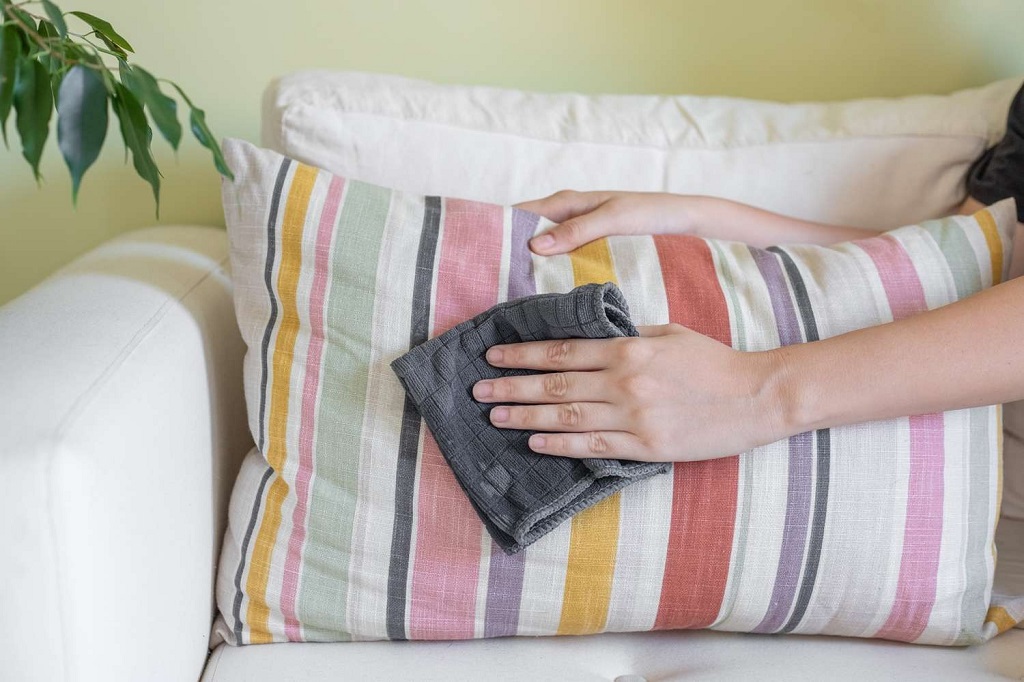
Decorative pillows accumulate dust, dirt, oils, and allergens over time. While they may not be something you clean regularly, giving them a wash every few months can significantly improve your indoor air quality and enhance the overall cleanliness of your living space. Additionally, keeping pillows fresh ensures they continue to provide comfort and remain visually appealing.
Pillows are often exposed to body oils, makeup, pet dander, food stains, and more. If left uncleaned for too long, these particles can break down the fabric, causing discoloration, smells, and the accumulation of bacteria. Washing them regularly will not only help keep your space healthy but also prolong the life of your pillows.
Step-by-Step Guide on How to Wash Decorative Pillows
The method you use to clean decorative pillows largely depends on the material they are made from. Some decorative pillows are easy to wash in a machine, while others may require a more delicate approach. Here are detailed instructions on how to wash different types of pillows.
1. Washing Machine Method
Most fabric decorative pillows are machine washable, but it’s essential to read the care label before proceeding. Here’s how to do it:
Step 1: Check the Care Label
Always check the care instructions on the pillow’s label. Some pillows have delicate fabrics, such as silk or velvet, that require dry cleaning or special washing techniques. Others may have removable covers that can be washed separately. If the pillow is labeled “spot clean only” or “dry clean only,” consider taking it to a professional cleaner.
Step 2: Prepare the Pillow
If your pillow has a removable cover, unzip it and wash only the cover. If the pillow is non-removable, check for any loose threads or damage before washing. Place the pillow in a laundry bag to avoid damage to the fabric and prevent the pillow from getting misshapen during the wash.
Step 3: Use the Right Detergent
Use a gentle, mild detergent suitable for delicate fabrics. Strong detergents can strip the pillow’s fabric of its color or texture, so it’s best to choose one that is specifically formulated for delicate or gentle washing.
Step 4: Wash with Care
Set your washing machine to the gentle cycle using cold or lukewarm water. Avoid using hot water, as this can cause shrinkage or damage to some fabrics. Washing on a delicate cycle will reduce the agitation and minimize the risk of damaging the pillow.
Step 5: Drying
Avoid machine drying decorative pillows unless their care label specifically states that they can be tumble-dried. To air dry, reshape the pillow to its original form and lay it flat on a drying rack. If you choose to tumble dry, use a low-heat setting and add a few clean tennis balls or dryer balls to help fluff the pillow back to its original shape.
2. Hand Washing Method
For more delicate or high-maintenance pillows, hand washing is a gentler alternative to machine washing. Here’s how to do it:
Step 1: Fill a Basin with Water
Fill a basin or bathtub with lukewarm water. Add a small amount of mild detergent. Agitate the water to create suds.
Step 2: Submerge and Soak
Submerge your pillow in the water and gently squeeze it to let the soapy water penetrate the fibers. Avoid scrubbing or wringing the pillow, as this can damage the fabric or stuffing.
Step 3: Rinse Thoroughly
After a few minutes, remove the pillow from the soapy water and rinse it thoroughly under cool running water until all soap residue is gone.
Step 4: Drying
Gently press out excess water without wringing the pillow. You can also use a towel to help absorb moisture. Once you’ve removed as much water as possible, reshape the pillow and lay it flat to dry.
3. Spot Cleaning Method
For minor stains or for pillows that cannot be fully submerged in water, spot cleaning is an effective solution. Here’s how to do it:
Step 1: Prepare a Cleaning Solution
Mix a small amount of mild detergent with water or use a specialized fabric cleaner. If the stain is oil-based, try using a solution of vinegar and water or dish soap.
Step 2: Dab the Stain
Using a clean cloth or sponge, gently dab the stained area. Be sure not to rub the stain, as this can spread it. Continue blotting until the stain begins to lift.
Step 3: Rinse the Area
After cleaning the stain, dab the area with a cloth soaked in clean water to remove any soap residue.
Step 4: Dry the Pillow
After spot cleaning, allow the pillow to air dry completely. You may want to press down gently on the pillow to help it retain its shape.
Pros and Cons of Washing Decorative Pillows
Washing decorative pillows comes with its own set of benefits and drawbacks. Let’s break them down:
Pros
- Improved Cleanliness: Regular cleaning helps remove dust, allergens, and stains, creating a healthier environment in your home.
- Increased Lifespan: Proper care can prolong the life of your pillows by preventing buildup that can cause deterioration of the fabric and stuffing.
- Enhanced Comfort: Clean pillows provide more comfort and are more inviting to guests and family members.
- Odor Removal: Washing removes body oils, pet dander, and food particles, which can cause unpleasant odors in your pillows.
- Restored Aesthetic: Regular washing ensures your decorative pillows remain bright, vibrant, and free from discoloration.
Cons
- Fabric Damage: If not washed properly, decorative pillows can suffer from shrinkage, fading, or fabric damage. Delicate fabrics may require special care or professional cleaning.
- Time-Consuming: Washing pillows, especially when done by hand, can be a time-consuming process, especially if you have multiple pillows to clean.
- Stuffing Clumping: Some pillow fillings may shift or clump together when washed, making it difficult to get them back to their original fluffy state.
- Complexity of Care: Some decorative pillows, particularly those with intricate embellishments or designs, may require extra care to preserve their aesthetic quality.
Frequently Asked Questions (FAQs)
1. How often should I wash my decorative pillows?
The frequency depends on the pillow’s use and location. Pillows used frequently (e.g., couch pillows) should be washed every 3-6 months, while decorative pillows that are rarely used can be cleaned once or twice a year.
2. Can I wash pillows with sequins or beads?
Pillows adorned with sequins, beads, or other embellishments should be washed with caution. Always check the care instructions, and if the embellishments are delicate, it’s best to spot clean the fabric or opt for dry cleaning.
3. Can I machine wash throw pillows with polyester filling?
Yes, most polyester-filled pillows can be machine washed. However, always check the care label first. Use a gentle cycle and cold water to avoid damage.
4. How do I keep my pillows from becoming lumpy after washing?
To prevent lumps in your pillow after washing, make sure to fluff it regularly during the drying process. If machine drying, use dryer balls to help keep the filling evenly distributed.
5. Can I wash my outdoor decorative pillows?
Outdoor pillows can usually be machine washed, but they often require specific care. Make sure they are made from materials that are machine washable (e.g., polyester or acrylic fabrics), and always follow the care label for the best results.
Conclusion
Washing decorative pillows is an essential part of home maintenance, ensuring that your space remains clean, fresh, and visually appealing. By following the right cleaning methods for your pillow type and adhering to the care instructions, you can keep your pillows looking great for years to come. Whether you choose to machine wash, hand wash, or spot clean, the effort you put into caring for your decorative pillows will pay off in comfort and longevity.
With the pros and cons in mind, be sure to clean your pillows regularly to keep your living spaces cozy and inviting, without compromising the integrity of your decorative accents.