

Airplane travel often sounds glamorous—until you’re stuck in a cramped seat with a stiff neck and no way to rest comfortably. For frequent flyers and casual travelers alike, one item can change your in-flight experience dramatically: a travel pillow. But with endless shapes, materials, and brands flooding the market, how do you choose the right travel pillow for airplane trips? Here’s everything you need to know, from expert tips to data-backed decisions.
Why Your Travel Pillow Choice Matters
According to the National Sleep Foundation, 61% of travelers experience neck or back discomfort during long flights. Most commercial airplane seats don’t support your head or spine. A well-designed travel pillow bridges that gap. It offers ergonomic support, aligns your neck, and reduces strain, potentially turning a red-eye flight into an actual rest opportunity.
However, not all travel pillows are created equal. Some offer short-term relief but cause long-term discomfort. Others pack easily but don’t support your posture. Therefore, understanding the core features that differentiate a great pillow from a poor one is crucial.
Types of Travel Pillows and What They Mean for You
Choosing the right pillow begins with understanding the options. Travel pillows come in various designs, each suited for different needs and body types.
- U-Shaped Pillows: These wrap around the neck and are the most common. They provide basic head support and prevent your head from falling sideways. However, they often leave your chin unsupported, which can cause jerking movements mid-sleep.
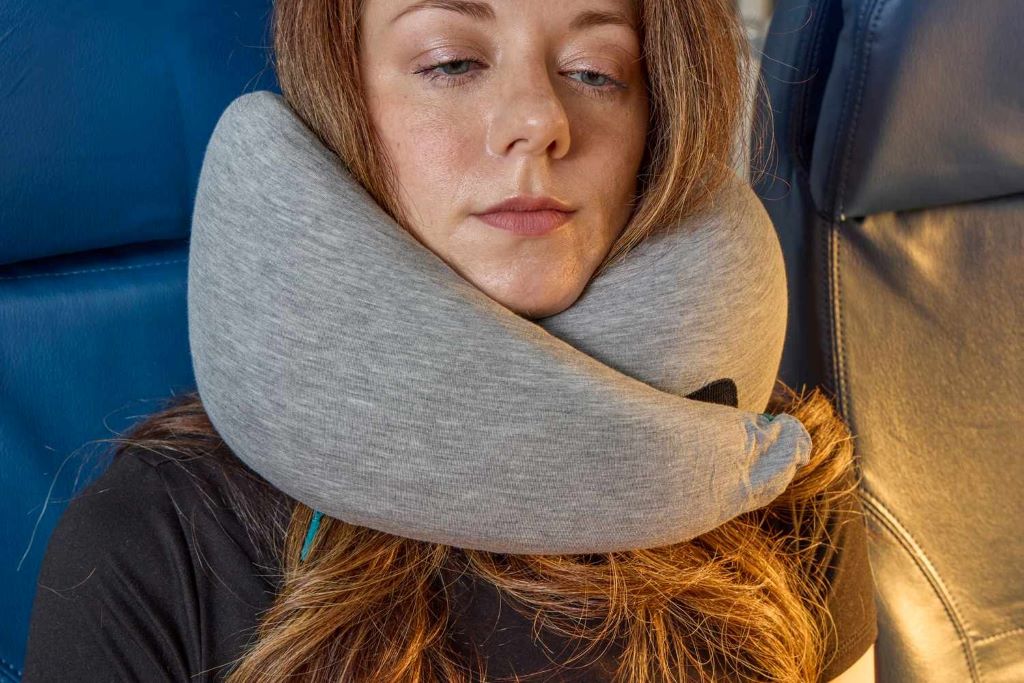
- Wrap-Around or J-Pillows: These offer chin and side support, ideal for those who doze off in different directions. A popular option is the Trtl Pillow, known for its fleece wrap and hidden support system. According to CNN Travel, the Trtl Pillow was ranked among the best for neck alignment.
- Inflatable Pillows: These are great for saving space. You can deflate them after use. However, they often lack the plushness and support of memory foam or microbead alternatives.
- Microbead Pillows: Filled with polystyrene beads, they mold well to the neck but tend to lose shape over time and can be difficult to clean.
- Memory Foam Pillows: These provide premium support, adapt to your head and neck shape, and often include additional features like chin support or cooling gel layers.
Each type addresses a specific problem. Understanding how you sleep—whether you’re a side-sleeper, head-tilter, or back-napper—helps you pick the pillow that aligns with your style.
Key Features to Look For in a Travel Pillow
When narrowing your choices, consider these features:
- Neck Support: Look for raised sides or internal support systems that hold your head upright. This reduces strain on cervical muscles.
- Chin Support: Prevents your head from falling forward. Models like the BCOZZY pillow offer this advantage.
- Material: Memory foam remains a top choice for durability and support. For allergy-prone travelers, hypoallergenic covers are essential.
- Size and Portability: If you travel light, opt for compressible or inflatable pillows. Many high-end options come with carrying pouches.
- Washability: Removable and washable covers ensure hygiene—especially after long flights or multiple trips.
- Additional Features: Built-in hoods, eye masks, or even Bluetooth speakers are now integrated into some models for added comfort.
Expert Advice: What Frequent Flyers Recommend
Travel experts often prefer function over fashion. According to airline pilot and travel blogger Captain Joe, the Cabeau Evolution S3 stands out due to its adjustable straps that attach to the airplane seat. This prevents head slumping, a common issue in standard U-shaped models.
Similarly, travel influencers like Nomadic Matt recommend pillows that offer multi-directional support. He points out that comfort comes from structure—not fluff. In his words, “a soft pillow with no support is worse than no pillow at all.”
Practical Use: Real-World Testing
Reviews on sites like Wirecutter and Sleep Foundation consistently rank the Trtl Pillow, Cabeau Evolution, and BCozzy among the best. Testers reported improved sleep quality and reduced neck stiffness after using these pillows on 8+ hour flights. However, bulky models lost points in portability.
Also, consider the length of your flight. For a two-hour flight, a basic U-shape might suffice. For long-haul or red-eye flights, invest in a pillow that secures your head and supports your posture throughout.
Travel Pillow and Sleep Quality: Is There a Connection?
Yes—deeply so. A study published in the Journal of Chiropractic Medicine found that proper neck support during prolonged sitting improves spinal alignment and sleep continuity. That’s why a good travel pillow isn’t just about comfort—it’s about health. Poor posture during flights can contribute to chronic neck and shoulder pain, according to the American Chiropractic Association.
Additionally, maintaining a proper sleep angle while flying reduces your chances of developing deep vein thrombosis (DVT), especially on flights over four hours.
Featured Snippet: What Is the Best Type of Travel Pillow for Airplane Use?
The best travel pillow for airplane trips depends on your sleep style, neck sensitivity, and luggage space. For most travelers, memory foam pillows like the Cabeau Evolution S3 or Trtl Pillow offer superior support, adjustability, and comfort. Side sleepers may benefit from wrap-around designs, while frequent flyers prefer models with chin support and washable covers. Ultimately, the right travel pillow combines ergonomic design with compact portability to ensure restful in-flight sleep. Always test different styles before settling, and prioritize structure over softness.
FAQs on Travel Pillows
- Are travel pillows worth it for short flights?
Yes, especially if you often fall asleep or experience neck discomfort, even on short trips. - Is memory foam better than inflatable pillows?
Memory foam offers more consistent support, but inflatable pillows win on portability. - Can you bring a travel pillow on a plane?
Absolutely. Most airlines allow travel pillows as part of your personal carry-on item. - How do I clean my travel pillow?
Choose models with removable, washable covers. Avoid immersing memory foam in water. - Is chin support really necessary?
For long-haul flights, chin support prevents head bobbing and neck strain, enhancing sleep quality. - Are there travel pillows for kids?
Yes, many brands offer child-sized versions with fun designs and softer materials. - Do travel pillows help with snoring?
They can, indirectly. Proper neck alignment opens airways and reduces snoring, especially in upright sleeping positions.
Final Thought: Your In-Flight Comfort Depends on This Small Decision
Traveling doesn’t have to mean enduring discomfort. A high-quality travel pillow tailored to your body and sleep habits can transform your journey. It’s a small investment for a big return—better sleep, less pain, and a more enjoyable arrival. Choose wisely by prioritizing support, portability, and real-world use. Don’t just follow trends; trust the logic and comfort behind your choice.
As more travelers demand ergonomic comfort, brands are innovating faster than ever. With the right information and a little testing, you can find a travel pillow that truly elevates your flying experience—literally and figuratively.
Read More: