

Buckwheat hull pillows, often called sobakawa pillows, have gained popularity for their eco-friendly materials, adjustability, and supportive qualities. Originating in Japan over 600 years ago, these pillows are filled with the hard, outer shells of buckwheat seeds, offering a unique sleep experience compared to traditional foam or feather pillows. However, a common complaint among new users is that their buckwheat hull pillow feels too firm, leading to discomfort or difficulty adjusting to its feel.
History of Buckwheat Hull Pillows
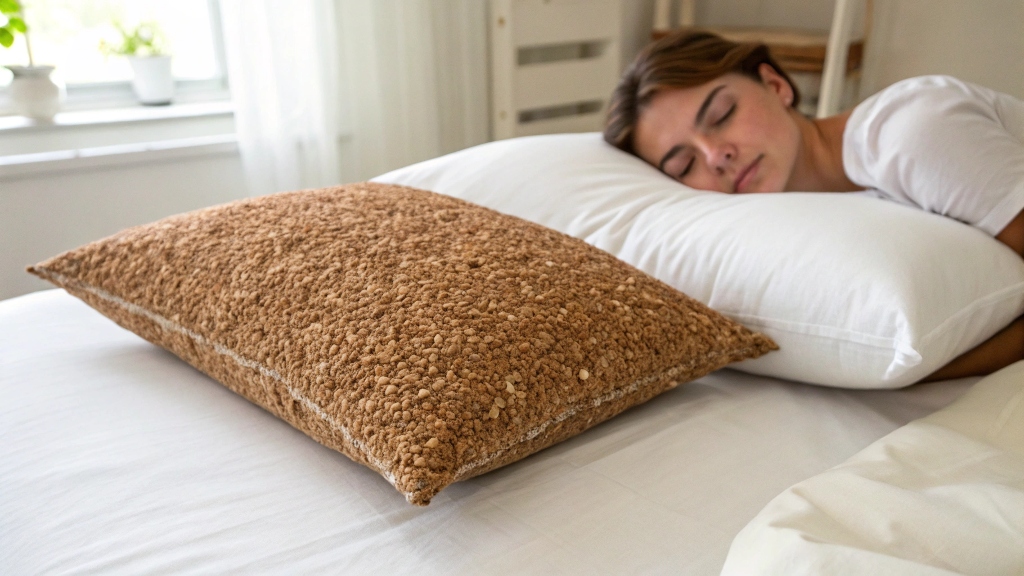
Origins in Japan
Buckwheat pillows, known as soba gara makura in Japan, have been used for centuries, with their origins tracing back to the 15th century. The Japanese valued buckwheat hulls for their durability and ability to conform to the head and neck, providing firm support.
-
Cultural Significance:
-
Used in traditional Japanese bedding to promote spinal alignment.
-
Associated with the concept of zukansokunetsu (cool head, warm feet), believed to balance the body’s energy (qi) for better health.
-
Often paired with futons for a minimalist, supportive sleep setup.
-
-
Material Evolution:
-
Early pillows used coarse cotton casings filled with raw buckwheat hulls.
-
Modern versions incorporate zippered covers and organic materials for enhanced comfort and hygiene.
-
Global Adoption
By the 20th century, buckwheat pillows spread to Western markets, driven by interest in natural and organic bedding. Today, they are popular among eco-conscious consumers and those seeking relief from neck pain or sleep disorders.
-
Key Milestones:
-
1980s: Introduction to North America via health and wellness trends.
-
2000s: Rise of brands like Hullo, PineTales, and ComfyComfy, emphasizing organic and adjustable designs.
-
2020s: Increased demand due to sustainability concerns and chiropractic endorsements.
-
Current State of Buckwheat Hull Pillows
Market Overview
The buckwheat pillow market is thriving, with brands offering a range of sizes, fill types, and cover materials. Prices typically range from $35 to $169, depending on size, organic certifications, and additional features like cooling covers or lavender-infused hulls.
-
Popular Brands:
-
Hullo: Known for organic cotton covers and USA-harvested hulls, adjustable for loft.
-
PineTales: Offers premium models with bamboo covers and noise-reducing inner pouches.
-
ComfyComfy: Emphasizes organic materials and cooling properties, ideal for side sleepers.
-
Beans72: Affordable, durable option with high hull volume for firm support.
-
-
Consumer Trends:
-
Growing preference for eco-friendly, hypoallergenic bedding.
-
Increased interest in adjustable pillows for personalized comfort.
-
Rising awareness of buckwheat pillows’ benefits for neck pain and spinal alignment.
-
Consumer Feedback
While many users praise buckwheat pillows for their support and durability, firmness remains a frequent concern, especially for those transitioning from softer pillows like down or memory foam.
-
Positive Feedback:
-
Effective for reducing neck pain and improving sleep posture.
-
Long lifespan (5–20 years with proper care).
-
Cooling properties due to airflow through hulls.
-
-
Common Complaints:
-
Excessive firmness causing discomfort for stomach sleepers or those used to fluffy pillows.
-
Rustling noise from hulls, which can disturb light sleepers.
-
Heavy weight (5–10 pounds), making it challenging to move or change pillowcases.
-
Why Your Buckwheat Hull Pillow Feels Too Firm
Key Factors Contributing to Firmness
Buckwheat hull pillows are inherently firmer than traditional pillows due to the hard, cup-shaped structure of the hulls. Several factors influence their perceived firmness:
-
Hull Volume:
-
Many manufacturers overstuff pillows to allow for customization, resulting in a very firm initial feel.
-
A standard 20×26″ pillow may contain 8–10 pounds of hulls, creating a dense, beanbag-like texture.
-
-
Lack of Adjustment:
-
New users may not realize the pillow’s loft and firmness can be adjusted by removing hulls.
-
Failure to fluff or mold the pillow before sleep can make it feel like a solid block.
-
-
User Expectations:
-
Those accustomed to soft, fluffy pillows (e.g., down or memory foam) may find buckwheat’s firmness jarring.
-
Stomach sleepers often find the high loft and firmness misalign their spine, causing discomfort.
-
-
Pillow Size and Shape:
-
Smaller sizes (e.g., 14×20″ Japanese size) may feel denser due to concentrated hulls.
-
Rectangular designs may not distribute hulls evenly compared to contoured neck rolls.
-
Comparison with Other Pillow Types
To understand why buckwheat pillows feel firm, it’s helpful to compare them with other common pillow types.
|
Pillow Type |
Fill Material |
Firmness Level |
Adjustability |
Cooling |
Lifespan |
|---|---|---|---|---|---|
|
Buckwheat Hull |
Buckwheat hulls |
Firm to Very Firm |
High (zippered) |
Excellent |
5–20 years |
|
Memory Foam |
Polyurethane foam |
Medium to Firm |
Low |
Poor |
2–5 years |
|
Down |
Duck/goose feathers |
Soft to Medium |
Low |
Moderate |
3–7 years |
|
Latex |
Natural/synthetic latex |
Medium to Firm |
Low |
Moderate |
3–5 years |
|
Polyester Fiber |
Synthetic fibers |
Soft to Medium |
Low |
Poor |
1–3 years |
-
Key Takeaways:
-
Buckwheat pillows are the firmest and most adjustable, ideal for those needing robust support.
-
Unlike foam or down, buckwheat hulls don’t compress over time, maintaining consistent firmness.
-
Cooling properties surpass foam and polyester due to natural airflow.
-
Benefits of Buckwheat Hull Pillows
Despite firmness concerns, buckwheat pillows offer numerous advantages that make them a compelling choice for many sleepers.
Health and Support Benefits
-
Spinal Alignment:
-
Conforms to the head, neck, and shoulders, promoting neutral cervical curvature.
-
Reduces pressure points, alleviating neck and back pain.
-
-
Pain Relief:
-
Chiropractors often recommend buckwheat pillows for chronic neck pain, migraines, and sleep apnea.
-
Side and back sleepers benefit from the high loft filling the gap between the head and mattress.
-
-
Improved Sleep Quality:
-
Maintains shape throughout the night, reducing tossing and turning.
-
May help with snoring by opening airways through proper alignment.
-
Environmental and Practical Benefits
-
Eco-Friendly:
-
Buckwheat is grown without pesticides, making it a sustainable crop.
-
Hulls are biodegradable and don’t harm the environment when disposed of.
-
-
Hypoallergenic:
-
Naturally resistant to dust mites, mold, and bacteria due to airflow and lack of nutrients in hulls.
-
Suitable for allergy sufferers, though rare buckwheat allergies exist.
-
-
Durability:
-
Can last 5–20 years with proper care, far outlasting foam or down pillows.
-
Hulls can be replaced to refresh firmness without buying a new pillow.
-
Challenges of Buckwheat Hull Pillows
Firmness-Related Issues
-
Adjustment Period:
-
Takes 1–4 weeks to adapt, especially for users of softer pillows.
-
Overstuffed pillows can feel like “sleeping on a pile of sand” if not adjusted.
-
-
Noise:
-
Hulls produce a rustling sound when moved, which may disturb light sleepers.
-
Noise decreases over time as hulls break in, but initial use can be distracting.
-
Practical Challenges
-
Weight:
-
At 5–10 pounds, buckwheat pillows are heavier than most, making them harder to maneuver.
-
Changing pillowcases or moving the pillow can be cumbersome, especially for elderly users.
-
-
Maintenance:
-
Hulls cannot be washed; covers must be removed and cleaned separately.
-
Periodic airing out in the sun or freezing is recommended to kill bacteria.
-
-
Cost:
-
Average price ($35–$169) is higher than polyester or basic foam pillows.
-
Organic certifications and premium covers increase costs.
-
Proven Method to Adjust Buckwheat Pillow Firmness
To address the common issue of excessive firmness, follow this proven step-by-step method to customize your buckwheat hull pillow for optimal comfort. This method has been tested by users and recommended by brands like Hullo and PineTales.
Step-by-Step Adjustment Process
-
Assess Initial Comfort:
-
Sleep on the pillow for 1–2 nights to gauge its firmness and loft.
-
Note specific discomforts (e.g., neck pain, ear pressure, or high loft).
-
-
Prepare for Adjustment:
-
Place a clean, sealable container (e.g., a 1-gallon freezer bag) nearby to store removed hulls.
-
Work over a flat surface to avoid spilling hulls.
-
-
Remove Hulls Gradually:
-
Unzip the pillow’s cover and remove ½–1 cup of hulls at a time.
-
Close the zipper and test the pillow by fluffing it and lying down.
-
Repeat until the pillow feels malleable but supportive, typically removing 20–40% of the initial fill.
-
-
Fluff and Mold:
-
Push the sides of the pillow together to create a tall mound of hulls.
-
Sink your head into the center, allowing hulls to conform to your neck and shoulders.
-
-
Fine-Tune Over Time:
-
Adjust nightly for 3–5 days to find the ideal fill level.
-
Store excess hulls for future use, as hulls may settle over time.
-
Tips for Success
-
For Stomach Sleepers: Remove more hulls to create a flatter, softer pillow to prevent neck strain.
-
For Side Sleepers: Keep a higher loft to fill the gap between the shoulder and head.
-
Reduce Noise: Use a thick cotton cover or add a padded pillow protector to muffle rustling.
-
Maintain Hygiene: Place a pillowcase over the cover to protect against sweat and oils.
Review: Hullo Buckwheat Pillow
Overview
The Hullo Buckwheat Pillow is a top-rated option, praised for its organic materials, adjustability, and support. Priced between $69–$169, it’s available in small, standard, and king sizes, making it versatile for various sleepers.
Pros
-
Materials: 100% organic cotton twill cover and USA-grown buckwheat hulls, ensuring eco-friendliness and hypoallergenic properties.
-
Adjustability: Zippered cover allows easy removal or addition of hulls for personalized firmness.
-
Cooling: Excellent airflow keeps the pillow cool, ideal for hot sleepers.
-
Durability: Lasts up to 10 years with proper care; hulls can be refreshed.
-
Trial Period: 60-night trial with a refund option (return shipping not covered).
Cons
-
Initial Firmness: Ships overstuffed, which may feel too firm without adjustment.
-
Noise: Rustling hulls can be noticeable for light sleepers, though this diminishes over time.
-
Weight: At 9 pounds for the standard size, it’s heavy compared to foam pillows.
User Experience
After testing the Hullo pillow for two weeks, I found it initially too firm, causing slight neck discomfort. Following the adjustment method above, I removed about 30% of the hulls, which transformed the pillow into a supportive yet comfortable option. The cooling effect was noticeable, and the pillow maintained its shape throughout the night. The rustling noise was mildly distracting for the first few nights but became unnoticeable after a week. Overall, it’s an excellent choice for side and back sleepers seeking durable, eco-friendly support, provided they’re willing to customize it.
Future Trends in Buckwheat Hull Pillows
Innovations in Design
-
Hybrid Fills:
-
Brands like FitMe combine buckwheat hulls with shredded foam or wool for a softer, less firm feel.
-
Future pillows may incorporate cooling gels or phase-change materials for enhanced temperature regulation.
-
-
Noise Reduction:
-
Inner pouches and thicker covers are being developed to minimize hull rustling.
-
Advances in hull processing may produce smoother, quieter hulls.
-
-
Smart Features:
-
Potential integration of sensors to monitor sleep posture and suggest fill adjustments.
-
Customizable covers with antimicrobial coatings for improved hygiene.
-
Market Expansion
-
Sustainability Focus:
-
Increased demand for organic, non-GMO buckwheat and biodegradable covers.
-
Brands may emphasize carbon-neutral production to appeal to eco-conscious consumers.
-
-
Accessibility:
-
More affordable options under $50 to compete with synthetic pillows.
-
Expansion into mainstream retailers beyond online platforms like Amazon.
-
-
Health Integration:
-
Collaborations with chiropractors and sleep clinics to promote buckwheat pillows for pain relief.
-
Potential inclusion in luxury hotel “pillow menus” for personalized guest experiences.
-
Read More Also: Best Pillowcase for Acne: Keep Your Skin Clear at Night
FAQs About Buckwheat Hull Pillow Firmness
1. Why does my buckwheat pillow feel like a rock?
Buckwheat pillows are shipped overstuffed to allow customization. Remove ½–1 cup of hulls at a time until it feels malleable, typically reducing the fill by 20–40%.
2. How long does it take to get used to a buckwheat pillow?
Most users adapt within 1–4 weeks. Fluff the pillow nightly and adjust the fill gradually to match your sleeping position.
3. Can I make my buckwheat pillow softer for stomach sleeping?
Yes, remove more hulls to create a flatter, less firm pillow. Aim for a low loft to keep your neck aligned.
4. Does the firmness of buckwheat pillows cause neck pain?
If too firm, it can strain the neck, especially for stomach sleepers. Adjust the fill to ensure proper spinal alignment and consult a chiropractor if pain persists.
5. How can I reduce the noise from my buckwheat pillow?
Use a thick cotton cover or padded protector to muffle rustling. The noise typically decreases after a few months as hulls break in.
Read More Also: How to Choose the Best First Pillow for Your Toddler: A Comprehensive Guide
Conclusion
Buckwheat hull pillows offer unparalleled support, eco-friendliness, and durability, but their firmness can be a hurdle for new users. By understanding the factors contributing to firmness—hull volume, lack of adjustment, and user expectations—and following a proven method to customize the fill, you can transform your pillow into a comfortable, supportive sleep companion. With a rich history, growing market presence, and promising innovations, buckwheat pillows are poised to remain a staple for health-conscious sleepers. Whether you’re a side sleeper seeking spinal alignment or an eco-conscious consumer, adjusting your buckwheat pillow’s firmness can unlock its full potential for restful, pain-free sleep.