
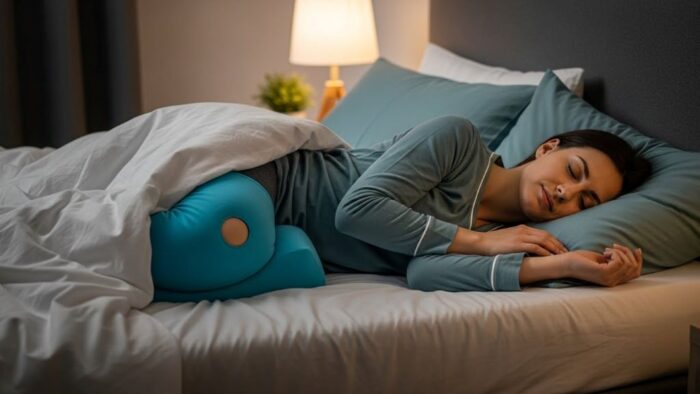
Side sleeping is one of the most common sleeping positions. However, it can create pressure on your hips. This pressure often leads to discomfort and pain. The good news is that the right bolsters and pillows can make a significant difference.
Many people struggle with hip pain at night. This issue affects sleep quality and overall health. Fortunately, strategic pillow placement can reduce pressure points. Additionally, specialized bolsters provide targeted support where you need it most.
Understanding Hip Discomfort in Side Sleepers
When you sleep on your side, your body weight concentrates on specific areas. Your hips and shoulders bear most of this pressure. Over time, this creates stress on your joints and soft tissues.
The hip joint is particularly vulnerable during side sleeping. Your upper leg pulls down due to gravity. This creates misalignment in your spine and pelvis. Therefore, proper support becomes essential for comfortable sleep.
Several factors contribute to hip discomfort while sleeping. These include mattress firmness, body weight, and existing conditions. Moreover, pregnancy and aging can increase sensitivity in the hip area. Recognizing these factors helps you choose the right support products.
Types of Pillows for Hip Support
Knee Pillows
Knee pillows are designed to fit between your legs. They keep your hips aligned during the night. This alignment reduces strain on your lower back and hips.
These pillows come in various shapes and sizes. Some are contoured to fit your leg shape perfectly. Others are simple rectangular designs. The key is finding one that stays in place throughout the night.
Memory foam knee pillows are particularly popular. They conform to your body shape while providing firm support. Additionally, they often include washable covers for easy maintenance.
Full-Length Body Pillows
Body pillows offer comprehensive support for side sleepers. They run the entire length of your body. This design supports your knees, hips, and upper body simultaneously.
Many people hug these pillows while sleeping. This position naturally aligns your spine and hips. Furthermore, body pillows can reduce the need for multiple smaller pillows.
Pregnancy pillows are a specific type of body pillow. They feature unique shapes designed for expecting mothers. However, anyone with hip discomfort can benefit from their design.
Wedge Pillows
Wedge pillows provide angled support for various body parts. When placed under your knees, they can relieve hip pressure. The gradual incline promotes better circulation and alignment.
These pillows are versatile and serve multiple purposes. You can use them behind your back or under your legs. Therefore, they offer flexibility in finding the most comfortable position.
Bolsters for Enhanced Hip Comfort
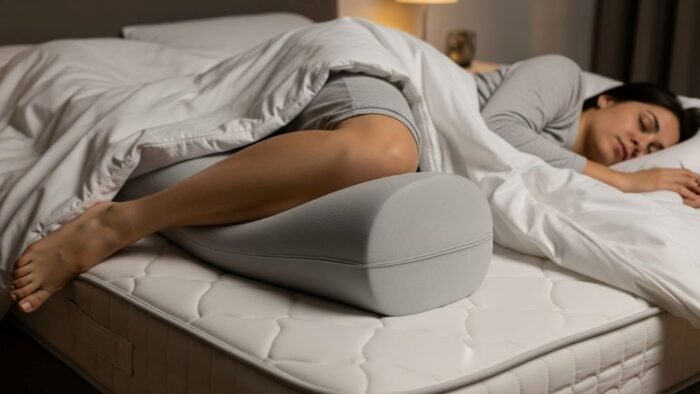
Bolsters are cylindrical pillows that provide targeted support. They work differently than traditional pillows. Their shape and firmness make them ideal for specific pressure points.
Positioning Bolsters for Hip Relief
Place a bolster between your knees for immediate relief. This creates space between your legs and reduces hip compression. The firmness of bolsters prevents them from flattening during sleep.
You can also position a bolster under your waist. This fills the gap between your body and mattress. Consequently, your spine maintains its natural curve throughout the night.
Some people prefer placing bolsters behind their back. This prevents rolling onto your back during sleep. It helps maintain the side-sleeping position consistently.
Choosing the Right Bolster Firmness
Bolster firmness varies significantly between products. Softer bolsters compress more easily under weight. Firmer options maintain their shape throughout the night.
For hip support, medium to firm bolsters work best. They provide adequate support without feeling uncomfortable. However, personal preference plays an important role in this decision.
Consider trying different firmness levels if possible. Many retailers offer trial periods for sleep products. This allows you to test the bolster before committing fully.
Materials and Features to Consider
The material composition affects comfort and durability. Memory foam adapts to your body temperature and shape. It provides customized support based on your unique anatomy.
Latex foam offers similar benefits with more bounce. It responds quickly to movement and maintains its shape well. Additionally, latex is naturally hypoallergenic and resistant to dust mites.
Polyester fill is more affordable but less supportive. These pillows require frequent fluffing and replacement. Therefore, they may not be ideal for chronic hip discomfort.
Cooling Technologies
Night sweats can worsen discomfort and disturb sleep. Many modern pillows include cooling technologies. Gel-infused memory foam helps regulate temperature throughout the night.
Breathable covers made from bamboo or cotton improve airflow. This prevents heat buildup between your legs. Consequently, you stay cooler and more comfortable.
Adjustable Options
Some pillows and bolsters feature removable inserts. This allows you to customize the thickness and firmness. You can add or remove filling based on your needs.
Adjustability is particularly useful if multiple people share pillows. Each person can configure the support to their preference. Moreover, you can modify the setup as your needs change over time.
Additional Tips for Reducing Hip Discomfort
Beyond pillows and bolsters, other factors affect hip comfort. Your mattress plays a crucial role in pressure relief. According to the Sleep Foundation, a medium-firm mattress often works best for side sleepers.
Mattress toppers can improve an existing mattress. Memory foam toppers add cushioning for pressure points. They are less expensive than replacing your entire mattress.
Regular stretching before bed helps prepare your body for sleep. Hip flexor stretches are particularly beneficial. They release tension accumulated during the day.
Maintaining a healthy weight reduces pressure on your hips. Extra weight increases the load on your joints. Therefore, even modest weight loss can improve sleep comfort.
When to Seek Professional Help
Persistent hip pain requires medical attention. If pillows and bolsters do not provide relief, consult a doctor. Underlying conditions like arthritis or bursitis may need treatment.
Physical therapy can address muscular imbalances. A therapist can recommend specific exercises and stretches. Additionally, they may suggest ergonomic adjustments to your sleep setup.
Harvard Health Publishing notes that chronic pain often has multiple contributing factors. A comprehensive approach typically yields the best results. This may include pillows, exercise, and medical treatment working together.
Maintenance and Care
Proper care extends the life of your sleep products. Most pillow covers are machine washable. Wash them regularly to maintain hygiene and freshness.
Memory foam itself should not be washed in water. Spot clean stains with mild detergent and air dry completely. Sun exposure can help eliminate odors naturally.
Replace pillows every one to two years for optimal support. Over time, materials break down and lose effectiveness. Flattened or lumpy pillows no longer provide adequate support.
Conclusion
Hip discomfort does not have to ruin your sleep quality. The right combination of bolsters and pillows makes a substantial difference. Knee pillows align your hips while body pillows offer full-length support.
Consider your specific needs when choosing sleep products. Material, firmness, and adjustability all play important roles. Additionally, proper mattress selection and regular stretching complement pillow use.
Start with one or two targeted support products. Experiment with placement and combinations to find what works best. Remember that quality sleep is essential for overall health and wellbeing. Investing in proper support pays dividends in comfort and rest.
Frequently Asked Questions
What is the best pillow thickness for side sleepers with hip pain?
The ideal thickness depends on your shoulder width and mattress firmness. Generally, a pillow between four to six inches thick works well. The goal is to keep your spine aligned from your neck through your hips. Test different thicknesses to find what feels most comfortable.
Can I use a regular pillow between my knees instead of a specialized knee pillow?
You can use a regular pillow temporarily, but it is not ideal. Regular pillows flatten easily and shift during sleep. Specialized knee pillows maintain their shape and stay positioned better. They provide more consistent support throughout the night.
How long does it take to adjust to using bolsters and support pillows?
Most people adapt within three to seven nights. Initially, the new setup may feel unusual or restrictive. Your body needs time to adjust to the improved alignment. Stick with it for at least a week before making changes.
Should I use multiple support pillows at once?
Start with one pillow and add more if needed. Too many pillows can feel restrictive and uncomfortable. A knee pillow is usually sufficient for most people. Add a body pillow or bolster only if additional support is necessary.
Do more expensive pillows provide better hip support?
Price does not always indicate better performance. Quality materials and thoughtful design matter more than cost. Read reviews and check return policies before purchasing. Many affordable options provide excellent support for hip discomfort.
Related Topics:
How to Choose the Best First Pillow for Your Toddler: A Comprehensive Guide
Best Toddler Pillow for Crib: Safe and Supportive Options for Restful Nights