
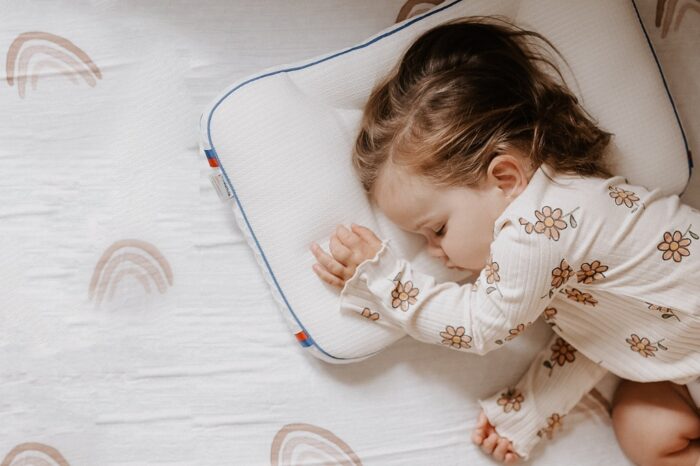
Selecting the best first pillow for your toddler is a significant milestone in their sleep journey. Ensuring they have proper support can greatly impact their comfort and overall well-being. But with so many options available, how do you make the right choice? This comprehensive guide will walk you through everything you need to know, from materials and size to safety considerations, helping you provide your little one with the perfect pillow for a restful night’s sleep.
Understanding Your Toddler’s Pillow Needs
Toddlers have different sleep needs than adults. Their bodies are still developing, and their neck and spine require specific support. Choosing the right pillow is crucial for preventing discomfort and promoting healthy alignment.
- Developmental Stage: Toddlers typically transition to a pillow between 18 months and 2 years old, or when they move from a crib to a toddler bed.
- Sleeping Habits: Observe your toddler’s sleeping position. Do they sleep on their back, side, or stomach? This will influence the type of pillow they need.
- Comfort and Safety: Prioritize comfort and safety by selecting a pillow made from hypoallergenic and breathable materials.
Key Factors to Consider When Choosing a Toddler Pillow
Finding the ideal pillow involves evaluating several crucial aspects. Let’s delve into these factors to help you make an informed decision.
-
Pillow Size and Loft
The size and loft (thickness) of the pillow are paramount for proper support.
- Size: Opt for a small, toddler-sized pillow, typically around 13×18 inches. This size is proportionate to their body and prevents them from sinking too deep.
- Loft: Choose a low-loft pillow, around 2-3 inches thick. This ensures their neck isn’t excessively elevated, which can lead to discomfort and poor spinal alignment.
- Proper Alignment: The goal is to maintain a neutral spine alignment, preventing neck strain and ensuring comfortable sleep.
-
Pillow Materials and Fillings
The materials used in the pillow play a significant role in comfort, safety, and durability.
- Hypoallergenic Materials: Select pillows made from hypoallergenic materials like organic cotton, bamboo, or natural latex. These materials minimize the risk of allergies and irritation.
- Breathable Fabrics: Breathable fabrics like cotton or bamboo allow for proper air circulation, preventing overheating and promoting a comfortable sleeping environment.
- Filling Options:
- Cotton: Soft, breathable, and hypoallergenic.
- Bamboo: Naturally hypoallergenic and moisture-wicking.
- Latex: Durable, supportive, and naturally resistant to dust mites.
- Microfiber: Soft, lightweight, and easy to clean.
- Memory Foam: Choose low density memory foam, if at all, as it may retain too much heat.
- Avoid: Avoid pillows filled with feathers or down, as they can trigger allergies and are not ideal for young children.
-
Safety Considerations
Safety is paramount when choosing any product for your toddler.
- Firmness: Ensure the pillow is firm enough to provide support but soft enough for comfort.
- Chemical-Free: Look for pillows that are free from harmful chemicals, such as flame retardants and phthalates. Certifications like Oeko-Tex Standard 100 can provide assurance.
- No Loose Fillings: Ensure the pillow has a secure cover to prevent loose fillings from becoming a choking hazard.
- Easy to Clean: Choose a pillow that is machine washable or has a removable, washable cover for easy cleaning.
-
Sleeping Position and Support
Your toddler’s sleeping position dictates the type of support they need.
- Back Sleepers: Require a thin, flat pillow to maintain proper spinal alignment.
- Side Sleepers: May benefit from a slightly thicker pillow, but still relatively thin, to support their neck and head.
- Stomach Sleepers: Generally, pillows are not recommended for stomach sleepers, as they can lead to neck strain. If a pillow is used, it should be very thin.
- Adjustable Loft: Some pillows offer adjustable loft, allowing you to customize the thickness based on your toddler’s needs.
-
Durability and Maintenance
A good toddler pillow should be durable and easy to maintain.
- Machine Washable: Opt for a pillow that is machine washable for easy cleaning.
- Durable Construction: Look for reinforced stitching and high-quality materials to ensure the pillow withstands regular use and washing.
- Pillow Covers: Use a waterproof and hypoallergenic pillow cover to protect the pillow from spills and allergens.
Top Picks for the Best First Pillow for Toddler
While specific product recommendations change, here are some general features to look for in a high-quality toddler pillow:
- Organic cotton cover and filling.
- Low-loft, toddler-sized design.
- Hypoallergenic and breathable materials.
- Machine washable and durable.
- Certifications like Oeko-Tex Standard 100.
Read More Also: Can Pillows Help with Snoring? Pros, Cons, and FAQs
Transitioning to a Pillow: Tips and Tricks
Introducing a pillow can be a gradual process. Here are some tips to make the transition smoother:
- Introduce Gradually: Start by placing the pillow in the crib or toddler bed during playtime to familiarize your child with it.
- Make it Fun: Choose a pillow with a fun design or character that your toddler will love.
- Consistency: Use the pillow consistently during naptime and bedtime to establish a routine.
- Positive Reinforcement: Praise your toddler for using their pillow and make it a positive experience.
- Observe: Watch your toddler for signs of discomfort or restlessness and adjust the pillow or consider a different option if needed.
Read More Also: How Often Should You Replace Memory Foam Pillows?
Addressing Common Concerns
Many parents have questions about toddler pillows. Here are some answers to common concerns:
- When is the right time to introduce a pillow? Typically, between 18 months and 2 years old, or when your child transitions to a toddler bed.
- Can a pillow cause SIDS? A firm, flat pillow is generally safe for toddlers over 18 months. However, always follow safe sleep guidelines and consult with your pediatrician.
- How often should I replace my toddler’s pillow? Replace the pillow every 1-2 years, or sooner if it shows signs of wear and tear.
Conclusion
Choosing the best first pillow for your toddler involves careful consideration of size, materials, safety, and sleeping position. By prioritizing these factors, you can provide your child with a comfortable and supportive pillow that promotes healthy sleep. Remember to introduce the pillow gradually and observe your toddler for any signs of discomfort. Ensuring proper support during sleep is essential for your toddler’s growth and development.
Call to Action: Ready to give your toddler the gift of restful sleep? Explore our recommended toddler pillows and find the perfect fit for your little one today. Don’t forget to share this guide with other parents looking for the ideal sleeping solution for their toddlers!