
Horsehair pillows have long been celebrated for their luxurious feel and unique ability to provide comfort and support. Although they are often associated with high-end bedding, horsehair pillows have a rich history and are carefully crafted using time-honored techniques. In this article, we will explore how these pillows are made, the benefits and drawbacks of using them, and provide answers to frequently asked questions about this unique bedding material.
What is Horsehair?
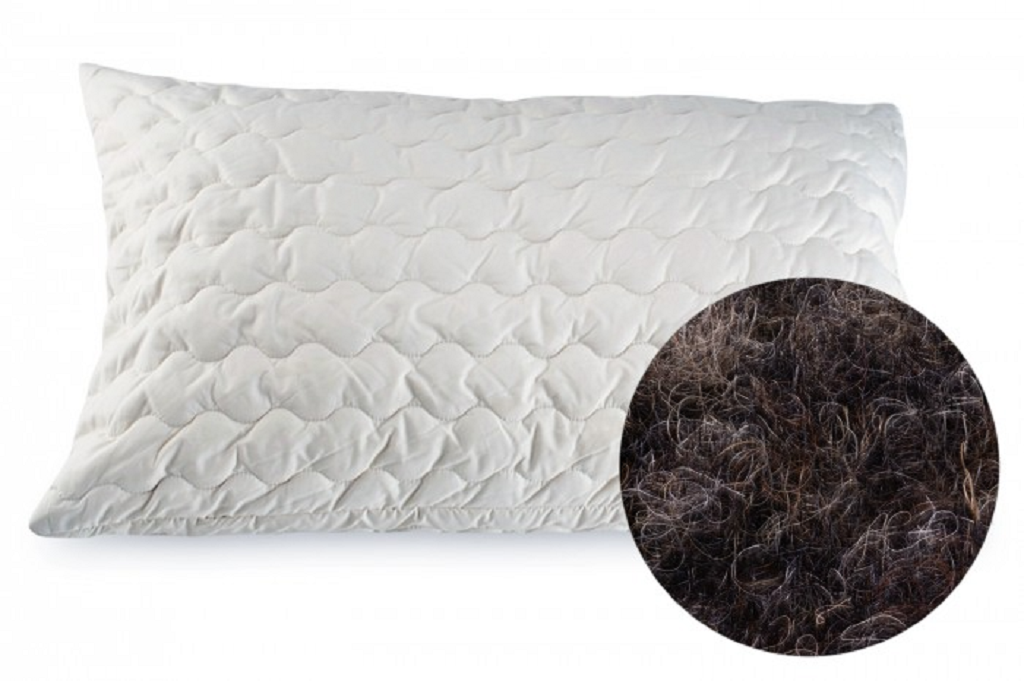
Before we delve into the process of making horsehair pillows, it’s important to first understand what horsehair is. Horsehair is a natural fiber that comes from the mane and tail of a horse. The fibers are known for their strength, resilience, and elasticity, making them a valuable material in a wide range of industries, from upholstery to high-quality bedding.
Horsehair has a naturally shiny appearance and a slightly coarse texture, which contributes to its durability. The length and thickness of the fibers vary, but they are typically long and straight, making them ideal for use in filling materials. Due to its natural properties, horsehair is a breathable material, which helps regulate temperature and moisture, making it particularly desirable for bedding products like pillows.
How Are Horsehair Pillows Made?
The process of making horsehair pillows involves several intricate steps, each of which contributes to the overall quality and comfort of the finished product. Here’s a detailed look at the process:
1. Harvesting the Horsehair
The first step in the creation of a horsehair pillow is the harvesting of the horsehair itself. The mane and tail of horses are carefully trimmed to collect the hair. Only the longest and strongest hairs are selected for pillow-making. The hair is cleaned and washed to remove dirt, oils, and any other impurities. This ensures that the fibers are pure and suitable for use in a pillow.
2. Sorting and Preparing the Horsehair
After harvesting, the horsehair undergoes a sorting process. The hair is carefully separated based on length, thickness, and overall quality. This step ensures that only the best fibers are used for creating the pillow’s filling. The horsehair is then brushed to remove any residual tangles and clumps, ensuring a uniform, smooth texture.
3. Blending with Other Materials
To enhance the comfort, durability, and support of the pillow, horsehair is often blended with other natural fibers, such as cotton, wool, or even silk. These additional materials help soften the texture of the pillow and provide a more luxurious feel. The mixture of horsehair and other fibers is crucial for creating a balance between comfort and support.
4. Stuffing the Pillow
Once the horsehair is properly prepared, it is stuffed into a high-quality fabric casing. The casing is typically made from cotton or linen, which are breathable materials that allow air to circulate, ensuring the pillow stays fresh and dry. The horsehair is packed tightly into the casing to create a firm yet comfortable surface.
During this stage, the pillow is carefully hand-stuffed to ensure an even distribution of the horsehair. This step requires precision and skill to ensure that the pillow maintains a uniform shape and provides consistent support across its surface.
5. Shaping and Finishing
Once the pillow is stuffed with horsehair, it undergoes a final shaping process. This ensures that the pillow is of the correct size and has a smooth, even surface. Some manufacturers may use steam to lightly press the pillow into shape, giving it a polished and finished look.
Finally, the pillow is checked for any imperfections. If any uneven spots are found, they are corrected by adding or redistributing the horsehair. The finished pillow is then allowed to air out for a period to ensure that it maintains its shape and loft.
6. Packaging
After the pillow is made, it is carefully packaged to prevent damage during transportation. Horsehair pillows are typically packed in protective covers made from breathable fabric, which helps keep the pillow fresh while also showcasing the craftsmanship involved in its creation.
Pros of Horsehair Pillows
Horsehair pillows are considered a luxury item due to the unique benefits they provide. Here are some of the primary advantages of using horsehair pillows:
1. Superior Comfort and Support
Horsehair pillows offer a high level of comfort due to the natural elasticity of the fibers. The pillow adjusts to the shape of your head and neck, providing optimal support and preventing pressure points. This can contribute to better sleep quality and reduce neck or back pain.
2. Breathability and Temperature Regulation
Horsehair is a highly breathable material, which means it allows air to circulate within the pillow. This makes horsehair pillows excellent for regulating temperature, keeping you cool in the summer and warm in the winter. The breathability also helps prevent the buildup of moisture, keeping the pillow fresh and dry throughout the night.
3. Durability
Horsehair is a naturally strong and resilient fiber, which means that horsehair pillows tend to last much longer than those filled with synthetic or even other natural fibers. With proper care, a high-quality horsehair pillow can last for many years without losing its shape or support.
4. Hypoallergenic Properties
Horsehair is naturally resistant to dust mites and other allergens, making it a great choice for those who suffer from allergies. The natural fibers also resist mold and mildew growth, which helps maintain a clean and healthy sleeping environment.
5. Eco-Friendly
Since horsehair is a natural material, horsehair pillows are an eco-friendly option compared to synthetic pillows. The production of horsehair pillows does not require the use of harmful chemicals or processes, making them a more sustainable choice for environmentally-conscious consumers.
Cons of Horsehair Pillows
While there are many benefits to using horsehair pillows, there are also some drawbacks that potential buyers should be aware of:
1. Cost
One of the biggest downsides of horsehair pillows is their high cost. Horsehair is a premium material that requires careful harvesting, processing, and craftsmanship, which contributes to the higher price point. This makes horsehair pillows less accessible to people on a budget.
2. Firmness
Horsehair pillows tend to be firmer than traditional pillows filled with down or synthetic fibers. While this can be an advantage for people who prefer firm support, it may not be ideal for those who enjoy a softer, more plush pillow. The firmness of the pillow can also take some time to adjust to.
3. Maintenance
Horsehair pillows require special care and maintenance to ensure they retain their shape and comfort. They need to be regularly fluffed to redistribute the fibers and prevent them from becoming flat. Additionally, horsehair pillows may need professional cleaning due to the delicate nature of the material.
4. Potential for Odor
Although horsehair is naturally resistant to mold and mildew, it can occasionally develop a slight odor if not properly cared for. This is particularly true if the pillow becomes damp or is stored in an environment with poor air circulation. Regular airing out and using a breathable pillowcase can help minimize this issue.
Frequently Asked Questions (FAQs)
1. How long do horsehair pillows last?
With proper care, horsehair pillows can last for many years. The durability of the material makes it resistant to wear and tear, ensuring long-lasting comfort and support. High-quality can often last up to 10 years or more.
2. Are horsehair pillows good for side sleepers?
Horsehair pillows provide firm support, which can be beneficial for side sleepers who need extra neck and shoulder alignment. However, side sleepers who prefer a softer pillow may find to be too firm. If you’re a side sleeper, you may want to test the pillow to ensure it meets your comfort needs.
3. How do I clean a horsehair pillow?
Horsehair pillows should be cleaned professionally to avoid damaging the fibers. You can also spot clean the pillow by gently wiping it with a damp cloth. Regularly fluffing the pillow and using a breathable pillowcase can help maintain its shape and cleanliness.
4. Are horsehair pillows suitable for people with allergies?
Yes, horsehair pillows are hypoallergenic and resistant to dust mites, mold, and mildew. This makes them an excellent option for individuals with allergies. However, it’s always a good idea to consult with a healthcare professional if you have specific concerns about allergies.
5. Can I use a horsehair pillow without a pillowcase?
It is recommended to use a pillowcase with a horsehair pillow to protect it from dirt, oils, and other contaminants. A pillowcase will also help keep the pillow fresh and prevent any potential odors from developing.
6. Are horsehair pillows eco-friendly?
Yes, horsehair pillows are considered eco-friendly due to the natural and sustainable nature of the material. The production process does not involve the use of harmful chemicals, and the pillows are biodegradable, making them a more environmentally responsible choice compared to synthetic alternatives.
Conclusion
Horsehair pillows are a luxurious and durable bedding option that provides superior comfort and support. They are made using a meticulous process that involves harvesting, sorting, and stuffing horsehair into a breathable casing. While they offer numerous benefits, such as breathability, durability, and hypoallergenic properties,
do come with a higher price tag and may require more maintenance than other types of pillows. By understanding the pros and cons of horsehair pillows, you can make an informed decision about whether they are the right choice for your sleep needs.