

Migraines affect over one billion people globally, making them the sixth most common cause of disability. For many, the quest for relief extends beyond medication to lifestyle changes, including sleep optimization. One intriguing option gaining attention is the buckwheat pillow, a traditional sleep aid rooted in Japanese culture. But are buckwheat pillows truly effective for migraine relief? This 3,500-word article delves into the history, science, benefits, challenges, and future trends of buckwheat pillows, offering a comprehensive analysis for those seeking to understand their potential in migraine management.
History of Buckwheat Pillows
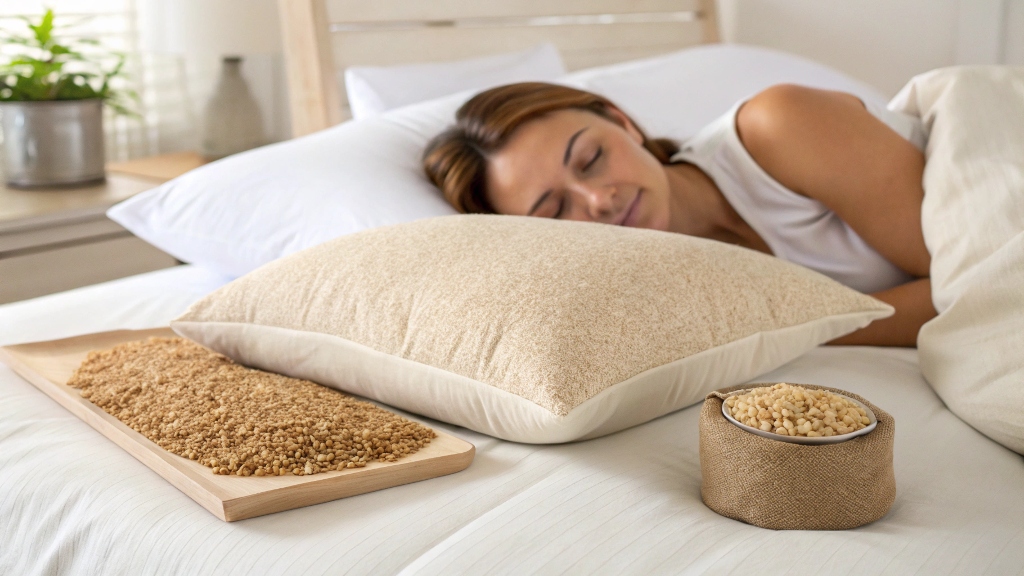
Origins in Japanese Culture
Buckwheat pillows, known as sobakawa in Japan, have been used for centuries, with roots tracing back to the Edo period (1603–1868). They were initially filled with buckwheat hulls, the hard outer shells of buckwheat seeds, valued for their durability and moldability.
-
Cultural significance: Sobakawa pillows were prized for promoting restful sleep and were often used in traditional Japanese bedding alongside futons.
-
Spread to the West: By the late 20th century, buckwheat pillows gained popularity in North America and Europe as natural and eco-friendly sleep solutions, particularly among those seeking alternatives to synthetic pillows.
Evolution in Design
Over time, buckwheat pillows evolved from simple cloth sacks to more sophisticated designs with adjustable fills and organic cotton covers.
-
Early designs: Basic cotton or silk casings filled with raw buckwheat hulls, often hand-stitched.
-
Modern adaptations: Today’s pillows feature zippered covers, allowing users to adjust the fill for personalized loft, and use certified organic materials to appeal to health-conscious consumers.
Relevance to Migraine Management
The connection between buckwheat pillows and migraine relief emerged as users reported reduced neck pain and better sleep quality, both critical factors in migraine prevention.
-
Anecdotal beginnings: Early adopters, particularly in holistic health communities, noted fewer headaches when using buckwheat pillows.
-
Scientific interest: By the 2000s, researchers began exploring the role of pillow design in sleep quality and headache disorders, sparking interest in buckwheat pillows.
Current State of Buckwheat Pillows in Migraine Management
Prevalence and Popularity
Buckwheat pillows are now widely available, marketed as therapeutic tools for various conditions, including migraines. Brands like Hullo, ComfySleep, and Beans72 dominate the market, offering adjustable, eco-friendly options.
-
Market growth: The global buckwheat pillow market is expanding, driven by demand for sustainable and hypoallergenic sleep products.
-
Consumer adoption: Online reviews and forums, such as Reddit’s r/migraine, highlight growing interest among migraine sufferers, with many reporting positive experiences.
Scientific Research
While anecdotal evidence abounds, scientific studies on buckwheat pillows specifically for migraines are limited. However, research on sleep quality and cervical alignment provides indirect support.
-
Sleep and migraines: A 2020 review found that insomnia and poor sleep quality can trigger and intensify migraines, underscoring the importance of supportive bedding.
-
Pillow design: A 2021 study noted that pillow comfort and spinal alignment influence sleep quality, which may reduce headache frequency.
Consumer Feedback
User reviews offer valuable insights into the real-world efficacy of buckwheat pillows for migraines.
-
Positive reports: Many users, like those on Perfect Pillow Co.’s website, report reduced headache frequency and improved neck mobility after switching to buckwheat pillows.
-
Mixed experiences: Some find the pillows too firm or noisy, which can disrupt sleep for light sleepers.
Key Concepts in Buckwheat Pillows for Migraine Relief
Cervical Alignment
Proper alignment of the neck and spine during sleep is critical for reducing tension that may trigger migraines.
-
How buckwheat helps: The moldable nature of buckwheat hulls conforms to the head and neck, maintaining neutral cervical alignment.
-
Comparison to other pillows: Unlike memory foam, which can retain heat, or down, which may lack support, buckwheat pillows offer adjustable firmness without overheating.
Airflow and Temperature Regulation
Overheating is a known migraine trigger for some individuals, making temperature regulation a key factor.
-
Buckwheat’s advantage: The triangular, cupped shape of buckwheat hulls creates air pockets, enhancing breathability and keeping the pillow cool.
-
Cooling hack: Some users refrigerate their buckwheat pillows for added cooling relief during migraine attacks.
Hypoallergenic Properties
Migraine triggers often include allergens or chemical odors, which buckwheat pillows can help mitigate.
-
Natural materials: Buckwheat hulls are free from synthetic chemicals, reducing the risk of off-gassing that can exacerbate migraines.
-
Allergy considerations: While rare, buckwheat allergies can occur, necessitating caution for sensitive individuals.
Benefits of Buckwheat Pillows for Migraine Sufferers
Enhanced Sleep Quality
Quality sleep is a cornerstone of migraine prevention, and buckwheat pillows contribute by providing consistent support.
-
Support for all sleep positions:
-
Back sleepers: Lower loft pillows maintain spinal alignment.
-
Side sleepers: Fuller pillows fill the gap between shoulder and neck.
-
Stomach sleepers: Flatter pillows reduce neck strain.
-
-
Reduced tossing and turning: Users report less need to adjust their pillow, leading to fewer sleep disruptions.
Pain Reduction
By supporting the neck and reducing muscle tension, buckwheat pillows may decrease migraine frequency.
-
Neck pain relief: A user on Perfect Pillow Co.’s site reported complete resolution of chronic neck soreness after two nights.
-
Headache reduction: Multiple reviews cite fewer morning headaches, likely due to improved cervical alignment.
Eco-Friendly and Durable
Buckwheat pillows align with sustainable living, appealing to environmentally conscious migraine sufferers.
-
Longevity: With proper care, buckwheat pillows last up to 10 years, with hulls needing replacement every 1–2 years.
-
Compostable materials: Buckwheat hulls are fully biodegradable, unlike synthetic fills.
Customizability
The ability to adjust the fill makes buckwheat pillows uniquely adaptable to individual needs.
-
Personalized loft: Users can add or remove hulls to achieve the ideal height and firmness.
-
Versatility: Adjustable pillows accommodate changes in sleep position or pain levels, a boon for migraineurs with fluctuating symptoms.
Challenges of Using Buckwheat Pillows
Adjustment Period
Switching to a buckwheat pillow can be jarring due to its firmness and unique feel.
-
Initial discomfort: Some users need 1–2 weeks to adapt to the pillow’s texture and weight.
-
Noise factor: The rustling sound of hulls can disturb light sleepers or those with phonophobia during migraines.
Weight and Portability
Buckwheat pillows are heavier than traditional options, posing challenges for travel.
-
Average weight: Standard pillows weigh 4–5 kg, making them less practical for frequent travelers.
-
User feedback: Some find the weight cumbersome when repositioning during sleep.
Cost Considerations
While economical over time, the upfront cost of buckwheat pillows can be a barrier.
-
Price range: Quality pillows cost $50–$169, higher than basic foam or down options.
-
Maintenance costs: Replacing hulls every 1–2 years adds to long-term expenses.
Potential Allergies
Though rare, buckwheat allergies can cause issues for some users.
-
Symptoms: Allergic reactions may include skin irritation or respiratory issues, particularly with prolonged exposure.
-
Mitigation: Using a pillow protector and ensuring proper hull cleaning can reduce risks.
Comparison of Buckwheat Pillows to Other Pillow Types
|
Pillow Type |
Material |
Pros |
Cons |
Best for Migraineurs? |
|---|---|---|---|---|
|
Buckwheat |
Buckwheat hulls |
Adjustable, breathable, hypoallergenic, durable |
Noisy, heavy, adjustment period |
Yes, for customizable support |
|
Memory Foam |
Polyurethane foam |
Contours to neck, widely available |
Heat retention, off-gassing, less adjustable |
Maybe, if cooling foam used |
|
Water |
Water-filled core |
Fully customizable, cooling, supportive |
Heavy, risk of leaks, maintenance-intensive |
Yes, for adjustable firmness |
|
Down/Down Alternative |
Feathers or synthetic fill |
Soft, lightweight, affordable |
Lacks support, flattens over time, potential allergens |
No, due to insufficient support |
|
Latex |
Natural or synthetic latex |
Supportive, durable, breathable |
Expensive, heavy, potential allergens |
Maybe, for firm support |
Analysis: Buckwheat and water pillows stand out for their adjustability and cooling properties, making them strong contenders for migraine relief. Memory foam and latex can work for some but may retain heat, a potential trigger. Down pillows are generally unsuitable due to inadequate support.
Review of Top Buckwheat Pillows for Migraines
Hullo Buckwheat Pillow
-
Price: $69–$169
-
Features: 100% organic cotton cover, US-grown buckwheat hulls, adjustable fill, available in small, standard, and king sizes.
-
Pros: Excellent balance of support and comfort, naturally cooling, eco-friendly. Users praise its ability to reduce neck pain and headaches.
-
Cons: Slightly noisy, may be too firm for stomach sleepers.
-
Rating: 4.5/5
ComfySleep Buckwheat Pillow
-
Price: $59–$129
-
Features: Organic cotton cover, adjustable buckwheat fill, firm yet moldable.
-
Pros: Ideal for back and side sleepers, promotes spinal alignment, highly breathable.
-
Cons: Earthy smell may bother sensitive users, requires frequent hull adjustments.
-
Rating: 4.2/5
Beans72 Organic Buckwheat Pillow
-
Price: $65–$149
-
Features: Generous hull fill, organic cotton case, available in seven sizes.
-
Pros: Ultra-supportive, customizable, durable construction.
-
Cons: Heavier than competitors, higher price point for larger sizes.
-
Rating: 4.3/5
Verdict: The Hullo Buckwheat Pillow is the top choice for migraine sufferers due to its optimal comfort-support ratio and cooling properties. ComfySleep is a strong alternative for budget-conscious buyers, while Beans72 suits those needing extra support.
Future Trends in Buckwheat Pillows for Migraine Management
Integration with Smart Technology
As sleep technology advances, buckwheat pillows may incorporate sensors to monitor sleep patterns and optimize migraine prevention.
-
Potential features: Temperature-regulating hulls, pressure sensors for real-time alignment feedback, or integration with sleep apps.
-
Research direction: Studies on smart bedding could validate the efficacy of tech-enhanced buckwheat pillows.
Enhanced Materials
Innovations in buckwheat processing and cover materials may improve comfort and durability.
-
Husk treatments: New cleaning methods could reduce allergens and odors, addressing sensitivity concerns.
-
Hybrid fills: Combining buckwheat with latex or foam could balance firmness and softness, appealing to a broader audience.
Increased Research
The lack of direct studies on pillows for migraines is a gap that future research may address.
-
Clinical trials: Controlled studies comparing pillows to other types could provide robust evidence of efficacy.
-
Focus on mechanisms: Research into how cervical alignment and temperature regulation affect migraine pathways may strengthen the case for buckwheat pillows.
Sustainability and Accessibility
As eco-conscious consumerism grows, pillows may become more affordable and widely available.
-
Cost reduction: Advances in buckwheat farming and production could lower prices, making pillows accessible to more migraine sufferers.
-
Global reach: Expansion into low-income regions could address the rising prevalence of migraines in these areas.
FAQs
1. Can buckwheat pillows cure migraines?
No, pillows cannot cure migraines, but they may reduce frequency and intensity by improving sleep quality and cervical alignment.
2. Are buckwheat pillows suitable for all sleep positions?
Yes, their adjustable fill makes them adaptable for back, side, and stomach sleepers, though side sleepers may need more fill for proper support.
3. How long do buckwheat pillows last?
With proper care, they last up to 10 years, though hulls should be replaced every 1–2 years to maintain support.
4. Can buckwheat pillows trigger allergies?
Rarely, some users may be allergic to buckwheat, experiencing skin or respiratory issues. A pillow protector can help mitigate risks.
5. Are buckwheat pillows noisy?
Yes, the hulls can rustle when moved, which may disturb light sleepers or those with phonophobia during migraines.
Read More Also: Hidden Pillow Storage for Small Apartments: Maximizing Space and Functionality
Conclusion
Buckwheat pillows offer a promising, natural approach to migraine management by promoting proper cervical alignment, enhancing sleep quality, and providing cooling comfort. Their adjustability and eco-friendly design make them a standout choice, though challenges like noise, weight, and cost require consideration. While scientific evidence is still emerging, user testimonials and indirect research on sleep and migraines suggest significant potential. As technology and research advance, pillows may become even more effective and accessible, offering hope to the millions seeking relief from migraines. For those exploring non-pharmacological options, a buckwheat pillow could be a valuable addition to a holistic migraine management strategy.