

Down pillows are prized for their comfort, luxurious feel, and excellent support, often being considered the gold standard in bedding. They’re made from the soft, fluffy undercoating of waterfowl (typically ducks or geese), providing a plush, cloud-like experience for those lucky enough to sleep on them. However, one common issue with down pillows is that they can sometimes turn yellow over time, which can detract from their pristine appearance.
But why does this happen, and how can you prevent or reverse it? In this article, we will explore the reasons down pillows turn yellow, the pros and cons of using down pillows, and provide answers to frequently asked questions. Read on to learn more about your pillows and how to extend their lifespan.
Why Do Down Pillows Turn Yellow?
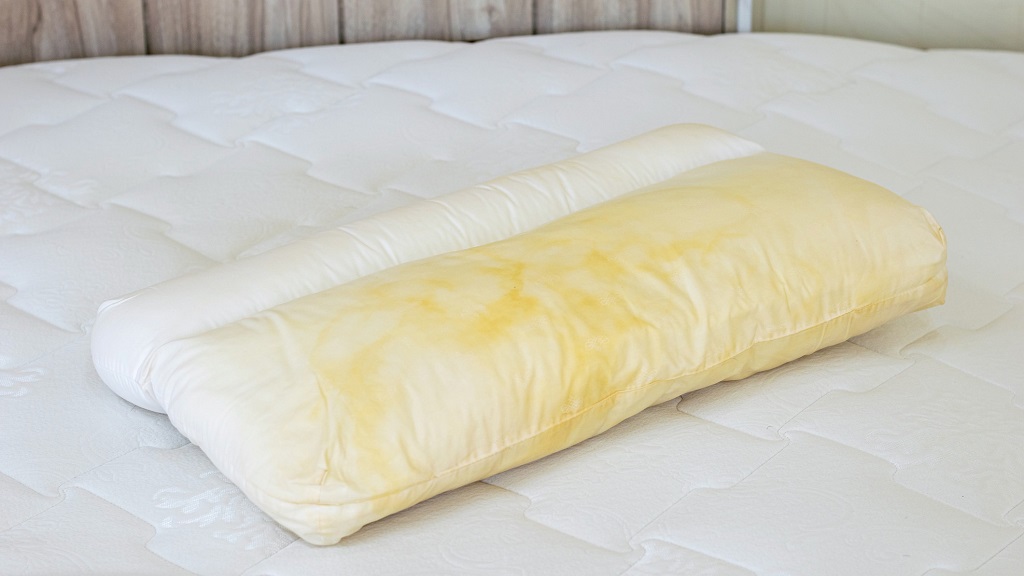
Down pillows turning yellow is a common problem that many pillow owners encounter, often leading to frustration and confusion. While there are several potential causes, all of them have something to do with the materials, usage, and care of the pillow. Here are the most common reasons:
1. Sweat and Body Oils
One of the most significant causes of yellowing in down pillows is sweat and body oils. When you sleep, your body naturally sweats, and even if you don’t notice it, your pillow absorbs this moisture. Sweat contains not just water but also salts, urea, and other compounds that contribute to the yellowing effect over time. The oils on your skin, especially if you tend to have oily skin or hair, can also contribute to this discoloration.
2. Cosmetic Products
If you use lotions, oils, or hair products before bed, these products can leave residue on your pillowcase. Even if you use a pillowcase to cover your down pillow, these residues can seep through the fabric and onto the down feathers inside. Over time, this buildup can result in yellowing, especially if the pillowcase isn’t washed frequently.
3. Humidity and Moisture
Moisture and humidity can significantly affect the condition of your pillow. When you sleep in a humid environment or your pillow absorbs excess moisture, the down feathers inside can become damp. This moisture can lead to the growth of bacteria or mold, which not only causes yellow stains but can also contribute to unpleasant odors.
4. Exposure to Light
Exposure to sunlight and natural light can lead to discoloration of your down pillow. While down feathers are naturally resistant to sunlight, prolonged exposure can still cause them to degrade and yellow. This is often more noticeable with lighter-colored pillows, which highlight discoloration more easily than darker ones.
5. Washing Issues
Sometimes, down pillows turn yellow as a result of improper washing or drying techniques. If your pillow isn’t thoroughly rinsed or if it’s not fully dried after washing, oils, soap, and dirt can remain trapped inside. This residue can leave yellow stains. Also, using harsh detergents or bleach that are not formulated for delicate materials like down can damage the feathers, leading to yellowing.
6. Age and Natural Wear
As with any bedding product, down pillows are subject to wear and tear. Over time, the oils and sweat from your body, along with regular use, can cause gradual yellowing, even if you take the utmost care. Age can also lead to the breakdown of the down feathers themselves, which may not only lead to yellowing but also cause a loss of support and comfort.
Pros of Down Pillows
While down pillows may have some maintenance challenges, they also offer numerous benefits that make them a top choice for many consumers. Here are the key advantages of down pillows:
1. Luxurious Comfort
The primary appeal of down pillows lies in their unparalleled comfort. The softness and lightness of down feathers provide exceptional support to your head, neck, and shoulders, leading to a more restful sleep. For those who enjoy sinking into a pillow, down provides the ultimate plush experience, contouring to the shape of your head while still providing adequate support.
2. Breathability and Temperature Regulation
Down is a naturally breathable material. It allows air to circulate, helping to regulate body temperature throughout the night. Whether it’s winter or summer, down pillows can adjust to your body’s needs, keeping you cool when it’s hot and warm when it’s cold. This makes down pillows a great choice for people who tend to overheat during the night.
3. Durability
When properly cared for, down pillows can last for many years. The down clusters are resilient and can retain their loft and support for an extended period. This durability makes down pillows a good long-term investment, as you won’t need to replace them frequently.
4. Hypoallergenic Options
Although down feathers are often associated with allergies, many down pillows are now treated to be hypoallergenic. This treatment reduces the amount of dust, mites, and allergens present in the pillow, making them a suitable option for people with mild allergies. Additionally, many down pillows are encased in tightly woven, allergen-proof covers that prevent any allergens from escaping.
5. Soft and Fluffy Appearance
Down pillows are known for their soft and fluffy appearance. They add an air of luxury to any bed, making them not only functional but also aesthetically pleasing. Many people prefer the plush look and feel of down pillows over synthetic alternatives, which often appear flatter and less inviting.
Cons of Down Pillows
As much as down pillows have their perks, there are some drawbacks to consider before investing in them. Let’s take a look at the potential downsides:
1. Cost
Down pillows tend to be more expensive than their synthetic counterparts. The high-quality materials used to fill down pillows, such as duck or goose down, contribute to the higher cost. While down pillows are an investment in terms of comfort and durability, the upfront price may not fit everyone’s budget.
2. Maintenance
Down pillows require more maintenance than synthetic pillows. They need to be cleaned and fluffed regularly to retain their loft and prevent flattening. Down pillows are also more sensitive to washing methods and can be damaged if not cleaned properly. Frequent washing can also lead to the yellowing of the pillow, as mentioned earlier.
3. Potential Allergies
Despite the availability of hypoallergenic down pillows, some individuals are allergic to the down itself. People with severe allergies to feathers or dust may experience discomfort, sneezing, or other allergic reactions. Even hypoallergenic down pillows may still cause irritation for those with highly sensitive systems.
4. Not Machine Washable
While some down pillows are machine washable, they require delicate care. If a down pillow is improperly washed or dried, it can lose its shape and support. The process of washing down pillows often involves a delicate cycle, gentle detergent, and the use of special drying methods to avoid clumping.
5. Ethical Considerations
There are ethical concerns related to the sourcing of down feathers. While most companies now source down ethically, there are still some suppliers that use questionable practices. Consumers who are concerned about animal welfare may want to ensure that the down in their pillows is responsibly sourced.
FAQs About Down Pillows
1. How Can I Prevent My Down Pillow From Turning Yellow?
To prevent yellowing, it’s essential to maintain your pillow properly. Regularly wash your pillowcase to reduce oil and sweat buildup. Also, make sure to wash the pillow itself at least once a year using a gentle detergent and drying it thoroughly. Using a pillow protector can also help minimize exposure to oils and moisture.
2. Can I Wash My Down Pillow at Home?
Yes, you can wash a down pillow at home, but it requires special care. Use a front-loading washing machine to avoid damaging the pillow. Wash it in cold water with a gentle detergent. You must dry the pillow thoroughly on a low heat setting to prevent any mildew or mold buildup.
3. How Can I Restore My Yellowed Down Pillow?
To restore yellowed down pillows, try washing them with a solution of white vinegar and water or baking soda and water to help break down the oils and stains. After washing, dry the pillow thoroughly by placing it in a dryer with a few clean tennis balls to fluff it up.
4. How Long Do Down Pillows Last?
With proper care, down pillows can last between 5 to 10 years. Regular fluffing and the use of pillow protectors can extend their lifespan and maintain their comfort and appearance.
5. Are Down Pillows Worth the Investment?
Down pillows are an investment in luxury, comfort, and support. If you prioritize a high-quality, comfortable sleep and are willing to invest in maintenance, down pillows can be a great choice. However, if you’re on a tight budget or need a pillow that’s easy to maintain, you might want to consider alternatives.
Conclusion
Down pillows are a luxurious addition to any bedroom, offering comfort, breathability, and support. However, they do require proper care to avoid issues like yellowing, which is primarily caused by sweat, oils, moisture, and improper washing. By understanding the reasons behind yellowing and following maintenance tips, you can prolong the life of your down pillows and keep them looking fresh. While they come with a higher price tag and require more upkeep than synthetic pillows, the benefits they offer make them a worthwhile investment for many people.
Incorporating the right practices for pillow care can ensure you continue to enjoy the plush experience of sleeping on a down pillow for years to come. Whether you’re a fan of luxury bedding or just seeking a good night’s sleep, down pillows provide a balance of comfort and quality that can transform your rest.