
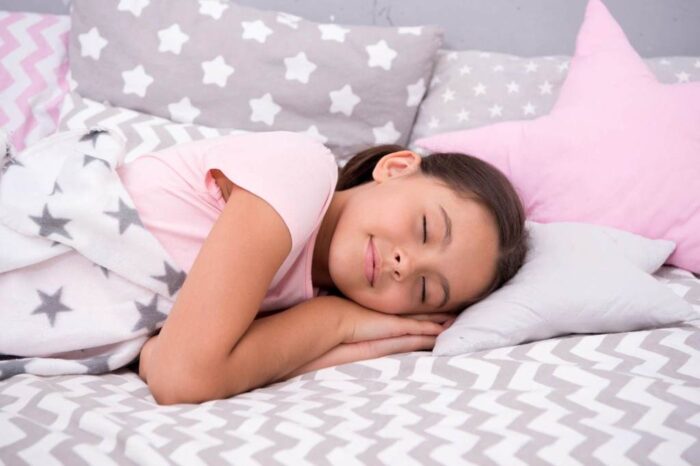
Every parent wants their child to sleep safely and wake up refreshed. Yet, many overlook one simple factor that affects sleep quality every night, the pillow. According to the American Academy of Pediatrics, proper sleep support plays a key role in healthy growth and spinal development in children. In addition, the National Sleep Foundation reports that children need 9 to 12 hours of quality sleep for optimal health. Choosing the right children’s pillow is not just about comfort. It directly impacts posture, breathing, and long term wellness. This guide explains how to choose the best children’s pillow with clarity and confidence.
Why Children Need a Special Pillow
Children are not just small adults. Their bodies are still developing, especially the spine and neck. Therefore, using a regular adult pillow can create improper alignment and discomfort.
A child specific pillow supports natural posture. It keeps the head, neck, and spine in a straight line. As a result, it reduces strain and improves breathing during sleep.
Moreover, children move more during sleep. A well designed pillow adapts to movement without losing support. This balance helps prevent restless nights and frequent waking.
When Should a Child Start Using a Pillow
Timing matters. Introducing a pillow too early can pose safety risks. Pediatric experts recommend waiting until a child transitions from a crib to a toddler bed.
Most children are ready for a pillow between 18 months and 3 years. However, readiness depends on development, not just age.
Look for these signs before introducing a pillow
- Your child sleeps well without rolling excessively
- They use blankets or soft items to support their head
- They have moved to a toddler or regular bed
If these signs appear, a thin and firm pillow becomes a safe next step.
Key Features to Look for in the Best Children’s Pillow
Proper Size and Loft
Children need smaller pillows than adults. A large pillow can push the head too high, causing neck strain.
Choose a pillow that is
- Narrow in width
- Low in height
- Lightweight and easy to adjust
A low loft keeps the neck aligned with the spine. This alignment supports healthy growth.
Firmness Level
Firmness plays a critical role in safety and comfort. A pillow that is too soft may collapse under pressure. On the other hand, one that is too firm may feel uncomfortable.
The ideal pillow offers medium firmness. It provides enough support without feeling rigid.
Breathable Materials
Children can overheat easily during sleep. Therefore, breathable materials improve airflow and regulate temperature.
Look for pillows made from
- Cotton
- Bamboo fabric
- Hypoallergenic fibers
These materials reduce sweating and keep sleep comfortable throughout the night.
Hypoallergenic Properties
Children are more sensitive to allergens such as dust mites and mold. A hypoallergenic pillow protects against these triggers.
This feature becomes especially important if your child has asthma or allergies.
Washability and Hygiene
Kids are messy. Spills, sweat, and accidents happen often. Therefore, a washable pillow is essential.
Choose pillows that are
- Machine washable
- Quick drying
- Resistant to odor buildup
Clean bedding improves sleep quality and overall health.
Types of Children’s Pillows Explained
Memory Foam Pillows
Memory foam adapts to the shape of the head and neck. It offers excellent support and maintains alignment.
However, some memory foam pillows retain heat. Therefore, choose one with cooling features if your child tends to sleep hot.
Fiber Fill Pillows
Fiber fill pillows are soft and lightweight. They are often more breathable and easier to wash.
These pillows work well for younger children who need gentle support.
Latex Pillows
Latex pillows provide firm support and natural resistance to allergens. They are durable and maintain shape over time.
However, they may feel too firm for some children. Testing comfort level is important before choosing this type.
Organic Pillows
Organic pillows use natural materials without harmful chemicals. They are ideal for parents who prioritize eco friendly options.
Common materials include organic cotton and wool. These pillows are safe, breathable, and gentle on sensitive skin.
How Sleeping Position Affects Pillow Choice
Back Sleepers
Children who sleep on their back need a thin pillow. This keeps the head slightly elevated without pushing it forward.
Side Sleepers
Side sleepers need a slightly thicker pillow. It fills the gap between the shoulder and head, keeping the spine straight.
Stomach Sleepers
Stomach sleeping is not recommended. However, if your child prefers this position, use a very thin pillow or none at all.
Safety Tips Every Parent Should Follow
Safety always comes first when choosing sleep products for children.
Follow these essential guidelines
- Avoid overly soft or fluffy pillows
- Keep pillows free from loose covers or decorations
- Ensure the pillow fits the bed properly
- Replace pillows when they lose shape or support
Additionally, always check for certifications that confirm safety standards.
Common Mistakes to Avoid
Many parents unintentionally choose the wrong pillow. Avoid these common errors to ensure your child sleeps safely.
- Choosing adult sized pillows
- Ignoring material quality
- Selecting overly thick designs
- Skipping regular cleaning
Each of these mistakes can affect sleep quality and posture over time.
Signs Your Child Needs a Better Pillow
Children may not always express discomfort clearly. However, their behavior often shows it.
Watch for these signs
- Frequent tossing and turning
- Complaints of neck pain
- Sweating excessively during sleep
- Waking up tired
If these issues appear, it may be time to upgrade the pillow.
How to Maintain a Children’s Pillow
Proper care extends the life of the pillow and keeps it hygienic.
Follow these simple steps
- Wash the pillow regularly according to instructions
- Use a breathable pillow cover
- Air dry to prevent moisture buildup
- Replace every 1 to 2 years
Consistent maintenance ensures both comfort and cleanliness.
Expert Insights and Research Backed Advice
Sleep experts emphasize the importance of spinal alignment in children. According to research published by the National Institutes of Health, proper sleep posture supports musculoskeletal development.
Furthermore, studies show that breathable bedding reduces nighttime awakenings. This leads to deeper and more restorative sleep.
Pediatricians also recommend hypoallergenic materials to reduce respiratory issues. These insights highlight how the right pillow directly impacts health.
Conclusion
Choosing the best children’s pillow requires careful attention to size, material, and safety. A well selected pillow supports healthy posture, improves sleep quality, and enhances overall well being. Focus on breathable, hypoallergenic, and washable options that match your child’s sleeping style. Avoid common mistakes and monitor signs of discomfort. With the right choice, your child can enjoy safe and restful sleep every night. Take action today and upgrade your child’s sleep setup for better health and happier mornings.
FAQs
What is the safest pillow for a child
A thin, firm, and hypoallergenic pillow is the safest option. It supports proper alignment and reduces risk.
Can toddlers sleep without a pillow
Yes, toddlers can sleep comfortably without a pillow. Introduce one only when they show readiness.
How often should I replace a children’s pillow
Replace it every 1 to 2 years or sooner if it loses shape and support.
Are memory foam pillows safe for kids
Yes, but choose breathable versions to prevent overheating and ensure comfort.
What size pillow is best for children
A small and low profile pillow works best. It keeps the head and neck aligned naturally.