

Choosing the right nursing pillow can transform feeding time from stressful to smooth and comfortable. Many parents struggle with back strain, poor baby positioning, and long feeding sessions. According to the Centers for Disease Control and Prevention, over 80 percent of mothers in the United States start breastfeeding, yet many stop early due to discomfort or positioning issues. A well-designed nursing pillow helps support both parent and baby, making feeding easier and more enjoyable. In simple terms, the right pillow improves posture, reduces strain, and promotes proper latch. This guide walks you through exactly how to choose one that fits your needs and supports your baby’s development.
Why a Nursing Pillow Matters
A nursing pillow is more than a cushion. It plays a direct role in feeding success and comfort. Many new parents underestimate how much physical strain feeding can cause. Over time, poor positioning can lead to neck pain, shoulder tension, and even wrist issues.
Proper support keeps your baby at breast height. As a result, you avoid leaning forward, which reduces strain on your back. In addition, a stable position helps your baby latch correctly. This reduces the risk of nipple pain and improves milk transfer.
Research from the American Academy of Pediatrics highlights that proper positioning is key for effective breastfeeding. Therefore, investing in the right support tool is not optional. It is essential for long term comfort and feeding success.
Key Features to Look for in a Nursing Pillow
1. Firmness and Support
Firmness is one of the most important factors. A pillow that is too soft will sink under your baby’s weight. This forces you to adjust constantly, which defeats the purpose.
Look for a pillow that maintains its shape even after repeated use. Firm support keeps your baby aligned with your breast. It also reduces arm fatigue.
At the same time, the pillow should not feel hard. A balance between firmness and comfort works best. Memory foam or high density fiber filling often provides this balance.
2. Shape and Fit
Not all nursing pillows have the same shape. Each design serves a different purpose.
Common shapes include:
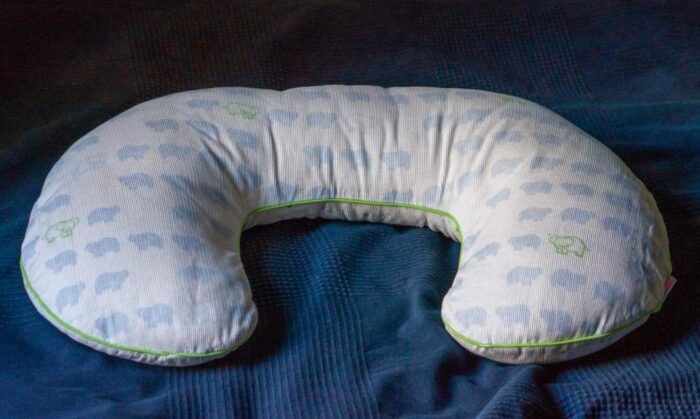
- U shaped pillows that wrap around your waist
- C shaped pillows that offer side support
- Crescent shapes for flexibility
Choose a shape that fits your body size and feeding style. A snug fit prevents the pillow from sliding. This creates a stable surface for your baby.
In addition, consider how easy it is to position the pillow quickly. Feeding sessions often require fast setup, especially during night feeds.
How to Choose the Right Size
Size plays a critical role in comfort and usability. A pillow that is too small may not provide enough support. On the other hand, a bulky pillow can feel awkward and difficult to handle.
Here are a few tips to guide your choice:
- Check your body frame and waist size
- Consider where you will use the pillow most
- Think about storage and portability
Parents who travel often may prefer a compact design. Meanwhile, those feeding at home may benefit from a larger, more supportive pillow.
In addition, adjustable designs offer flexibility. These allow you to modify the fit as your baby grows.
Materials and Fabric Choices
The material affects comfort, durability, and hygiene. Babies have sensitive skin, so choosing the right fabric is essential.
Look for breathable and soft materials such as cotton. These help prevent overheating during feeding. In warmer climates, breathable fabric becomes even more important.
Also, consider hypoallergenic options. These reduce the risk of irritation or allergic reactions.
Removable and washable covers are a must. Spills and messes are common during feeding. Easy cleaning saves time and keeps the pillow hygienic.
Comfort for Both Parent and Baby
Comfort should never be one sided. Both you and your baby need proper support.
For parents, the pillow should reduce pressure on the arms and shoulders. It should also promote an upright posture. This helps prevent long term discomfort.
For babies, the surface should feel stable and soft. A good pillow supports their head and neck without forcing unnatural positions.
Moreover, a comfortable setup encourages longer and more relaxed feeding sessions. This benefits both bonding and nutrition.
Safety Considerations
Safety should always come first. While nursing pillows are helpful, improper use can pose risks.
Follow these guidelines:
- Never leave your baby unattended on the pillow
- Use the pillow only during supervised feeding
- Avoid placing it in a crib for sleep
The Consumer Product Safety Commission emphasizes that soft surfaces can increase the risk of suffocation. Therefore, always use the pillow as intended.
In addition, ensure the pillow maintains its structure. Flattened or worn out pillows can compromise support and safety.
Versatility Beyond Feeding
A quality nursing pillow offers more than feeding support. Many designs serve multiple purposes as your baby grows.
You can use it for:
- Tummy time support
- Helping your baby learn to sit
- Providing comfort during bottle feeding
This versatility adds long term value. Instead of a short term tool, the pillow becomes part of your daily routine.
Parents often find that a multi functional pillow reduces the need for additional baby gear. This keeps things simple and organized.
Comparing Popular Nursing Pillow Styles
Different styles cater to different needs. Understanding these differences helps you make a better decision.
Traditional Wrap Around Pillows
These provide full waist support. They are ideal for beginners and offer a secure fit.
Inflatable or Travel Pillows
Lightweight and portable, these work well for parents on the go. However, they may lack firmness compared to standard options.
Adjustable Pillows
These allow you to customize height and firmness. They are useful as your baby grows and feeding needs change.
Each style has its strengths. Your choice should depend on your lifestyle and daily routine.
Common Mistakes to Avoid
Many parents make simple mistakes when choosing or using a nursing pillow. Avoiding these can save time and discomfort.
- Choosing style over functionality
- Ignoring proper fit
- Skipping washable covers
- Using the pillow for sleep
In addition, some parents rely entirely on the pillow without adjusting their posture. Remember, the pillow is a support tool, not a complete solution.
Always combine it with proper positioning techniques for the best results.
Expert Tips for Better Feeding Support
Professionals often recommend small adjustments that make a big difference.
- Keep your back straight and shoulders relaxed
- Bring the baby to you instead of leaning forward
- Use additional cushions if needed for extra support
- Switch positions to avoid strain
Lactation consultants often stress consistency. Practicing good posture daily helps prevent long term issues.
In addition, listening to your body is key. If something feels uncomfortable, adjust immediately.
Conclusion
Picking the best nursing pillow requires careful attention to comfort, support, and safety. The right choice can improve feeding posture, reduce strain, and help your baby latch properly. Focus on firmness, size, materials, and fit when making your decision. At the same time, consider how the pillow fits into your daily routine. A well chosen pillow supports both short term comfort and long term health. Take your time, test options if possible, and choose one that meets your specific needs. Start with these guidelines and make feeding a more comfortable and enjoyable experience.
FAQs
What is the best firmness for a nursing pillow?
A medium firm pillow works best. It should hold its shape while still feeling comfortable. This balance ensures proper baby positioning without discomfort.
Can I use a regular pillow instead of a nursing pillow?
Regular pillows lack proper shape and support. They can shift easily and may not keep your baby at the right height. A nursing pillow is specifically designed for feeding.
How often should I clean a nursing pillow cover?
You should wash the cover regularly, especially after spills. Weekly cleaning is a good practice to maintain hygiene.
Are nursing pillows safe for sleeping?
No, they are not designed for sleep. Always remove the pillow after feeding and place your baby on a firm, flat surface.
Do nursing pillows help with bottle feeding?
Yes, they provide support during bottle feeding as well. They reduce arm strain and help maintain a comfortable position.