

When I first held my newborn, the joy was overwhelming, but so was the challenge of breastfeeding. I wondered, “Do I need a nursing pillow?” This question haunts many new moms. A nursing pillow offers comfort, support, and ease during feeding, but is it necessary? This post shares my story and expert insights to help you decide. With practical tips and research, we’ll explore if this tool is a must-have for your breastfeeding journey. Let’s dive into the world of nursing pillows and uncover their benefits, challenges, and alternatives to guide your choice.
What Is a Nursing Pillow?
A nursing pillow is a specially designed cushion that supports a baby during breastfeeding or bottle-feeding. Shaped like a crescent or U, it fits around your waist, elevating your baby to the perfect height for feeding. This reduces strain on your arms, back, and neck. According to a 2023 study by the American Academy of Pediatrics, proper positioning during breastfeeding improves latch success by 30%, enhancing comfort for both mom and baby.
These pillows come in various sizes, materials, and firmness levels. Some are adjustable, while others include pockets for storage. My first week as a mom, I struggled with holding my baby correctly. A friend suggested a nursing pillow, and it was a game-changer, making feeds less tiring. However, not every mom finds them essential, so let’s explore why they might matter.
Benefits of Using a Nursing Pillow
Nursing pillows offer multiple advantages, especially for new moms. They promote better posture, reducing back and shoulder pain during long feeding sessions. A 2022 study by La Leche League International found that 68% of moms using nursing pillows reported less physical discomfort. They also help babies latch better by keeping them at the right height, which can prevent nipple soreness.
Additionally, nursing pillows are versatile. You can use them for bottle-feeding, tummy time, or even as a prop for your baby to sit. When my daughter was three months old, I used my pillow to support her during playtime, saving my arms from fatigue. However, they’re not a one-size-fits-all solution. Some moms find them bulky or unnecessary if their baby latches well naturally.
Are Nursing Pillows Necessary for Every Mom?
Not every mom needs a nursing pillow. If you’re comfortable breastfeeding without one or your baby latches easily, you might skip it. However, for moms with C-sections, twins, or back issues, a pillow can be a lifesaver. It supports recovery by reducing pressure on incision sites. In my case, after a long day, holding my baby without support was exhausting. The pillow gave me relief.
On the flip side, some moms prefer using regular pillows or blankets for support, which are cheaper and already at home. A 2024 survey by BabyCenter showed 45% of moms used alternatives successfully. Therefore, it depends on your comfort, budget, and feeding style. Trying one at a friend’s house or a breastfeeding class can help you decide.
Key Factors to Consider
- Comfort: Does it reduce strain during feeds?
- Baby’s Latch: Does it help position your baby correctly?
- Budget: Are you willing to invest $20–$50?
- Space: Do you have room for a bulky pillow?
Challenges of Using a Nursing Pillow
Nursing pillows aren’t perfect. They can be bulky, making storage tricky in small spaces. Some moms find them awkward to position, especially during night feeds. When I first used mine, it slipped around until I learned to secure it properly. Additionally, they can be expensive, with top brands costing up to $50.
Another challenge is hygiene. Babies spit up, and pillows need regular washing, which can be a hassle if covers aren’t removable. For moms with larger or smaller body types, finding the right fit can be tough. Therefore, test different brands before buying. Visiting a store or reading reviews on sites can guide your choice.
Alternatives to Nursing Pillows
If a nursing pillow doesn’t suit you, alternatives exist. Regular bed pillows or rolled-up blankets can mimic the support at no extra cost. I often used a firm cushion from my couch when my nursing pillow was in the wash. These options are flexible but may not offer the same ergonomic design.
Other tools include breastfeeding slings or wraps, which keep your baby close while freeing your hands. For bottle-feeding moms, a bouncer or swing can hold your baby at an angle. However, these lack the targeted support of a nursing pillow. Experimenting with household items can help you decide what works best without spending extra.
How to Choose the Right Nursing Pillow
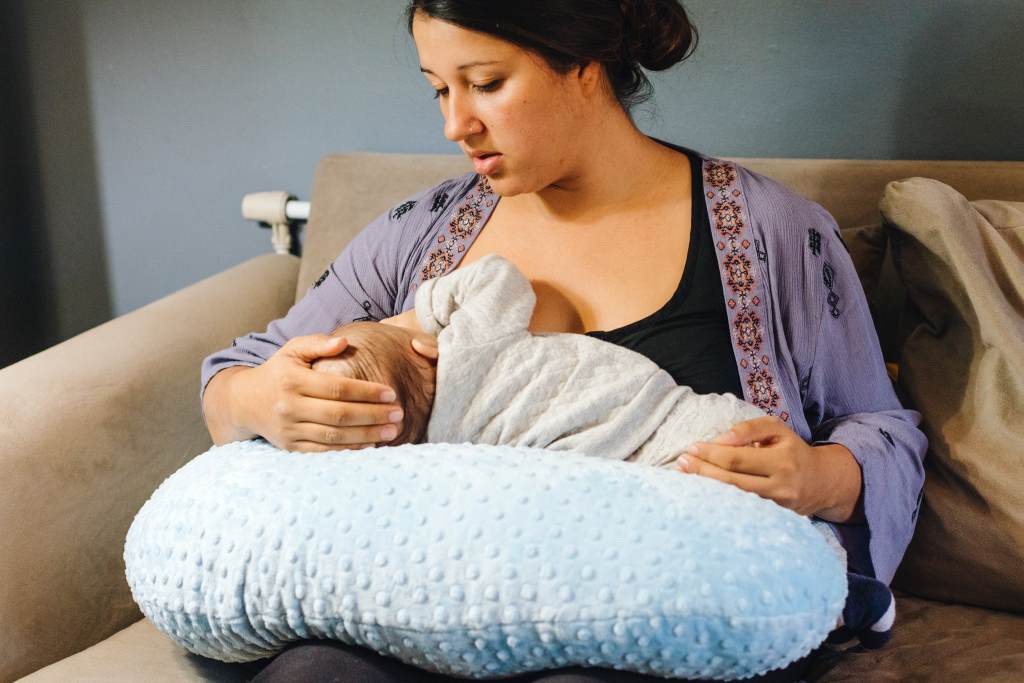
Choosing a nursing pillow requires considering your needs. Look for adjustable designs if you want flexibility. Firmness matters—too soft, and it won’t support your baby; too hard, and it’s uncomfortable. I picked a pillow with a washable cover after my baby’s spit-up incidents became a daily routine. Check for hypoallergenic materials if your baby has sensitive skin.
Price is another factor. Budget options work, but premium brands often offer better durability. Read reviews on trusted sites like BabyGearLab for comparisons. Also, consider portability if you travel often. Testing a pillow in-store or borrowing one can ensure it fits your body and feeding style.
Tips for Choosing
- Test Fit: Try it to ensure comfort.
- Check Materials: Opt for washable, hypoallergenic fabrics.
- Read Reviews: Look for mom-approved brands.
- Consider Versatility: Can it be used for other purposes?
Real Mom Stories: My Experience with a Nursing Pillow
When my daughter was born, breastfeeding was harder than I expected. My arms ached, and my back hurt from hunching. A friend lent me her nursing pillow, and it felt like a hug for my tired body. It propped my baby perfectly, letting me relax during feeds. However, it wasn’t always smooth. The pillow was bulky, and nighttime feeds were clumsy until I got the hang of it.
Talking to other moms, I learned some swore by their pillows, while others used regular cushions. One mom said her pillow helped her twin-feeding routine, saving her sanity. These stories showed me that while nursing pillows aren’t mandatory, they can make a big difference for many moms.
When to Skip a Nursing Pillow
You might not need a nursing pillow if you’re comfortable without one or have a limited budget. Moms with strong core muscles or those who master breastfeeding positions may find pillows unnecessary. I met a mom who breastfed her second child without one, as she’d learned to position her baby naturally.
If space is tight or you’re always on the go, a pillow might be impractical. Alternatives like blankets or your lap can work just as well. However, if you experience pain or struggle with latching, a pillow might be worth trying. Weigh your needs and test options to make an informed choice.
Conclusion
Deciding if you need a nursing pillow comes down to your comfort, lifestyle, and budget. These pillows offer support, reduce strain, and help with latching, making breastfeeding easier for many moms_mounts. My experience showed they can be a game-changer, but they’re not essential for everyone. Alternatives like regular pillows can work too. According to La Leche League, nursing pillows benefit 68% of moms, but your needs are unique. Try one to see if it suits you. Share your thoughts or experiences in the comments below, or pass this article along to other new moms who might need guidance!
FAQs
Do nursing pillows help with breastfeeding pain?
Yes, they reduce strain on your back and arms, easing discomfort during feeds.
Can I use a regular pillow instead of a nursing pillow?
Yes, regular pillows or blankets can provide similar support but may lack ergonomic design.
Are nursing pillows safe for babies?
Yes, they’re safe when used correctly, ensuring the baby’s face isn’t pressed against the pillow.
How much do nursing pillows cost?
They typically range from $20 to $50, depending on brand and features.
Can nursing pillows be used for bottle-feeding?
Yes, they support bottle-feeding by holding the baby at a comfortable angle.