
Recovering from hip or shoulder surgery is a serious process. Your body needs time, rest, and the right support to heal properly. One tool that plays a big role in that recovery is an abduction pillow. However, with so many options available, choosing the right one can feel overwhelming.
This guide will help you understand what an abduction pillow is, why it matters, and exactly what to look for when buying one. Therefore, by the end of this article, you will feel confident making the right choice for your recovery.
What Is an Abduction Pillow?
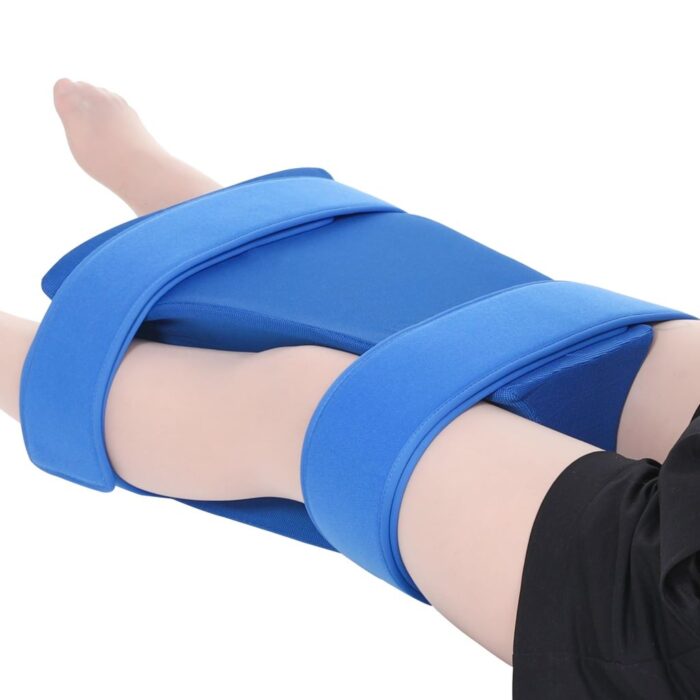
An abduction pillow is a specially shaped foam cushion. It is designed to hold your leg or arm in a specific position after surgery. The word abduction refers to moving a limb away from the center of the body. These pillows keep the operated limb in that outward position.
Surgeons often recommend abduction pillows after hip replacement, hip labrum repair, or shoulder surgery. Additionally, they are used after procedures involving the rotator cuff or femur. The pillow prevents unwanted movement that could disrupt healing or cause the joint to dislocate.
Without proper support, a newly operated joint is vulnerable. Therefore, an abduction pillow is not just a comfort item. It is a medical device that supports the recovery process.
Why the Right Abduction Pillow Matters
Not all abduction pillows are the same. Using the wrong one can slow your healing. It can even lead to complications. However, using the right pillow helps maintain proper alignment, reduces pain, and supports better sleep.
Many patients underestimate how much a pillow affects their recovery quality. A poorly fitted pillow may shift during the night. This can force the joint into an unsafe position. Additionally, discomfort from the wrong pillow can disturb sleep, and good sleep is essential for healing.
Therefore, understanding the key factors that separate a good abduction pillow from a bad one is worth your time and attention.
Key Factors to Consider When Choosing an Abduction Pillow
Type of Surgery
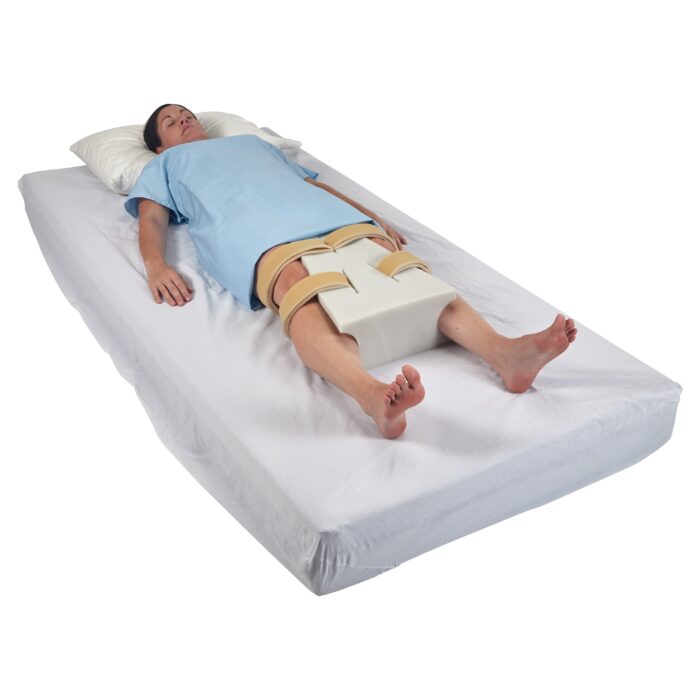
The first step is knowing what surgery you had. Hip surgery and shoulder surgery require very different styles of abduction pillows. Hip abduction pillows are large wedge-shaped cushions that go between the thighs. Shoulder abduction pillows are smaller and attach around the torso to elevate the arm.
Always talk to your surgeon or physical therapist before choosing a pillow. They will tell you the exact type and angle of abduction your recovery requires. This step is crucial because using the wrong design could interfere with your healing.
Size and Fit
Size matters more than many people realize. A pillow that is too small will not provide enough support. On the other hand, a pillow that is too large may cause awkward positioning and discomfort. Therefore, always check the sizing guide provided by the manufacturer.
Hip abduction pillows usually come in small, medium, and large sizes based on body weight and hip width. Shoulder abduction pillows are often adjustable. They come with straps that wrap around the body. Make sure the straps are long enough to fit comfortably around your torso.
Additionally, consider your height and weight. Heavier patients may need a firmer, denser foam to avoid compression. Lighter patients may find softer foam more comfortable. The goal is a snug, stable fit that holds the limb in place without pressure points.
Foam Density and Material Quality
The material of the pillow directly affects comfort and support. Most abduction pillows are made from polyurethane foam. However, not all foam is equal. High-density foam holds its shape over time. Low-density foam may flatten within a few days, leaving you with inadequate support.
Memory foam is another option. It contours to your body shape and can be very comfortable. However, it may be too soft for some surgical positions. Therefore, check with your doctor before choosing a memory foam option.
The cover material also matters. Look for a removable, washable cover. Recovery can be messy, and keeping your pillow clean supports a healthier healing environment. Breathable fabrics like cotton blends also help regulate body temperature during sleep.
Angle of Abduction
Different surgeries require different angles. Common hip abduction angles are 30, 45, or 60 degrees. Your surgeon will prescribe the specific angle based on your procedure. Therefore, it is important to buy a pillow that matches that exact specification.
Some pillows offer adjustable angles, which can be useful if your angle requirement changes during recovery. However, adjustable options may not always hold the position as firmly as fixed-angle designs. Talk to your care team about what works best for your situation.
Ease of Use and Adjustability
After surgery, your mobility is limited. Therefore, an abduction pillow must be easy to put on and take off. Look for pillows with simple velcro straps or buckles. Complicated fasteners are frustrating when you are in pain or have limited range of motion.
If a caregiver will help you use the pillow, consider how easy it is for them to apply and adjust. Additionally, think about whether you need to use it only at night or throughout the day. Daytime use may require a more secure design with better strapping systems.
Durability and Longevity
Recovery from major surgery takes weeks or months. Your abduction pillow needs to last the full duration. Check reviews to see if other users report the foam breaking down early. A high-quality pillow should maintain its shape and firmness throughout your recovery period.
Additionally, look for pillows with reinforced stitching on the straps and cover. Weak stitching is a common quality issue in lower-priced models. However, a higher price does not always mean better quality. Focus on verified reviews and medical-grade certifications when available.
Tips for Using an Abduction Pillow Correctly
Buying the right pillow is only half the process. You also need to use it correctly. Here are some practical tips:
- Always follow your surgeon’s instructions on how long and how often to wear the pillow.
- Do not remove the pillow during sleep unless your doctor has specifically cleared you to do so.
- Check the pillow’s straps each morning for any signs of wear or loosening.
- Wash the cover at least once a week to maintain cleanliness.
- Never use a substitute pillow, such as a regular bed pillow, unless approved by your medical team.
Following these tips will help you get the most out of your abduction pillow and support a smoother recovery.
Where to Buy an Abduction Pillow
You can find abduction pillows at medical supply stores, orthopedic clinics, and online retailers. However, not all sellers offer the same quality. It is wise to check if the product is recommended or sold by medical suppliers rather than general consumer goods stores.
Your hospital or surgical center may also provide a pillow as part of your discharge kit. Additionally, some insurance plans cover the cost of medically necessary equipment. Check with your provider to see if you qualify for reimbursement.
If you buy online, look for sellers with a clear return policy. Recovery needs can change, and you may need a different size or angle than originally expected. Therefore, buying from a store with flexible returns gives you peace of mind.
Conclusion
Choosing the right abduction pillow is an important part of your post-surgery recovery plan. The right pillow will keep your joint safe, reduce pain, and help you sleep better. However, the wrong pillow can cause discomfort or even slow your healing.
To summarize, focus on these key factors: the type of surgery you had, the correct size and fit, the foam density and material, the prescribed angle of abduction, and ease of use. Additionally, make sure the pillow is durable enough to last throughout your entire recovery period.
Always consult your surgeon or physical therapist before making a final decision. They know your specific needs best. Therefore, with the right guidance and a well-chosen abduction pillow, you can give yourself the best possible chance for a full and comfortable recovery.
Frequently Asked Questions
1. How long do I need to use an abduction pillow after hip surgery?
Most patients use an abduction pillow for 6 to 12 weeks after hip surgery. However, the exact duration depends on your procedure and your surgeon’s instructions. Always follow your medical team’s guidance on when it is safe to stop using it.
2. Can I sleep on my side while using an abduction pillow?
After most hip surgeries, sleeping on your back with the abduction pillow in place is recommended. Side sleeping may put the joint at risk, especially in early recovery. Therefore, ask your surgeon when side sleeping becomes safe for you.
3. Is an abduction pillow covered by insurance?
In many cases, yes. If your doctor prescribes an abduction pillow as medically necessary, your health insurance may cover part or all of the cost. Contact your insurance provider and ask about durable medical equipment coverage to confirm your benefits.
4. What is the difference between a hip abduction pillow and a shoulder abduction pillow?
A hip abduction pillow is a wedge placed between the thighs to keep the legs apart. A shoulder abduction pillow attaches to the body and elevates the arm outward from the side. Each is designed specifically for its surgical site and cannot be used interchangeably.
5. Can I wash my abduction pillow?
Most abduction pillows have removable, machine-washable covers. The foam insert itself should not be submerged in water. Additionally, allow the cover to air dry completely before putting it back on the foam to prevent mold or mildew buildup.
Related Topics:
The Best Kid Pillow for Comfort and Support: A Parent’s Ultimate Guide
Best Toddler Pillow for Crib: Safe and Supportive Options for Restful Nights