
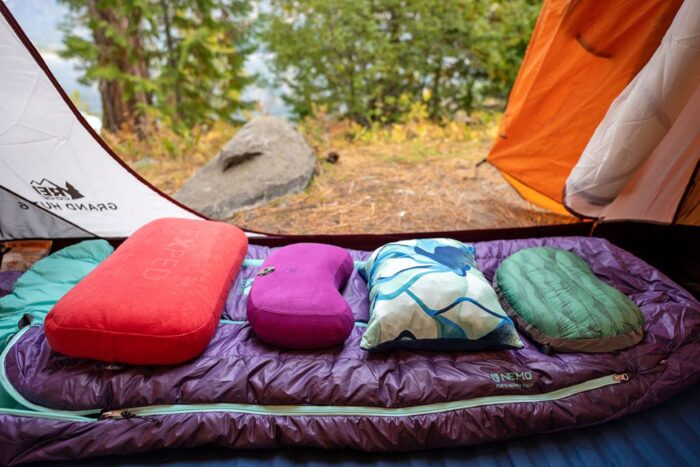
There’s nothing quite like sleeping under the stars, but a poor night’s rest can turn an outdoor adventure into a miserable experience. A compressible camping pillow can make all the difference, offering the comfort of home while being compact enough to fit in your backpack. Unlike bulky traditional pillows, compressible pillows are designed to be lightweight, packable, and easy to carry, making them ideal for camping, hiking, or travel.
I remember my first camping trip without a proper pillow. I tried using a rolled-up jacket, a stuff sack filled with clothes, and even a bundle of leaves—none of which provided the comfort I needed. That’s when I realized the importance of investing in a high-quality, compressible camping pillow. Since then, I’ve never hit the trail without one.
In this guide, I’ll walk you through everything you need to know to choose the perfect compressible camping pillow for your outdoor adventures.
Why a Compressible Camping Pillow is a Must-Have
A compressible camping pillow is more than just a luxury—it’s a necessity for a good night’s sleep in the great outdoors. According to a study by Outdoor Gear Lab, over 70% of campers reported better sleep quality after switching to a dedicated camping pillow. This is because compressible pillows are designed to provide the support and comfort you need, even in rugged conditions.
One of the biggest advantages of a compressible camping pillow is its portability. Unlike traditional pillows, which are bulky and difficult to transport, compressible pillows can be packed down to a fraction of their size, making them easy to carry in your backpack or attach to your gear. Additionally, many compressible pillows are lightweight, so they won’t weigh you down on long hikes or trips.
For more insights on the benefits of these pillows, check out this camping pillow guide. It highlights how a good camping pillow can enhance your outdoor experience by providing the comfort and support you need for a restful night’s sleep.
However, not all compressible camping pillows are created equal. Some may lack the support, durability, or comfort needed for a good night’s rest. Therefore, understanding the key features to look for is essential.
Key Features to Look For
When choosing a compressible camping pillow, the first feature to consider is the fill material. The fill determines the pillow’s comfort, support, and compressibility. The most common fill materials for camping pillows are synthetic fibers, memory foam, and down or down alternative.
Synthetic fibers, such as polyester, are a popular choice for compressible camping pillows due to their lightweight, quick-drying nature. They’re also affordable and easy to maintain, making them a great option for budget-conscious campers. However, synthetic fibers may not provide the same level of support or comfort as other materials.
Memory foam is another excellent option for camping pillows. It conforms to the shape of your head and neck, providing personalized support and pressure relief. Memory foam pillows are ideal for those who need extra cushioning or have specific comfort needs. However, they can be heavier and less compressible than synthetic fiber pillows.
Down or down alternative fill is a great choice for those who want a more luxurious feel. Down pillows are soft, lightweight, and highly compressible, making them ideal for backpacking and travel. However, they can be more expensive and may not be suitable for those with allergies. Down alternative fill, such as synthetic down, offers a similar feel to down but is more affordable and hypoallergenic.
Next, pay attention to the pillow’s cover material. The cover should be durable, breathable, and easy to clean. Common cover materials include polyester, nylon, and cotton. Polyester and nylon are lightweight, quick-drying, and resistant to wear and tear, making them ideal for outdoor use. Cotton is soft and breathable but may not be as durable or quick-drying as synthetic materials.
Finally, think about the pillow’s size and shape. A good camping pillow should be large enough to provide adequate support for your head and neck but compact enough to fit in your backpack. Additionally, consider the pillow’s shape. Some camping pillows are rectangular, while others are contoured or ergonomic, designed to provide extra support for your neck and head.
Types of Compressible Camping Pillows
Compressible camping pillows come in various types, each designed for specific needs and preferences. Understanding the different types can help you choose the best one for your outdoor adventures.
- Inflatable Pillows: These pillows are filled with air and can be inflated to your desired firmness. They’re lightweight, compact, and easy to pack, making them ideal for backpacking and travel. Inflatable pillows often come with a built-in pump or require a separate pump for inflation. However, they may not provide the same level of comfort or support as other types of pillows.
- Self-Inflating Pillows: These pillows use a combination of air and foam to provide support and comfort. They’re designed to inflate automatically when the valve is opened, making them quick and easy to set up. Self-inflating pillows are a great choice for those who want a balance of comfort and convenience. However, they can be heavier and bulkier than inflatable pillows.
- Compressible Foam Pillows: These pillows are made from memory foam or other types of foam and can be compressed for easy packing. They provide excellent support and comfort but can be heavier and less compact than inflatable or self-inflating pillows. Compressible foam pillows are a great choice for those who prioritize comfort and support over portability.
- Down or Down Alternative Pillows: These pillows are filled with down or synthetic down alternative and can be compressed for easy packing. They’re soft, lightweight, and highly compressible, making them ideal for backpacking and travel. However, they can be more expensive and may not be suitable for those with allergies.
- Hybrid Pillows: Some camping pillows combine the best features of different types, such as a compressible foam core with a soft, breathable cover. These hybrid pillows offer a balance of comfort, support, and portability, making them a versatile choice for various outdoor activities.
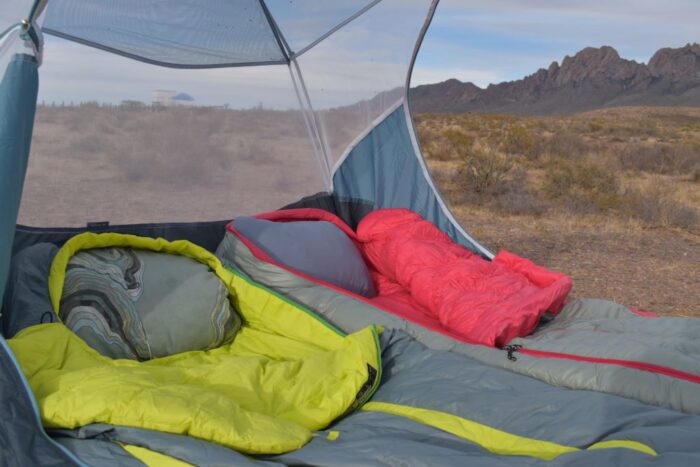
Material Matters: Choosing the Right Fill and Cover
The material of your compressible camping pillow plays a significant role in its comfort, support, and durability. As mentioned earlier, the fill material determines the pillow’s cushioning and compressibility. Synthetic fibers, such as polyester, are lightweight, quick-drying, and affordable, making them a great choice for budget-conscious campers. However, they may not provide the same level of support or comfort as memory foam or down.
Memory foam is an excellent option for those who need extra cushioning or have specific comfort needs. It conforms to the shape of your head and neck, providing personalized support and pressure relief. However, memory foam pillows can be heavier and less compressible than synthetic fiber pillows.
Down or down alternative fill is a popular choice for those seeking a more luxurious sleeping experience. Pillows made with this fill are soft, lightweight, and highly compressible, making them especially suitable for backpacking and travel. Down alternative fills, such as synthetic down, provide a similar soft and fluffy feel but are generally more affordable and hypoallergenic, making them a practical option for people with sensitivities.
The cover material is also important. Polyester and nylon are lightweight, quick-drying, and resistant to wear and tear, making them ideal for outdoor use. Cotton is soft and breathable but may not be as durable or quick-drying as synthetic materials. Additionally, consider a cover with a water-resistant or waterproof coating, which can protect the pillow from moisture and extend its lifespan.
Finally, think about the pillow’s stitching and construction. High-quality stitching and construction ensure the pillow maintains its shape and support over time. Look for a pillow with double-stitched seams and reinforced edges for added durability.
Size and Shape for Optimal Comfort
The size and shape of your compressible camping pillow play a significant role in its comfort and support. A good camping pillow should be large enough to provide adequate support for your head and neck but compact enough to fit in your backpack. Additionally, consider the pillow’s shape. Some camping pillows are rectangular, while others are contoured or ergonomic, designed to provide extra support for your neck and head.
For most campers, a pillow that is around 12 to 18 inches long and 8 to 12 inches wide is a good starting point. This size provides enough support for your head and neck while remaining compact and portable. However, the ideal size for you depends on your personal preferences and sleeping position.
If you’re a side sleeper, consider a pillow that is slightly larger and firmer to provide adequate support for your head and neck. For back sleepers, a medium-sized pillow with a balanced level of firmness is typically the best choice. Stomach sleepers may prefer a softer, flatter pillow to prevent strain on the neck.
Additionally, consider the pillow’s loft, or height. A higher loft pillow provides more support and elevation for your head and neck, while a lower loft pillow is flatter and more compact. The right loft for you depends on your sleeping position and personal preferences.
Finally, think about the pillow’s shape. Rectangular pillows are the most common and versatile, providing a large surface area for support. Contoured or ergonomic pillows are designed to provide extra support for your neck and head, making them a great choice for those with specific comfort needs.
Portability and Packability
Portability is one of the biggest advantages of a compressible camping pillow. Unlike traditional pillows, which are bulky and difficult to transport, compressible pillows can be packed down to a fraction of their size, making them easy to carry in your backpack or attach to your gear.
The pillow’s compressed size is an important factor to consider. Look for a pillow that can be packed down to a size that fits easily in your backpack or luggage. Most compressible camping pillows can be packed down to the size of a water bottle or smaller, making them ideal for backpacking and travel.
Additionally, consider the pillow’s weight. A lighter pillow is easier to carry and transport, making it ideal for long hikes or trips. Most compressible camping pillows weigh between 4 and 12 ounces, but the ideal weight for you depends on your personal preferences and needs.
The pillow’s packing method is another important factor. Some compressible camping pillows come with a built-in stuff sack or compression strap, which makes packing and unpacking quick and easy. Others may require a separate stuff sack or compression bag. Additionally, consider a pillow with a carabiner or attachment loop, which allows you to attach the pillow to the outside of your backpack for easy access.
Finally, think about the pillow’s setup time. Some compressible camping pillows, such as inflatable or self-inflating models, require a few minutes to set up and inflate. Others, like compressible foam or down pillows, can be used immediately out of the pack. Choose a pillow with a setup time that fits your needs and preferences.
Durability and Weather Resistance
Durability is a key factor to consider when choosing a compressible camping pillow for outdoor trips. A durable pillow can withstand the rigors of camping, from rough terrain to changing weather conditions, ensuring it lasts for many adventures to come.
Look for a pillow with high-quality materials and construction. As mentioned earlier, synthetic fibers, memory foam, and down or down alternative are all durable and long-lasting options for camping pillows. Additionally, consider a pillow with a durable cover material, such as polyester or nylon, which is resistant to wear and tear.
The pillow’s stitching and construction are also important for durability. Look for a pillow with double-stitched seams and reinforced edges, which provide added strength and prevent the pillow from coming apart at the seams. Additionally, consider a pillow with a water-resistant or waterproof cover, which can protect the pillow from moisture and extend its lifespan.
Weather resistance is another important factor for outdoor use. A good camping pillow should be able to handle a variety of weather conditions, from rain and wind to heat and humidity. Look for a pillow with a water-resistant or waterproof cover, which can protect the pillow from moisture and prevent mold or mildew buildup. Additionally, consider a pillow with a quick-drying fill material, such as synthetic fibers or down alternative, which can dry quickly after exposure to rain or dew.
Finally, think about the pillow’s temperature regulation. Some camping pillows are designed to regulate temperature, keeping you cool in hot weather and warm in cold weather. Look for a pillow with a breathable cover material, such as polyester or nylon, which allows air to circulate and prevent heat buildup. Additionally, consider a pillow with a cooling gel layer or phase-change material, which can help regulate temperature and improve comfort.
Maintenance and Care Tips
To ensure your compressible camping pillow lasts for many outdoor trips to come, regular maintenance and care are essential. After each use, shake out the pillow to remove any dirt, sand, or debris. If the pillow is dirty or sweaty, spot clean it with a damp cloth and mild soap solution. Avoid submerging the pillow in water or using a washing machine, as this can damage the fill material or cover.
Next, allow the pillow to air dry completely before packing it away. This is especially important for memory foam or down pillows, which can retain moisture and develop mold or mildew if not dried properly. Additionally, store the pillow in a cool, dry place when not in use, away from direct sunlight or heat sources, which can damage the materials or cause the fill to break down.
Regularly inspect the pillow for signs of wear or damage, such as frayed seams, flattened fill, or a torn cover. Replace or repair the pillow as needed to ensure it continues to provide the comfort and support you need.
Finally, consider using a pillowcase or liner to protect your compressible camping pillow from dirt, sweat, and wear. A pillowcase or liner can be easily removed and washed, extending the lifespan of your pillow and keeping it fresh and clean. Additionally, a pillowcase or liner can add an extra layer of comfort and softness to your pillow.
Conclusion
Picking the perfect compressible camping pillow for your outdoor trips doesn’t have to be complicated. By considering factors like fill material, size, portability, and durability, you can find a pillow that meets your specific needs and enhances your outdoor experience.
I’ve tested countless compressible camping pillows over the years, and the right one has made a world of difference in my comfort and sleep quality on the trail. Whether I’m backpacking through the mountains or car camping at a scenic overlook, my camping pillow gives me the support and rest I need to make the most of my adventures.
Now it’s your turn. Use this guide to find the perfect compressible camping pillow for your next outdoor trip. If you have your own tips or favorite models, share them in the comments below. And if you found this guide helpful, don’t forget to share it with your fellow outdoor enthusiasts!
FAQs
What is the best fill material for a compressible camping pillow?
The best fill material depends on your personal preferences and needs. Synthetic fibers are lightweight, quick-drying, and affordable, making them a great choice for budget-conscious campers. Memory foam provides excellent support and comfort but can be heavier and less compressible. Down or down alternative fill is soft, lightweight, and highly compressible, making it ideal for backpacking and travel.
How do I choose the right size compressible camping pillow?
Choose a pillow that is large enough to provide adequate support for your head and neck but compact enough to fit in your backpack. For most campers, a pillow that is around 12 to 18 inches long and 8 to 12 inches wide is a good starting point. The ideal size for you depends on your personal preferences and sleeping position.
Can I wash my compressible camping pillow?
It depends on the pillow’s materials and construction. Most compressible camping pillows can be spot cleaned with a damp cloth and mild soap solution. Avoid submerging the pillow in water or using a washing machine, as this can damage the fill material or cover. Always follow the manufacturer’s care instructions for the best results.
How do I pack and store my compressible camping pillow?
After each use, shake out the pillow to remove any dirt, sand, or debris. Allow the pillow to air dry completely before packing it away. Store the pillow in a cool, dry place when not in use, away from direct sunlight or heat sources. Consider using a pillowcase or liner to protect the pillow from dirt, sweat, and wear.
Are compressible camping pillows suitable for all sleeping positions?
Yes, but the ideal pillow for you depends on your sleeping position and personal preferences. Side sleepers may prefer a slightly larger and firmer pillow to provide adequate support for their head and neck. Back sleepers typically do well with a medium-sized pillow with a balanced level of firmness. Stomach sleepers may prefer a softer, flatter pillow to prevent strain on the neck.