
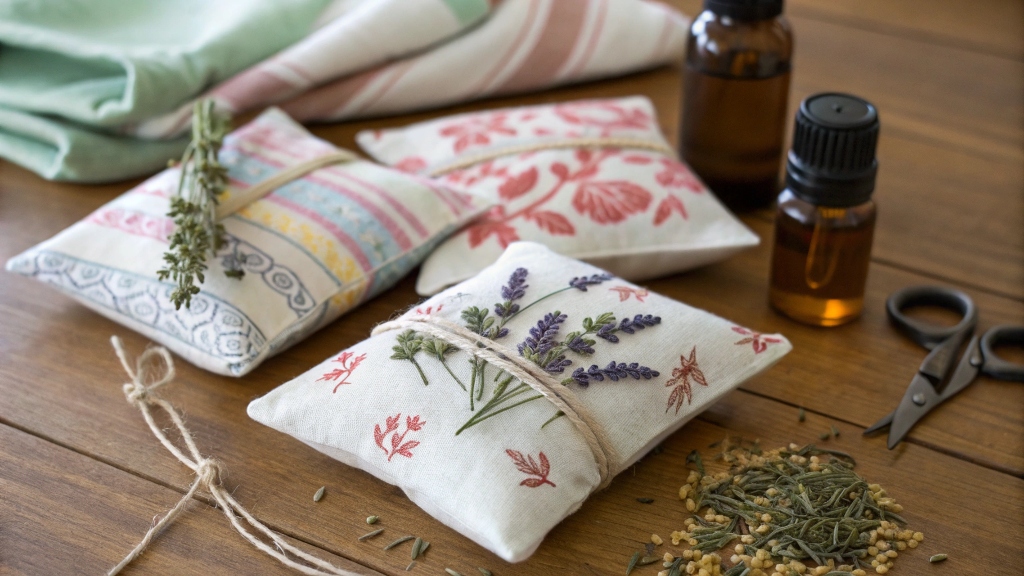
Aromatherapy pillow inserts are small, scented sachets designed to be placed inside pillows or pillowcases to promote relaxation, improve sleep quality, and enhance overall well-being through the power of essential oils and natural fragrances. Crafting these inserts at home allows for personalization, cost savings, and a creative outlet. This guide explores the history, techniques, benefits, challenges, and future trends of DIY aromatherapy pillow inserts, offering in-depth insights for enthusiasts and newcomers alike.
History of Aromatherapy and Pillow Inserts
Origins of Aromatherapy
Aromatherapy, the practice of using essential oils for therapeutic purposes, has roots dating back thousands of years.
-
Ancient Civilizations:
-
Egyptians used aromatic oils in religious rituals and medicinal practices as early as 3000 BCE.
-
Chinese and Indian traditions incorporated plant extracts in healing systems like Ayurveda and Traditional Chinese Medicine.
-
-
Medieval and Renaissance Europe:
-
Essential oils were distilled for perfumes and remedies, with lavender and rosemary gaining popularity for relaxation.
-
-
Modern Aromatherapy:
-
In the 20th century, French chemist René-Maurice Gattefossé coined the term “aromatherapy” after discovering lavender oil’s healing properties.
-
The practice gained traction in wellness circles, leading to innovations like scented pillows.
-
Evolution of Pillow Inserts
Aromatherapy pillow inserts emerged as a practical application of essential oils in daily life.
-
Early Uses:
-
Herbal sachets, filled with dried lavender or chamomile, were tucked into pillows in medieval Europe to ward off pests and promote sleep.
-
-
19th Century:
-
Victorian-era households popularized “dream pillows” stuffed with calming herbs.
-
-
20th Century:
-
The rise of commercial aromatherapy products introduced mass-produced scented inserts.
-
-
DIY Movement:
-
The 21st-century DIY trend, fueled by online tutorials and eco-consciousness, revitalized homemade pillow inserts as a sustainable alternative.
-
Current State of DIY Aromatherapy Pillow Inserts
Popularity and Accessibility
DIY aromatherapy pillow inserts are thriving due to their affordability and customization options.
-
Online Communities:
-
Platforms like Pinterest and Etsy offer tutorials, patterns, and inspiration.
-
Blogs and YouTube channels provide step-by-step guides for beginners.
-
-
Materials Availability:
-
Essential oils, dried herbs, and natural fabrics are widely available at craft stores and online retailers.
-
-
Cultural Shift:
-
Growing interest in natural wellness and sustainability drives demand for homemade solutions.
-
Common Practices
Modern DIY inserts combine traditional herbs with contemporary essential oils.
-
Popular Ingredients:
-
Lavender, chamomile, and eucalyptus for relaxation.
-
Peppermint and rosemary for mental clarity.
-
-
Fabric Choices:
-
Cotton, linen, or muslin for breathability and durability.
-
-
Techniques:
-
Sewing small sachets or using no-sew methods like tying fabric with ribbon.
-
Key Concepts of DIY Aromatherapy Pillow Inserts
Understanding Essential Oils
Essential oils are concentrated plant extracts that deliver therapeutic benefits.
-
Extraction Methods:
-
Steam distillation: Common for lavender and eucalyptus.
-
Cold pressing: Used for citrus oils like bergamot.
-
-
Safety Considerations:
-
Dilute oils to prevent skin irritation.
-
Avoid phototoxic oils (e.g., bergamot) in direct sunlight.
-
-
Blending Techniques:
-
Combine oils for synergistic effects (e.g., lavender and cedarwood for deep relaxation).
-
Choosing Fillers
The filler material affects scent retention and comfort.
-
Natural Fillers:
-
Dried lavender buds: Long-lasting fragrance.
-
Chamomile flowers: Mild, calming scent.
-
Rice or flaxseed: Adds weight for stability.
-
-
Synthetic Alternatives:
-
Polyester pellets: Lightweight but less eco-friendly.
-
Foam beads: Retain scent poorly.
-
Fabric and Construction
The outer material influences durability and scent diffusion.
-
Breathable Fabrics:
-
Cotton muslin: Affordable and widely available.
-
Linen: Durable and naturally antimicrobial.
-
-
Sewing Techniques:
-
Double-stitch seams to prevent leaks.
-
Add a zipper for easy refilling.
-
Benefits of DIY Aromatherapy Pillow Inserts
Health and Wellness
Aromatherapy pillows offer physical and mental health benefits.
-
Improved Sleep Quality:
-
Lavender reduces anxiety and promotes deeper sleep, per a 2015 study in Journal of Alternative and Complementary Medicine.
-
Chamomile alleviates insomnia symptoms.
-
-
Stress Reduction:
-
Inhaling calming scents lowers cortisol levels.
-
-
Headache Relief:
-
Peppermint and eucalyptus ease tension headaches.
-
Customization and Cost Savings
DIY inserts allow for tailored experiences.
-
Personalized Scents:
-
Create blends for specific needs (e.g., energizing citrus for morning use).
-
-
Budget-Friendly:
-
Homemade inserts cost $5–$10 versus $20–$50 for commercial products.
-
-
Eco-Friendly:
-
Use organic materials and reusable fabrics to reduce waste.
-
Creative Expression
Crafting inserts is a rewarding hobby.
-
Therapeutic Process:
-
Sewing and blending scents can be meditative.
-
-
Gift Potential:
-
Handmade inserts make thoughtful, personalized gifts.
-
Challenges of DIY Aromatherapy Pillow Inserts
Scent Longevity
Maintaining fragrance over time is a common issue.
-
Factors Affecting Longevity:
-
Essential oils evaporate quickly without proper sealing.
-
Low-quality fillers absorb scents unevenly.
-
-
Solutions:
-
Store inserts in airtight containers when not in use.
-
Refresh with a few drops of oil every 1–2 months.
-
Allergies and Sensitivities
Some users may react to ingredients.
-
Common Allergens:
-
Lavender and chamomile can trigger sensitivities in rare cases.
-
Synthetic fragrances may cause respiratory issues.
-
-
Mitigation Strategies:
-
Test small amounts of oils on skin before use.
-
Opt for hypoallergenic fillers like organic rice.
-
Time and Skill Requirements
Crafting requires effort and practice.
-
Learning Curve:
-
Sewing skills are needed for durable inserts.
-
Blending oils requires knowledge of proportions.
-
-
Time Commitment:
-
A single insert takes 30–60 minutes to make.
-
-
Simplification Tips:
-
Use pre-cut fabric squares.
-
Follow beginner-friendly tutorials.
-
Future Trends in DIY Aromatherapy Pillow Inserts
Technological Integration
Innovations are enhancing DIY aromatherapy.
-
Smart Inserts:
-
Research into microencapsulated essential oils promises longer-lasting scents.
-
Wearable tech-inspired inserts may monitor sleep patterns.
-
-
3D Printing:
-
Custom molds for shaping inserts are gaining traction in craft communities.
-
Sustainability Focus
Eco-conscious trends are shaping the future.
-
Biodegradable Materials:
-
Hemp and bamboo fabrics are becoming popular.
-
Recycled fillers like buckwheat hulls reduce waste.
-
-
Zero-Waste Kits:
-
Companies are offering DIY kits with compostable packaging.
-
Personalization Through AI
Technology is enabling tailored experiences.
-
AI-Driven Blends:
-
Apps may recommend oil combinations based on user preferences.
-
-
Subscription Models:
-
Monthly DIY kits with curated oils and fillers are emerging.
-
Comparison Table: DIY vs. Commercial Aromatherapy Pillow Inserts
|
Feature |
DIY Inserts |
Commercial Inserts |
|---|---|---|
|
Cost |
$5–$10 per insert |
$20–$50 per insert |
|
Customization |
Fully customizable scents and fillers |
Limited to pre-made blends |
|
Scent Longevity |
1–3 months with maintenance |
3–6 months with synthetic additives |
|
Eco-Friendliness |
High (organic, reusable materials) |
Variable (some use plastic packaging) |
|
Skill Required |
Basic sewing or no-sew techniques |
None (ready-to-use) |
Review of DIY Aromatherapy Pillow Inserts
User Experiences
DIY pillow inserts receive positive feedback for their versatility.
-
Pros:
-
Affordable and fun to make.
-
Highly customizable for individual needs.
-
Eco-friendly compared to mass-produced alternatives.
-
-
Cons:
-
Scent fades faster than commercial products.
-
Requires time and effort to perfect.
-
Expert Opinions
Aromatherapy experts praise DIY inserts for their therapeutic potential.
-
Dr. Jane Miller, Aromatherapist:
-
“Homemade inserts allow users to experiment with blends tailored to their emotional and physical needs, fostering a deeper connection to aromatherapy.”
-
-
Crafting Blogs:
-
Sites like Craftsy highlight the creative satisfaction of making inserts.
-
Discover More: DIY Pillow Deodorizer Using Essential Oils and Baking Soda
FAQs About DIY Aromatherapy Pillow Inserts
1. What essential oils are best for beginners?
-
Lavender, chamomile, and cedarwood are safe, versatile, and widely available. Start with single oils before blending.
2. How often should I refresh the scent?
-
Add 2–3 drops of essential oil every 1–2 months, depending on usage and storage conditions.
3. Can I make no-sew pillow inserts?
-
Yes, use fabric glue or tie muslin squares with ribbon for a quick, no-sew option.
4. Are there risks to using aromatherapy pillow inserts?
-
Allergies or skin sensitivities are possible. Always test oils and avoid overuse near pets or children.
5. How can I make my inserts last longer?
-
Store in airtight bags, use high-quality oils, and choose dense fillers like rice to retain scents.
Read More Also: Can I Wash My Pillow in the Washing Machine?
Conclusions
DIY aromatherapy pillow inserts offer a unique blend of creativity, wellness, and sustainability. From their historical roots in herbal sachets to their modern resurgence in eco-conscious households, these inserts provide a cost-effective way to enhance sleep, reduce stress, and express individuality. While challenges like scent longevity and crafting skills exist, solutions like high-quality materials and beginner-friendly techniques make the process accessible. Future trends, including sustainable materials and AI-driven personalization, promise to elevate the DIY experience. Whether you’re a seasoned aromatherapy enthusiast or a curious beginner, crafting your own pillow inserts is a rewarding journey into the world of natural wellness.