
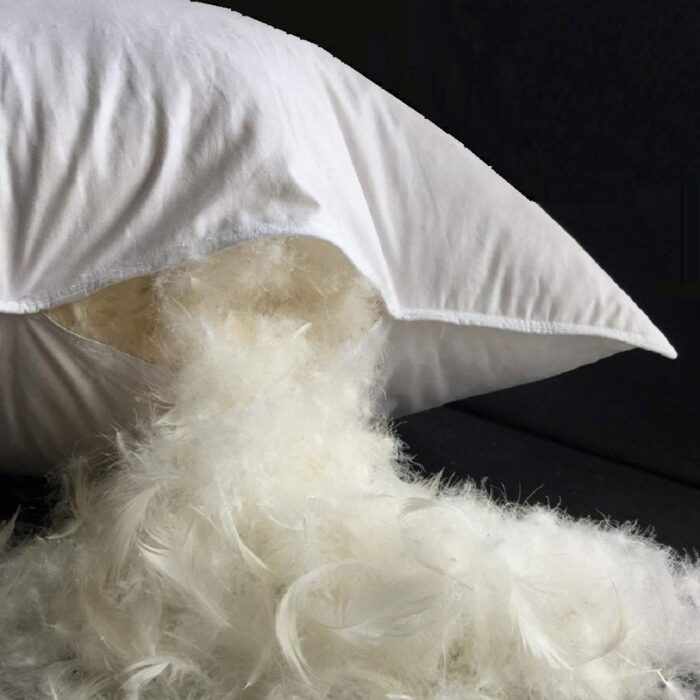
Choosing the right pillow can change how you sleep—and how you feel when you wake up. With a market flooded by options, it’s crucial to understand pillow materials. From plush down to firm latex, each pillow type serves different needs, preferences, and budgets. This guide breaks down the most popular pillow materials, based on performance, comfort, support, and longevity.
Memory Foam Pillows: Adaptive Support for Pressure Relief
Memory foam pillows have surged in popularity over the last decade. Originally developed by NASA, memory foam contours to the shape of your head and neck. This material responds to body heat, which allows it to mold perfectly to your sleeping posture.
A 2023 Sleep Foundation report stated that over 42% of people who use memory foam pillows experience less neck pain after switching from traditional pillows. This isn’t just marketing hype—it’s backed by real pressure-mapping studies.
However, some users report that memory foam can feel too firm or hot. Traditional memory foam retains heat, which can disrupt sleep. To address this, many modern designs include ventilation holes, gel infusions, or open-cell structures to enhance breathability.
Expert Tip: Look for shredded memory foam pillows if you prefer a more moldable, adjustable feel. They offer better airflow and height customization.
Latex Pillows: Eco-Friendly and Resilient
Latex pillows are the top choice for eco-conscious sleepers and allergy sufferers. Made from natural rubber tree sap, they’re resistant to dust mites and mold. Latex is also biodegradable, making it a greener option than synthetic materials.
Natural latex offers a buoyant, springy feel. Unlike memory foam, it doesn’t sink or hold onto your head’s shape. Instead, it provides quick responsiveness and supports proper spinal alignment.
Data from the National Sleep Products Association shows that latex pillows can last over 5 years with minimal compression—almost double the lifespan of standard polyester or feather pillows.
However, they’re not for everyone. Some find latex too firm or “bouncy.” And while rare, latex allergies are a consideration. Choose certified organic or GOLS-certified latex if you want the cleanest, safest version.
Expert Tip: Ventilated latex models increase breathability and reduce sweating, ideal for hot sleepers.
Feather and Down Pillows: Luxurious Softness, But With Trade-Offs
Feather and down pillows have long been associated with hotel-level luxury. Down refers to the soft undercoating of geese or ducks, while feathers come from their outer plumage.
These pillows are incredibly soft and lightweight. Down clusters trap air effectively, offering plush comfort without weight. Feather pillows, being less expensive, contain quills and offer more structure.
However, they tend to flatten over time. Frequent fluffing is necessary to maintain loft. Allergy concerns are another downside, although “hypoallergenic down” options are treated to reduce allergens.
According to Consumer Reports, 30% of users with down pillows noted regular sneezing or sinus issues—despite allergen treatments.
Expert Tip: If you love the feel but worry about ethics, consider synthetic down alternatives that mimic the loft of real feathers.
Polyester and Microfiber Pillows: Budget-Friendly and Hypoallergenic
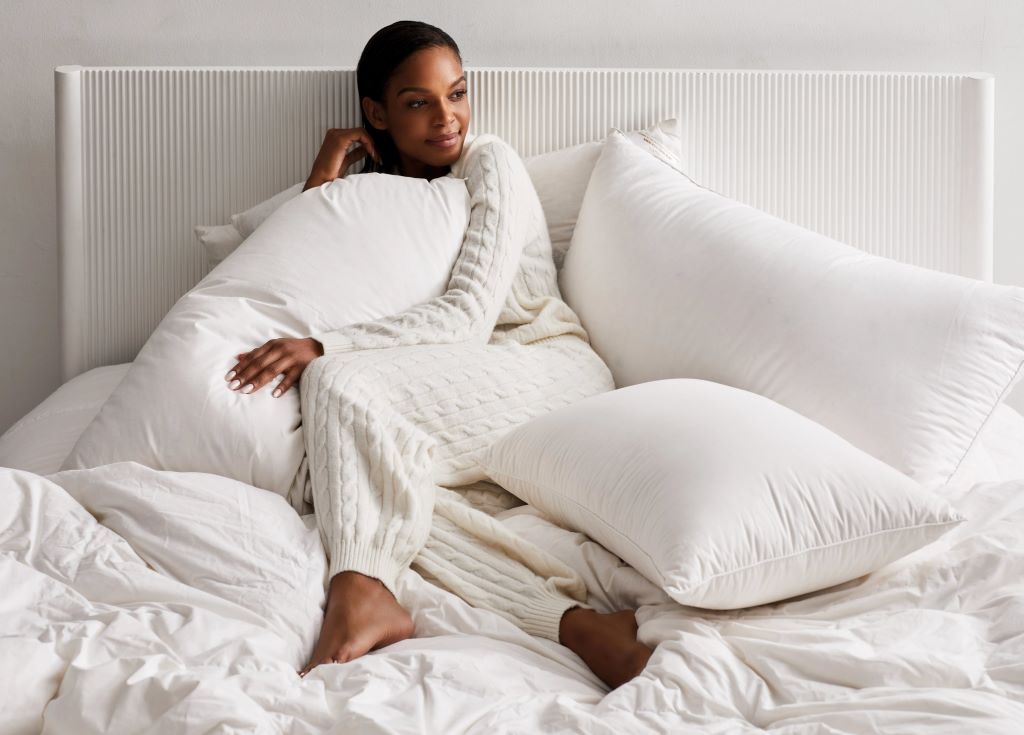
Polyester pillows are widely available and affordable, making them a go-to for guest rooms or temporary setups. They mimic the softness of down without the allergy concerns.
However, they lack durability. Most polyester pillows lose shape within 6 to 12 months. They also trap heat and offer minimal neck support, especially for side sleepers.
Microfiber—a finer, denser version of polyester—performs slightly better, offering improved comfort and loft retention. Still, they don’t match the ergonomic benefits of memory foam or latex.
Expert Tip: Use these pillows as fillers or decorative accents rather than your main pillow.
Buckwheat Pillows: Customizable but Noisy
Buckwheat hull pillows are filled with the outer shells of buckwheat seeds. These offer firm, moldable support and excellent airflow, keeping you cool. They conform well to head and neck positions, making them ideal for spinal alignment.
The major drawback? Noise and weight. These pillows are heavy and rustle when moved, which can disrupt light sleepers. They’re also not for those who prefer soft or plush surfaces.
Expert Tip: Choose a zippered version to adjust the amount of fill to suit your firmness preference.
Featured Snippet Q&A:
What is the best pillow material for neck pain?
The best pillow material for neck pain is memory foam, specifically contour-shaped designs. These pillows cradle the cervical spine, promoting proper alignment during sleep. Unlike feather or polyester pillows, memory foam maintains its shape and provides consistent support throughout the night. Clinical sleep studies, including one by the Journal of Physical Therapy Science, reveal that memory foam reduces neck stiffness in over 60% of patients with chronic pain. Latex also offers excellent neck support due to its responsiveness and firm contouring. If you’re a combination sleeper, consider adjustable shredded memory foam for versatility.
Professional Tips: How to Choose the Right Pillow Material
- Consider your sleeping position: Side sleepers need firmer pillows like memory foam or latex. Back and stomach sleepers may prefer softer materials like down or microfiber.
- Check for certifications: OEKO-TEX, CertiPUR-US, or GOLS labels ensure your pillow is non-toxic and eco-safe.
- Test firmness in-store if possible: Online descriptions often fail to convey the actual feel.
- Watch out for allergies: Opt for hypoallergenic versions or natural latex if allergies are a concern.
- Replace regularly: Even the best pillows degrade over time. Replace memory foam every 2-3 years, and polyester annually.
Frequently Asked Questions (FAQs)
- How often should I replace my pillow?
Every 1–3 years, depending on the material. Memory foam and latex last longer than polyester. - Are memory foam pillows safe?
Yes, if certified. Choose CertiPUR-US certified pillows to avoid harmful chemicals. - Can I wash latex or memory foam pillows?
No. Only spot clean these. Use a washable pillow protector to maintain hygiene. - What pillow material is best for hot sleepers?
Latex and buckwheat offer superior airflow. Gel-infused memory foam is another good choice. - Do feather pillows trigger allergies?
Yes, for some people. Opt for hypoallergenic or synthetic down alternatives. - Are expensive pillows worth it?
Usually, yes. Higher-quality materials offer better support, longer life, and improved sleep quality. - Is shredded memory foam better than solid foam?
For many, yes. Shredded foam allows better airflow and is adjustable to suit different sleep positions.
Final Thought
When it comes to pillows, one size does not fit all. Each material—memory foam, latex, feather, or synthetic—offers distinct advantages and drawbacks. The key lies in understanding your unique sleep style, comfort needs, and health considerations. Investing in the right pillow material can drastically improve sleep quality and daily well-being. So before you buy another generic pillow, dig deeper into what lies beneath the cover. You might just sleep better knowing what supports you.
References:
- Sleep Foundation: https://www.sleepfoundation.org/
- Consumer Reports Pillow Buying Guide: https://www.consumerreports.org/
Read More: