

A growing number of consumers are rethinking how they sleep. As sustainability trends grow stronger, even pillows are under scrutiny. Conventional pillows often contain synthetic fibers, chemical flame retardants, and petroleum-based foams. These materials aren’t just unhealthy—they’re also harmful to the environment. Fortunately, there’s a greener path forward. Sustainable and organic pillows are rapidly rising in popularity, offering safer sleep and smaller carbon footprints. But how do you know which options truly deliver? Let’s review the top green choices and explore why these eco-friendly pillows matter more than ever.
Why Conventional Pillows Are a Problem
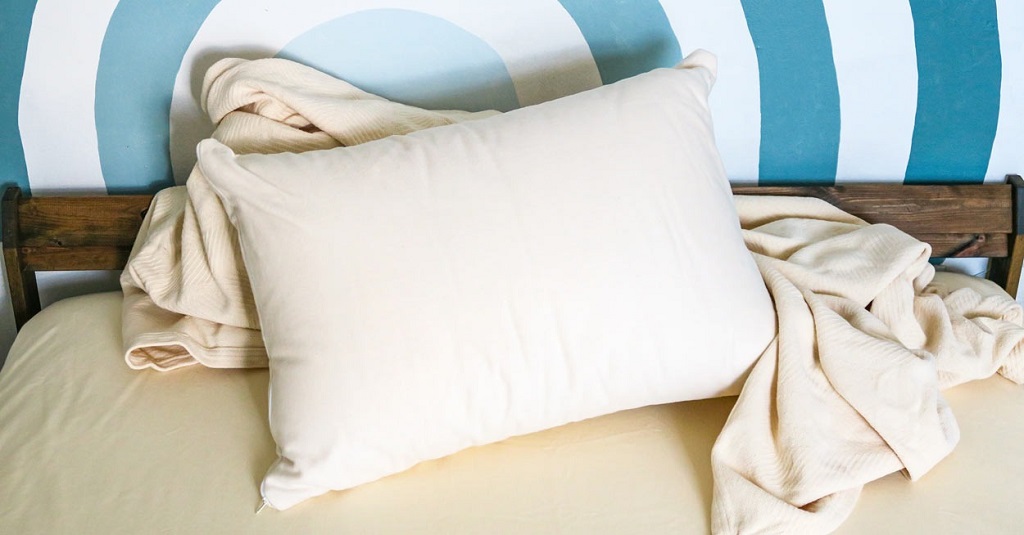
Traditional pillows are typically made from polyester, polyurethane foam, or down. Each of these materials comes with environmental and ethical drawbacks. For example, polyester production generates around 706 billion kilograms of greenhouse gases annually, according to Earth.org. Polyurethane, used in memory foam, emits volatile organic compounds (VOCs) that can trigger respiratory issues. Down pillows, while natural, raise ethical concerns around animal welfare and allergen exposure.
Additionally, most conventional pillows are not biodegradable. They often end up in landfills, taking hundreds of years to break down. According to the EPA, Americans throw away over 18 million pillows annually. That’s a staggering amount of waste for a single sleep accessory.
What Makes a Pillow “Sustainable” or “Organic”?
Sustainable and organic pillows differ from conventional ones in their raw materials, ethical sourcing, and production standards. They often feature organic cotton, natural latex, wool, buckwheat hulls, or kapok fiber. These materials are renewable, biodegradable, and typically produced with minimal chemical intervention.
True organic pillows are certified by organizations like GOTS (Global Organic Textile Standard) and GOLS (Global Organic Latex Standard). These certifications ensure that the materials are farmed without synthetic pesticides or harmful chemicals and that workers are treated ethically.
Top Green Choices Reviewed
Here are the top-rated sustainable and organic pillows that balance comfort, support, and eco-conscious manufacturing.
-
Avocado Green Pillow
Material: Organic latex and organic kapok
Certifications: GOTS, GOLS, GREENGUARD Gold
Avocado’s pillow is fully adjustable and made with shredded GOLS-certified latex and GOTS-certified kapok. It’s wrapped in a soft organic cotton cover and comes with extra fill for custom firmness. The company is carbon negative and supports reforestation efforts.
Why It Stands Out: It’s firm yet breathable, and ideal for eco-conscious back or side sleepers. Plus, it’s completely biodegradable.
Price: Around $109
-
Coyuchi Organic Latex Pillow
Material: Organic latex, organic cotton cover
Certifications: GOLS, GOTS
Coyuchi crafts luxury organic bedding with a strong emphasis on sustainable practices. Their pillow offers medium support and superior durability thanks to molded latex. It’s especially popular among combination sleepers.
Why It Stands Out: Hypoallergenic and moisture-wicking, it offers a cleaner, cooler sleep.
Price: Around $128
-
Saatva Latex Pillow
Material: Talalay latex, organic cotton cover, down-like microdenier fiber
Certifications: OEKO-TEX Standard 100
Saatva’s option is a blend of luxurious comfort and responsive support. The inner core is shredded latex for resilience, surrounded by a soft, plush outer pillow. Ideal for people who want the feel of down but prefer sustainable materials.
Why It Stands Out: Offers both plushness and firmness, excellent for neck pain relief.
Price: Around $165
-
Bean Products Buckwheat Pillow
Material: Buckwheat hulls, organic cotton
Certifications: Handmade, sustainable sourcing
This pillow uses natural buckwheat hulls that conform to the shape of your head and neck. While they’re firmer and heavier, buckwheat pillows are praised for excellent airflow and spinal alignment.
Why It Stands Out: Fully biodegradable, highly supportive, and incredibly long-lasting—some users report 10+ years of use.
Price: Around $70
-
Naturepedic Organic Solid Latex Pillow
Material: GOLS-certified organic latex, organic cotton
Certifications: GOTS, GOLS, MADE SAFE
Naturepedic delivers on every front: safety, sustainability, and comfort. This pillow features solid latex for consistent support and is ideal for stomach and back sleepers.
Why It Stands Out: Zero synthetic foams or chemicals—just clean, safe materials.
Price: Around $129
Are Green Pillows Really Worth the Cost?
On average, sustainable pillows cost between $90 and $150, noticeably more than their synthetic counterparts. However, they offer long-term value. Not only do they last longer, but they also reduce exposure to allergens and chemicals. Over time, this may help alleviate respiratory issues and skin sensitivities.
In a recent survey from The Sleep Foundation, 72% of users with organic bedding reported improved sleep quality, citing reduced irritation and more breathability. Additionally, sustainable pillows are often refillable or compostable, reducing waste and replacement costs.
Featured Snippet:
What is the best material for an organic pillow?
The best material depends on your sleep style and needs. For example, organic latex offers strong support and bounce, making it ideal for back or side sleepers. Kapok is soft and fluffy, resembling down but sourced from tree fibers. It suits stomach sleepers or those seeking a plush feel. Buckwheat hulls conform to your neck and are great for spinal alignment, especially for people with neck pain. Choose based on comfort, firmness level, and allergies. Always look for GOTS or GOLS certifications to ensure authenticity.
Expert Tips for Choosing the Right Organic Pillow
- Match the fill to your sleep position. Side sleepers usually need firmer fills like latex or buckwheat. Stomach sleepers do better with soft kapok or cotton.
- Check for third-party certifications. GOTS and GOLS are gold standards. Avoid greenwashing.
- Go adjustable when possible. Refillable designs allow you to fine-tune loft and firmness.
- Washability matters. Choose options with removable, washable organic covers.
- Test the return policy. Many eco-brands offer 30–100 night trials.
Real-World Example
Take Jessica L., a Los Angeles-based yoga instructor. After switching to a buckwheat pillow, her chronic neck pain decreased. She also appreciated the fact that her pillow came without plastic packaging and was fully compostable at the end of its life. Her story mirrors thousands of others who are making eco-conscious sleep a priority.
FAQs
Are sustainable pillows hypoallergenic?
Yes, many organic materials like latex and kapok naturally resist dust mites and mold.
How long do organic pillows last?
With proper care, they can last 3–10 years, depending on the fill.
Can I compost my organic pillow?
Most organic pillows made from latex, cotton, wool, or buckwheat are compostable or biodegradable.
What certifications should I look for?
GOTS, GOLS, OEKO-TEX, and GREENGUARD are the top trusted eco-certifications.
Do organic pillows sleep cooler?
Yes, materials like latex and buckwheat allow for better airflow, making them naturally cooling.
Are there vegan organic pillows?
Absolutely. Look for options made without wool or animal-based glues—kapok and cotton are great vegan choices.
Where can I buy sustainable pillows?
Top eco-brands like Avocado, Naturepedic, and Saatva sell directly online and often include sleep trials.
Read More Also: Breakthrough Pillow Technologies
Final Thought
Sustainable and organic pillows aren’t just a passing trend—they represent a smarter, healthier way to rest. From natural latex to innovative plant-based fills, green pillows provide real benefits without compromising comfort. They’re safer for your body, better for the planet, and designed to last. As awareness grows, more consumers are voting with their wallets, choosing products that align with their values.
If you’re ready to sleep better and live greener, upgrading to a sustainable pillow is one of the simplest, most impactful choices you can make today.
Sources: