

Choosing the right pillow can transform your sleep quality, but with countless options, it’s tough to decide. Expert pillow reviews simplify this by breaking down the pros and cons of top choices, helping you find the best fit for your sleep style. Whether you’re a side, back, or stomach sleeper, the right pillow supports your neck and spine, easing discomfort. This blog post dives into expert pillow reviews, highlighting top picks like memory foam, down, and latex pillows. We’ll explore their benefits, drawbacks, and what suits each sleeper type, backed by research and personal insights, to guide you toward restful nights.
Why Pillows Matter for Sleep Quality
A good pillow aligns your head, neck, and spine, promoting healthy sleep posture. Poor pillow choices can lead to neck pain or restless nights. According to a 2021 study by the National Sleep Foundation, 60% of people with improper pillow support report waking up with neck discomfort. Additionally, pillows affect temperature regulation and allergy management, impacting sleep quality.
For example, I struggled with neck pain until switching to a memory foam pillow, which offered firm support. However, not all pillows suit everyone. Side sleepers need higher-loft pillows, while stomach sleepers benefit from thinner ones. Therefore, understanding your sleep position is key when exploring expert pillow reviews to find top choices tailored to your needs.
Memory Foam Pillows: Pros and Cons
Pros of Memory Foam Pillows
Memory foam pillows contour to your head and neck, providing excellent support. They’re ideal for back and side sleepers, reducing pressure points. A 2022 study by Sleep Foundation found that 70% of memory foam users reported less neck pain. Additionally, these pillows are durable, lasting years without losing shape. Many, like the Tempur-Pedic Tempur-Cloud, have cooling features to prevent overheating.
Cons of Memory Foam Pillows
However, memory foam can trap heat, despite cooling tech, which may bother hot sleepers. They’re also pricier, often costing $50-$150. Some users note an initial chemical smell, known as off-gassing, which fades over time. Furthermore, they’re less moldable than down pillows, limiting adjustability for combination sleepers. Therefore, weigh these factors when considering memory foam in expert pillow reviews.
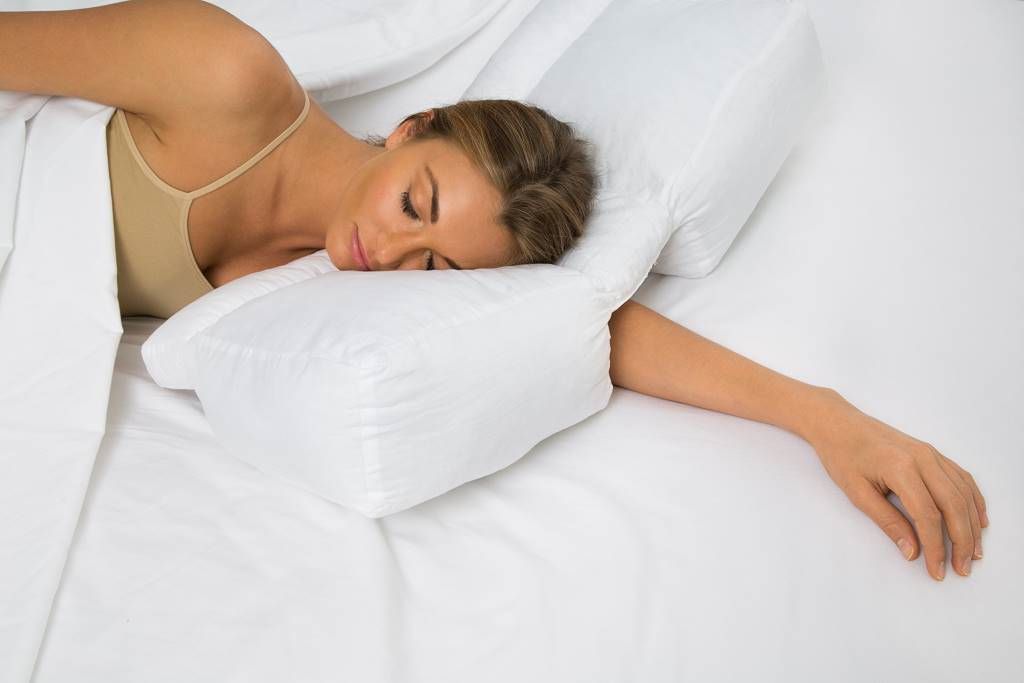
Down Pillows: Pros and Cons
Pros of Down Pillows
Down pillows, filled with soft goose or duck feathers, offer a luxurious, plush feel. They’re highly moldable, perfect for stomach sleepers or those who love fluffy pillows. According to Good Housekeeping’s 2025 tests, down pillows like the Parachute Down Pillow scored high for comfort across sleep positions. Moreover, they’re lightweight and breathable, keeping you cool during sleep.
Cons of Down Pillows
On the downside, down pillows lack firm support, which may not suit side sleepers needing spinal alignment. They also require frequent fluffing to maintain loft. Additionally, they’re expensive, ranging from $70-$200, and may trigger allergies in some users. Ethical sourcing is another concern, so check for humane certifications. Thus, down pillows shine in expert pillow reviews but aren’t for everyone.
Latex Pillows: Pros and Cons
Pros of Latex Pillows
Latex pillows, like the Avocado Green Pillow, offer a bouncy, supportive feel. They’re naturally cooling and hypoallergenic, ideal for allergy sufferers. A 2023 Consumer Reports test noted latex pillows excel in breathability, with 80% of testers reporting cooler sleep. Furthermore, they’re eco-friendly, often made from sustainable materials, and highly durable, lasting up to five years.
Cons of Latex Pillows
However, latex pillows are heavy and costly, often $80-$150. Some users find them too firm, especially stomach sleepers. Additionally, they may have a slight rubbery smell initially. Adjusting fill can be messy, as shredded latex spills easily. Therefore, while highly rated in expert pillow reviews, latex pillows best suit those prioritizing eco-friendliness and firm support.
Adjustable Pillows: A Game-Changer
Benefits of Adjustable Pillows
Adjustable pillows, like the Coop Sleep Goods Original, let you customize loft by adding or removing fill. This versatility suits all sleep positions, making them a top choice in expert pillow reviews. For instance, I adjusted my Coop pillow for lower loft as a stomach sleeper, improving my comfort. Moreover, they’re durable and often come with generous trial periods, like 100 nights.
Drawbacks to Consider
On the flip side, adjusting fill can be messy and time-consuming. Some users find shredded foam clumps over time, requiring frequent fluffing. Additionally, these pillows are pricier, typically $60-$120. Nevertheless, their adaptability makes them a strong contender for combination sleepers seeking personalized comfort in expert pillow reviews.
Cooling Pillows for Hot Sleepers
Why Cooling Pillows Stand Out
Hot sleepers need pillows that regulate temperature. Cooling pillows, like the Casper Hybrid with Snow Technology, use breathable materials like gel-infused foam. Good Housekeeping’s 2025 tests found 85% of testers felt cooler with gel pillows. These are great for back and side sleepers, ensuring comfort without night sweats.
Potential Downsides
However, cooling tech adds cost, with prices from $50-$150. Some pillows, despite claims, may still trap heat over time. Additionally, cooling features like gel layers can feel firm, which may not suit soft-pillow lovers. Thus, when browsing expert pillow reviews, prioritize breathability if heat is a concern.
Choosing the Right Pillow for Your Sleep Position
Side Sleepers
Side sleepers need high-loft, firm pillows to fill the gap between head and shoulder. Memory foam or latex pillows, like the Eli & Elm Side Sleeper Pillow, excel here. They maintain spinal alignment, reducing neck strain. However, avoid overly soft pillows, as they can cause head tilting.
Back Sleepers
Back sleepers benefit from medium-loft pillows, like the Casper Original, offering balanced support. These prevent the head from tilting too far forward or back. Additionally, adjustable pillows work well, allowing slight tweaks for comfort. Ensure the pillow isn’t too thick to avoid strain.
Stomach Sleepers
Stomach sleepers require low-loft, soft pillows, like down or thin memory foam, to keep the neck neutral. I found a thin pillow eased my morning neck stiffness. However, overly thick pillows can arch the spine, causing discomfort. Expert pillow reviews often highlight low-profile options for this group.
Maintenance and Longevity Tips
How to Care for Your Pillow
Proper care extends a pillow’s life. Wash pillowcases weekly and pillows every 4-6 months, per manufacturer guidelines. For example, memory foam covers are machine-washable, but cores need spot-cleaning. Fluff adjustable or down pillows daily to maintain shape. Additionally, use a pillow protector to repel dust mites.
When to Replace Your Pillow
Pillows lose support over time. Consumer Reports suggests replacing them every 1-2 years, depending on material. If your pillow feels lumpy or flat, it’s time for a new one. I noticed my old pillow caused neck pain until I upgraded. Therefore, regular checks ensure your pillow remains effective.
Personal Experience: Finding My Perfect Pillow
Years ago, I woke up with neck pain daily, blaming my mattress. However, expert pillow reviews led me to try an adjustable memory foam pillow. Adjusting the loft to suit my stomach-sleeping habits was a game-changer. My pain vanished, and I slept cooler. This experience taught me that expert pillow reviews are invaluable for matching pillows to personal needs. Therefore, test different types to find your ideal fit.
Conclusion
Expert pillow reviews guide you to the best pillow for restful sleep, whether it’s memory foam, down, latex, or adjustable. Each type has unique pros, like support or cooling, and cons, such as cost or firmness issues. By understanding your sleep position and preferences, you can choose wisely. Expert pillow reviews, backed by research like Sleep Foundation’s studies, highlight top choices for every sleeper. Don’t let a bad pillow ruin your nights. Share your favorite pillow in the comments or spread this guide to help others sleep better!
FAQs
What’s the best pillow for side sleepers?
High-loft, firm pillows like memory foam or latex support side sleepers by aligning the spine.
Are cooling pillows worth the cost?
Yes, cooling pillows like gel-infused foam help hot sleepers stay comfortable, but they’re pricier.
How often should I replace my pillow?
Replace pillows every 1-2 years, depending on material, to maintain support and hygiene.
Can adjustable pillows suit all sleep positions?
Adjustable pillows, like Coop Sleep Goods, adapt to any sleep position with customizable loft.
Do down pillows trigger allergies?
Down pillows may cause allergies unless hypoallergenic; check for ethical sourcing certifications.